


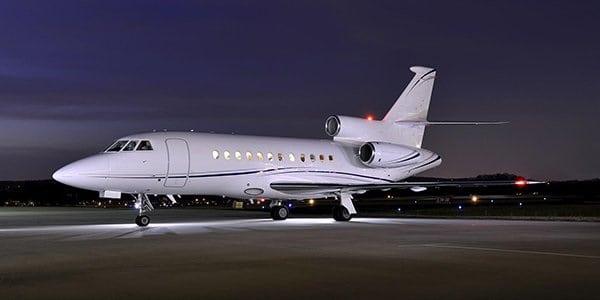
Becoming a private jet pilot is a prestigious career choice that combines passion for aviation with the opportunity to operate sophisticated aircraft. Whether you aspire to fly business executives, celebrities, or private clients, the path to becoming a private jet pilot requires significant training, experience, and a set of specialized skills. Private jet pilots are responsible for ensuring the safety, comfort, and satisfaction of passengers while adhering to strict aviation regulations. In this guide, we will explore how to get started with private jet pilot training, covering the qualifications, steps involved, and key factors to consider when pursuing this exciting and rewarding career.
Understanding the Role of a Private Jet Pilot
Before embarking on the journey to become a private jet pilot, it’s essential to understand the role and responsibilities of the profession. Private jet pilots fly a wide range of private aircraft, ranging from small, light jets to larger, more advanced models. The job involves ensuring the safety of passengers, managing the aircraft during takeoff, cruising, and landing, and making crucial decisions in high-pressure situations. Private jet pilots may work for corporate flight departments, private clients, or charter companies, and they must adhere to regulations that govern aviation operations.
Unlike commercial airline pilots, private jet pilots are responsible for a more personalized flying experience, which often means greater attention to detail, flexibility, and customer service. The work environment can be challenging, as pilots must navigate unpredictable weather conditions, tight schedules, and varying passenger needs. However, the rewards can be substantial, both in terms of career satisfaction and financial compensation.
Essential Qualifications for Becoming a Private Jet Pilot
To get started with private jet pilot training, it’s essential to first meet the basic qualifications required by aviation authorities. While the specific requirements may vary slightly by country, the foundational qualifications for becoming a private jet pilot are similar across the globe. Here are the key qualifications you need to meet:
- Age Requirement: In most countries, you must be at least 17 years old to obtain a Private Pilot Certificate (PPL), and 18 years old to earn a Commercial Pilot Certificate (CPL).
- Language Proficiency: Since English is the international language of aviation, you must be proficient in speaking, reading, and writing in English. This proficiency is essential for communicating with air traffic control, reading flight manuals, and understanding aviation regulations.
- Medical Certification: Pilots are required to undergo a medical examination by an authorized aviation medical examiner. Depending on the level of certification you’re pursuing, you will need either a first-class or second-class medical certificate. This exam ensures you are physically and mentally fit to operate an aircraft safely.
- Education Requirements: While a formal college education is not mandatory, many aspiring pilots choose to pursue a degree in aviation, aerospace engineering, or a related field. This can provide you with a deeper understanding of aviation principles and improve your career prospects.
- Flight School Enrollment: To begin training, you must enroll in a flight school that is accredited by the relevant aviation authority, such as the Federal Aviation Administration (FAA) in the United States or the European Union Aviation Safety Agency (EASA) in Europe.
Step-by-Step Process for Starting Private Jet Pilot Training
The path to becoming a private jet pilot involves several important steps, each of which builds on the previous one. Let’s break down the process from the very beginning.
Step 1: Obtain Your Private Pilot Certificate (PPL)
The first step toward becoming a private jet pilot is to earn a Private Pilot Certificate (PPL), which is the basic certification that allows you to fly small, single-engine aircraft. While the PPL does not permit you to fly commercially, it is a necessary prerequisite for more advanced certifications. Here’s what you need to do to earn your PPL:
- Enroll in a Flight School: Choose a flight school that is accredited by the aviation authority in your country. A flight school will provide both ground school (classroom instruction) and flight training (hands-on flying experience).
- Complete Ground School: In ground school, you will learn the theoretical aspects of flying, including aviation regulations, air traffic control procedures, navigation, meteorology, and aircraft systems. This knowledge is critical for safe flight operations.
- Flight Training: During flight training, you will log a minimum of 40 hours of flight time, which includes both dual instruction (with an instructor) and solo flying. This training will cover basic flight maneuvers such as takeoff, landing, and performing turns, as well as emergency procedures.
- Pass the Written Exam: After completing ground school, you will need to pass a written knowledge test that covers topics such as flight rules, navigation, and aircraft operation.
- Complete the Check Ride: A check ride is a practical test in which an examiner will evaluate your ability to operate an aircraft safely. You will be required to demonstrate your flight skills, including performing maneuvers and responding to emergency situations.
After earning your PPL, you will be eligible to fly small, single-engine aircraft for personal purposes, but you will need further training to operate private jets.
Step 2: Gain Flight Experience and Hours
After obtaining your PPL, you will need to accumulate more flight experience in order to qualify for advanced certifications. Private jet pilots need a higher level of flight experience to operate more complex aircraft safely. You can build flight hours by:
- Flying as a Private Pilot: Continue flying single-engine aircraft for personal use or as a flight instructor to gain experience.
- Working in General Aviation: Many pilots gain additional flight hours by working in general aviation, flying small planes for purposes such as sightseeing tours, aerial photography, or cargo transport.
- Pilot-in-Command (PIC) Hours: As you accumulate hours, it’s important to log hours as Pilot-in-Command (PIC), meaning you are the primary pilot responsible for the aircraft’s operation. This is essential for progressing to commercial flying.
For commercial certification, most pilots need a minimum of 250 flight hours. However, the more hours you log, the more proficient you will become as a pilot.
Step 3: Earn Your Instrument Rating (IR)
An Instrument Rating (IR) is crucial for private jet pilots because it allows them to fly in a wider range of weather conditions, including low visibility situations such as fog or heavy rain. The instrument rating is an essential qualification for private jet pilots, as it expands your ability to operate safely in different environments. Here’s how to get an IR:
- Complete Instrument Training: Instrument training builds on the skills you acquired during your PPL training. You will learn to fly using only the aircraft’s instruments, rather than relying on visual cues.
- Log Flight Hours: You will need to log additional flight hours as part of your instrument training, including time in actual instrument conditions (flying in low visibility) and simulated instrument conditions (flying with a hood that limits visibility).
- Pass the Written Exam: The written exam for an instrument rating tests your knowledge of instrument flight rules (IFR), navigation, and meteorology.
- Complete the Check Ride: The check ride for the IR tests your ability to safely fly using only instruments, including performing approaches and other maneuvers in low-visibility conditions.
Step 4: Obtain Your Commercial Pilot Certificate (CPL)
The next step in your training to become a private jet pilot is to earn your Commercial Pilot Certificate (CPL). This certification allows you to be compensated for flying, which is a requirement for flying private jets. To earn your CPL, you will need to:
- Complete CPL Training: This training covers more advanced flight maneuvers, multi-engine operations, and commercial aviation regulations. It is a more in-depth training program than the PPL training.
- Log Additional Flight Hours: The FAA, for example, requires you to log at least 250 flight hours to qualify for a CPL. These hours should include time as Pilot-in-Command (PIC) and in various flight conditions.
- Pass the Written Exam: The CPL written exam covers advanced aviation topics, including aircraft systems, performance calculations, and commercial flight rules.
- Complete the Check Ride: During the check ride, an examiner will assess your ability to operate more complex aircraft and handle commercial flight scenarios, including multi-engine operations and emergency procedures.
With a CPL, you will be eligible to be paid for flying, and you will have the qualifications to operate more complex aircraft, such as private jets.
Step 5: Obtain Type Ratings for Specific Aircraft
Private jet pilots are required to have a type rating for each specific jet they fly. A type rating is an additional certification that ensures you are qualified to operate a particular aircraft model. The process for obtaining a type rating involves:
- Training for the Specific Jet Model: Each private jet model has its own unique characteristics, including performance, systems, and emergency procedures. Type rating training involves both classroom instruction and flight time in the specific aircraft.
- Log Flight Hours: You will need to log hours in the specific private jet model to gain hands-on experience with its systems and performance characteristics.
- Pass the Check Ride: The check ride for a type rating tests your ability to operate the specific jet model safely. You will demonstrate your proficiency in handling the aircraft’s systems, including performing takeoffs, landings, and emergency procedures.
Type ratings are essential for private jet pilots, as they ensure that you are qualified to operate specific aircraft models safely.
Conclusion
Becoming a private jet pilot is a highly rewarding journey that requires dedication, training, and a commitment to excellence. The path to becoming a private jet pilot involves obtaining foundational certifications, accumulating flight experience, and acquiring specialized ratings for instrument flying and specific jet models. Along the way, you will develop the technical skills
, knowledge, and customer service expertise necessary to operate private jets safely and efficiently. By following these steps and continuing to build on your qualifications, you can embark on a successful and fulfilling career as a private jet pilot, enjoying the thrill of flying sophisticated aircraft and providing exceptional service to your passengers.


