


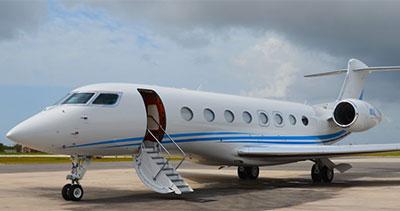
Owning and operating a private jet offers numerous benefits, but it also brings with it a complex and ever-evolving landscape of tax liabilities. To manage these liabilities effectively, jet owners must understand the various tax regulations, strategies, and structures available. The legal management of private jet tax liabilities can significantly impact your overall financial performance, ensuring that you optimize deductions and minimize potential liabilities, all while staying compliant with federal, state, and international laws.
In this article, we will explore the creative strategies that jet owners can employ to legally manage their tax liabilities, and how to implement them for long-term success. We will cover key areas, including ownership structures, deductions, depreciation methods, and international tax considerations that are essential for optimizing your private jet investment. Whether you use your jet for business, leisure, or a combination of both, these strategies will ensure that you navigate the tax complexities with confidence.
Understanding Private Jet Tax Liabilities
The first step to managing private jet tax liabilities is understanding the core components of how they work. The IRS treats private jets as both personal and business property, which opens the door to various deductions related to the operation, maintenance, and ownership of the aircraft. However, the fine line between business and personal use must be carefully maintained. The IRS is clear about how much of your private jet expenses can be deducted based on the proportion of business use.
The general tax rule for private jets is that if the jet is used for business purposes, a portion of the expenses can be deducted. This includes costs related to fuel, maintenance, insurance, hangar rental, and even crew salaries. However, if the aircraft is used for personal travel, those expenses may not be deductible, unless certain exceptions apply. Understanding these rules and tracking how much the jet is used for business versus personal purposes is critical for minimizing tax liabilities.
One of the most significant benefits for jet owners is the ability to depreciate the cost of the jet, which can significantly reduce your tax bill over time. Depreciation is a method of allocating the purchase cost of an asset over its useful life, which allows owners to deduct a portion of the aircraft’s value each year. The rules governing depreciation are complex, and maximizing these deductions requires a strategic approach that accounts for both business use and the type of aircraft owned.
Ownership Structures: Choosing the Best Model to Minimize Tax Liabilities
The structure through which you own your private jet has a major impact on your ability to manage tax liabilities. In 2025, there are several ownership models available to private jet owners, each offering its own set of tax advantages and requirements. Selecting the right structure is essential for minimizing your overall tax burden and ensuring that you comply with all relevant tax laws.
Individual Ownership: Simplicity and Direct Control
One of the most common ownership structures is individual ownership, where the jet is owned directly by the individual. This structure provides the owner with complete control over the aircraft, as well as the ability to make decisions regarding its use. However, the tax benefits of individual ownership are somewhat limited unless the jet is used primarily for business purposes.
Under individual ownership, the owner can claim deductions for certain expenses, such as fuel, maintenance, and insurance. Additionally, depreciation can be claimed over a period of years under the MACRS (Modified Accelerated Cost Recovery System) guidelines. However, to maximize deductions, the jet must be used for business purposes for a significant portion of the time. The more the jet is used for personal purposes, the less benefit you will gain from tax deductions.
This ownership structure is most beneficial for individuals who plan to use the jet for personal leisure but occasionally use it for business purposes. If the balance between personal and business use is substantial, this model might offer some degree of tax relief, but for those with more frequent business use, other ownership models may be more advantageous.
Corporate Ownership: Expanding Deduction Opportunities for Business Use
For business owners who wish to use their private jet for corporate purposes, corporate ownership is often the preferred structure. Under this model, the company owns the aircraft, and it can take advantage of a broader range of tax deductions. These include expenses related to maintenance, fuel, insurance, and even the crew who operate the jet. If the jet is used primarily for business travel—such as attending meetings, transporting executives, or other corporate functions—the company can claim a much larger portion of the expenses associated with the aircraft.
Corporate ownership also allows the owner to benefit from depreciation under MACRS rules. In many cases, the company can write off a substantial portion of the aircraft’s cost each year, thereby reducing taxable income and ultimately lowering the company’s tax liabilities. For businesses that have regular travel needs, corporate ownership is a highly effective strategy for maximizing deductions.
However, this structure comes with additional complexities, including the need to prove that the aircraft is primarily used for business purposes. In order to avoid paying personal taxes on the use of the jet for leisure purposes, the owner must maintain detailed records of flight usage. Business owners should also ensure that they comply with IRS regulations to avoid triggering audits or penalties.
LLC Ownership: Liability Protection and Flexible Tax Benefits
A growing number of private jet owners are choosing to hold their aircraft through a Limited Liability Company (LLC). An LLC offers the flexibility of both corporate and individual ownership structures while providing legal protection against liability. This is particularly beneficial for high-net-worth individuals and business owners who want to minimize personal risk related to aircraft ownership.
An LLC offers several advantages from a tax perspective. First, the LLC can pass on any profits or losses to its members, allowing them to shift income and reduce tax liabilities. This structure also allows the owners to depreciate the aircraft and deduct operating expenses in a more tax-efficient manner. Additionally, the liability protection offered by an LLC ensures that personal assets remain protected in the event of an accident or legal action.
For those who use their private jet for both business and personal purposes, an LLC offers the ability to allocate expenses based on the percentage of business use. This level of customization makes the LLC structure highly effective for managing tax liabilities in a way that aligns with the owner’s specific needs.
Fractional Ownership: Sharing Costs and Minimizing Liabilities
If full ownership of a private jet isn’t necessary, fractional ownership is another option that can provide tax benefits while minimizing overall liabilities. In a fractional ownership arrangement, multiple parties share the cost of purchasing and maintaining the aircraft. Each owner purchases a share of the jet, and in return, they are entitled to use the jet based on their share percentage.
From a tax perspective, fractional ownership allows owners to claim deductions for expenses related to the jet based on their usage share. For example, if an owner has a 25% share in the jet, they are entitled to 25% of the operating expenses and depreciation deductions. This can significantly reduce the overall tax burden compared to full ownership, especially for owners who only need occasional access to a private jet.
However, fractional ownership does require clear agreements among the parties involved regarding the allocation of expenses and the use of the aircraft. Careful management and record-keeping are essential to ensure that each party claims the appropriate tax deductions and that the ownership structure is compliant with IRS regulations.
Depreciation Strategies: Maximizing Deductions
Depreciation is one of the most significant ways to reduce your private jet tax liabilities. The MACRS system allows owners to depreciate the cost of their aircraft over a five-year period, with the potential for bonus depreciation in the first year of purchase. However, owners must ensure that the jet is used for business purposes to claim these deductions. The more business use the jet has, the greater the depreciation benefit.
In 2025, there may be additional opportunities for accelerated depreciation or changes to tax rules governing private aircraft, making it crucial for owners to stay updated on the latest legislation. By strategically planning the depreciation of the aircraft, owners can reduce their overall tax liabilities and preserve capital for other business investments.
International Considerations: Navigating Global Tax Laws
For jet owners who travel internationally, understanding the tax implications of global operations is crucial. Many countries impose VAT (Value Added Tax) or customs duties on private jets, which can result in significant tax liabilities. These international taxes can vary greatly by jurisdiction, and failing to comply with the rules can result in fines or additional costs.
To manage these international tax liabilities, private jet owners should consult with international tax advisors to ensure compliance with global aviation taxes. Some countries may offer tax exemptions or reductions for certain types of aircraft usage, and it’s important to understand these nuances to minimize costs.
Conclusion: Creative Strategies for Managing Private Jet Tax Liabilities
Managing private jet tax liabilities requires a creative and strategic approach that takes into account ownership structure, depreciation, expense deductions, and international considerations. By choosing the right structure—whether it be individual ownership, corporate ownership, or an LLC—owners can optimize their tax benefits while minimizing their liabilities. Additionally, leveraging depreciation strategies and staying up to date on international tax laws will ensure that private jet owners maintain compliance and reduce their overall financial burden.
By utilizing these strategies, jet owners can enjoy the benefits of private aviation without being burdened by excessive tax liabilities, ensuring long-term financial success and peace of mind.


