


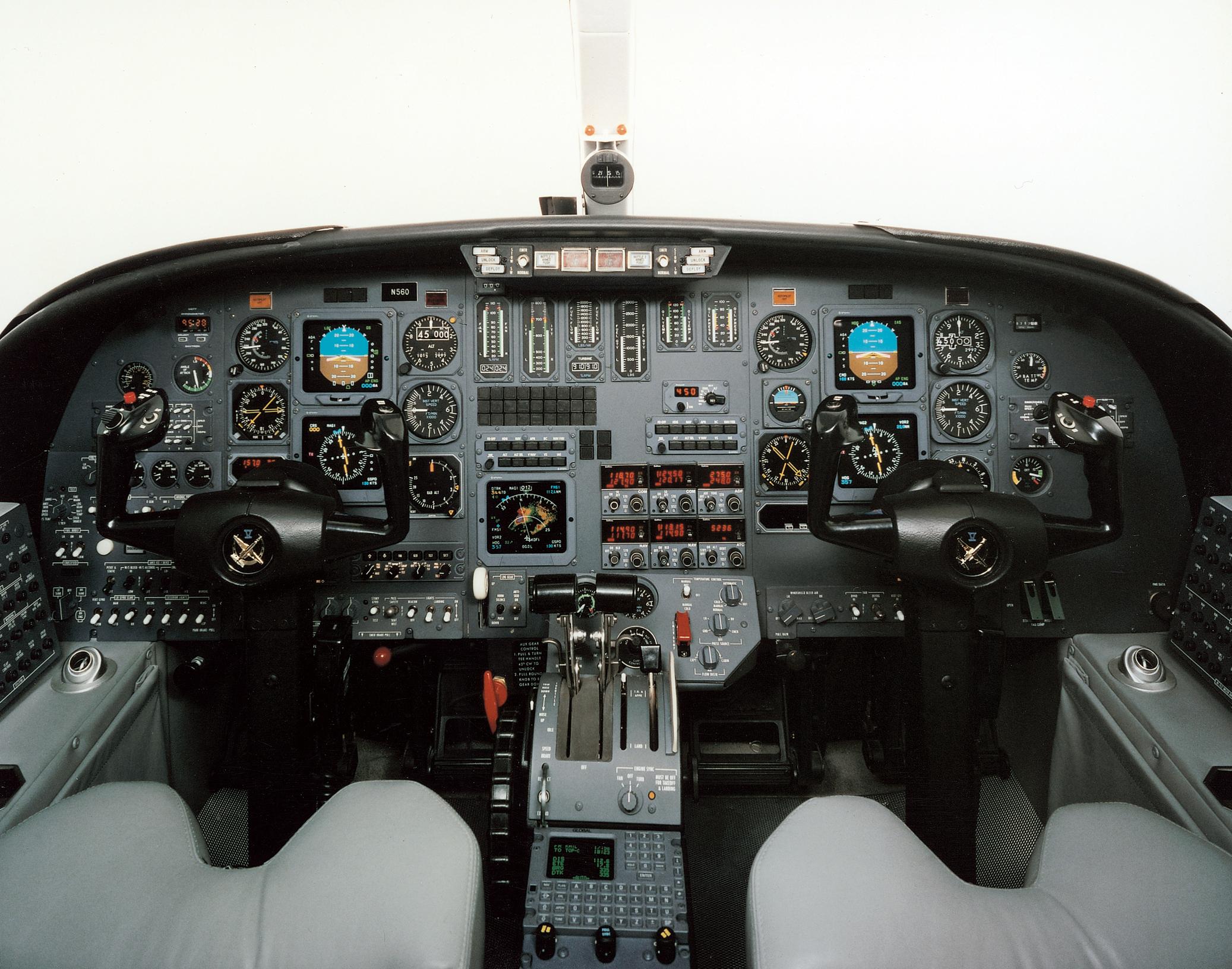
Private jet ownership offers unparalleled freedom and luxury, but with it comes an intricate web of tax reporting requirements that owners must navigate. From documenting business use to complying with tax codes, understanding how to legally report the taxation of private jets is crucial for avoiding costly penalties and ensuring compliance with both federal and state tax laws.
In this guide, we will explore the key aspects of private jet tax reporting, offering creative legal strategies to ensure you meet all the necessary requirements. Whether you’re a high-net-worth individual or a corporate entity, managing your jet’s tax obligations can be complex—but with the right strategies in place, you can legally optimize your tax position while minimizing liabilities.
1. The Importance of Accurate Tax Reporting for Private Jets
Owning a private jet comes with significant tax responsibilities, and tax reporting is a crucial aspect of managing your ownership efficiently. Incorrect reporting or failure to comply with tax laws can result in fines, interest, or audits, leading to financial repercussions that can easily outweigh the costs of ensuring proper compliance.
Private jet owners need to accurately report income and expenses associated with the aircraft, including costs related to operating, maintaining, and leasing the jet, as well as understanding the tax implications of depreciation and business use.
2. Tax Reporting Requirements for Aircraft Ownership
Depending on how the private jet is used—whether for personal or business purposes—owners must report various tax-related aspects, such as aircraft purchase and sale, depreciation, expenses, and business deductions. Let’s break down some of the key components of private jet tax reporting.
Aircraft Purchase Reporting
When you acquire a private jet, reporting the transaction accurately is crucial. In the United States, this involves sales tax considerations, which vary by state, as well as the Form 4562 for depreciation. If you purchase a jet through an LLC, corporation, or trust, this entity structure must also be reflected in your tax filings.
Additionally, if the jet is purchased for business use, owners may be eligible for Section 179 deductions, which allow a substantial portion of the aircraft’s purchase price to be deducted in the first year. This must be clearly outlined in the tax filings to ensure compliance.
Creative Strategy: For owners purchasing a jet primarily for business purposes, ensure you file the appropriate deductions and indicate your business intent on the purchase. Use Form 4562 to claim depreciation and consider structuring ownership through a corporate entity or LLC for additional tax efficiency.
Depreciation Reporting
As one of the most significant tax benefits of private jet ownership, depreciation allows owners to write off the value of the aircraft over a set period of time. For business jets, the depreciation period is typically seven years under MACRS (Modified Accelerated Cost Recovery System). Owners can claim annual depreciation deductions on their tax filings to reduce taxable income.
For Section 179 deductions, which offer immediate deductions on the aircraft’s purchase cost, reporting becomes essential. It’s critical to maintain detailed records of the aircraft’s use and confirm that it qualifies for these deductions. The percentage of business use versus personal use will also determine the amount of depreciation that can be claimed.
Creative Strategy: To ensure that you’re claiming depreciation correctly, keep comprehensive logs of business vs. personal use and flight hours. Use the MACRS system to calculate depreciation and ensure that the deductions reflect your ownership structure and the aircraft’s use.
Ongoing Reporting of Operational Expenses
For owners using their private jets for business purposes, operational expenses such as fuel, maintenance, pilot salaries, insurance, and hangar fees can be deducted. However, reporting these expenses requires detailed documentation and proper categorization to ensure they are only associated with business use. If the jet is used for both personal and business purposes, expenses must be allocated based on the percentage of business use.
Creative Strategy: Keep precise records of each flight’s purpose, detailing business trips, meetings, and work-related travel. Document all expense receipts and make a clear distinction between personal and business expenses for tax reporting purposes.
3. Navigating State and Federal Tax Compliance
While federal tax laws provide a general framework for aircraft taxation, state and local tax rules can vary significantly, especially regarding sales tax and property tax. Understanding the specific state tax codes where your private jet is based is essential for ensuring you are not overpaying or underreporting your tax obligations.
Sales Tax and Use Tax Considerations
As mentioned earlier, different states impose varying sales tax rates on private jet purchases. Some states, like Florida, Nevada, and Texas, offer exemptions for jets used in business operations, while others may impose higher tax rates for aircraft acquisitions. Jet owners should be aware of these differences and structure their purchases accordingly.
Additionally, some states may charge use tax on aircraft that are flown into the state, even if they are not based there year-round. Understanding the tax nexus and how to report out-of-state jets can help you avoid unexpected tax liabilities.
Creative Strategy: Before purchasing a jet, consult with a tax advisor to determine the best state tax jurisdiction for your needs. If you’re planning to operate the jet in multiple states, ensure that you comply with use tax rules to prevent surprises during audits.
Property Tax Reporting
Certain states and local jurisdictions may assess property tax on private jets. These taxes can be based on the aircraft’s value and its location within the jurisdiction. Owners must report their aircraft’s location regularly and comply with local property tax assessments.
Some jurisdictions may offer exemptions if the aircraft is used for commercial purposes or is based in a tax-friendly location. For example, Wyoming and Montana are known for their favorable tax environments for aircraft ownership. By structuring the ownership of your jet in such jurisdictions, you may be able to reduce your annual property tax liabilities.
Creative Strategy: If your private jet is subject to property tax, consider establishing a corporate entity in a tax-friendly state or jurisdiction to reduce or eliminate these costs. Stay on top of local reporting requirements to ensure you’re not inadvertently overpaying.
4. International Tax Reporting for Cross-Border Jet Use
As private jets frequently operate across borders, owners must also be aware of the international tax implications of their aircraft. While the U.S. federal government governs private jet taxation domestically, international aviation taxes can add complexity, particularly for owners who frequently fly to foreign destinations.
VAT on International Flights
In the European Union and other regions, Value-Added Tax (VAT) applies to the purchase and operation of private jets. However, VAT refunds may be available if the aircraft is used primarily for international flights or business purposes. The process of claiming VAT refunds requires detailed documentation of the aircraft’s international travel routes and business use.
Moreover, various countries have different tax treaties with the United States, which may impact the amount of tax paid on aircraft purchases or operational expenses. Owners who operate jets internationally must understand how these treaties affect their tax obligations.
Creative Strategy: Consider structuring your aircraft purchase through an entity in a tax-efficient jurisdiction to benefit from VAT exemptions or refunds. Keep detailed flight logs to support your VAT refund claims and ensure compliance with international tax laws.
5. Handling Audits and Tax Reviews
Given the high value of private jets and the potential for complex tax deductions, owners may be subject to audits or tax reviews. An audit can be a stressful and time-consuming process, but being well-prepared and maintaining accurate records can make the process smoother and more efficient.
When an audit is conducted, the tax authorities will focus on verifying the legitimacy of business use deductions, depreciation claims, and the accuracy of operational expense reporting. Having a comprehensive record-keeping system in place will help substantiate your claims and minimize any risk of penalties.
Creative Strategy: Invest in an audit-friendly record-keeping system that tracks all relevant documents, flight logs, and expense receipts. Use software or hire professionals to help manage and organize your tax filings and business records.
6. Leveraging Professional Guidance for Tax Reporting
Due to the complexity of private jet taxation, it is often advisable to seek professional advice from tax experts specializing in aviation law. These professionals can help you navigate the intricacies of tax compliance, advise on business use deductions, and ensure that your ownership structure is optimized for tax efficiency.
In addition, an aviation tax advisor can help you plan for future tax changes, track evolving tax laws, and implement strategies to minimize risks. Whether you’re dealing with state taxes, federal tax codes, or international tax regulations, a specialized consultant can provide invaluable insight into how to legally navigate the reporting process.
Creative Strategy: Collaborate with a tax advisor experienced in aviation law to review your ownership structure, ensure compliance with reporting requirements, and develop a strategy for minimizing tax liabilities.
7. Conclusion: A Strategic Approach to Private Jet Tax Reporting
Navigating the complex world of private jet tax reporting requires a strategic, creative legal approach. By understanding the intricacies of tax deductions, ownership structures, and reporting requirements, owners can minimize their tax liabilities while enjoying the benefits of private aviation.
The key to success lies in maintaining accurate records, staying informed of tax laws, and consulting with experienced professionals who can help you develop a customized plan for tax compliance. Whether you’re flying domestically or internationally, taking a proactive approach to tax reporting ensures that you remain in full compliance and maximize the financial benefits of private jet ownership.


