


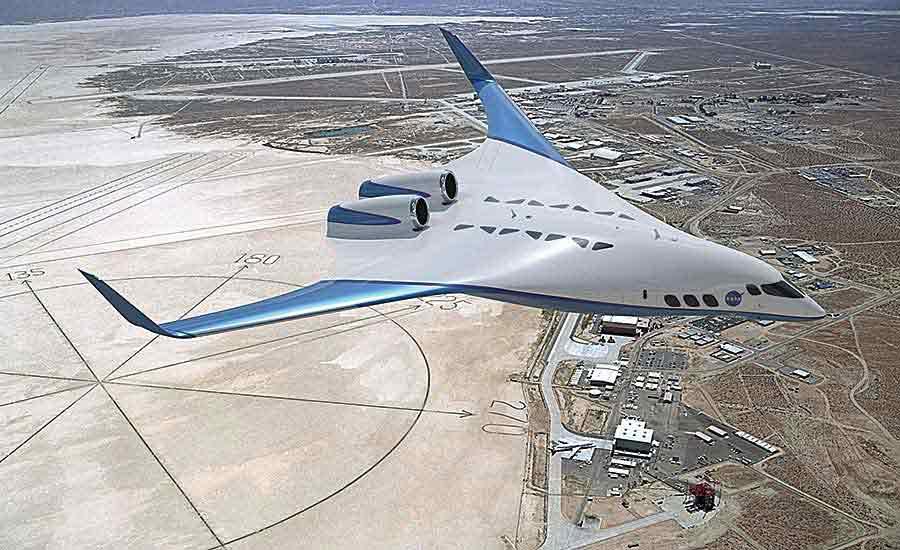
Owning a private jet offers unparalleled freedom, convenience, and luxury. However, it also comes with significant financial responsibility, particularly when it comes to taxes. As with any high-value asset, understanding how to manage tax liabilities is essential for maximizing the value of your investment. A well-crafted legal framework can offer numerous tax-saving opportunities, allowing you to reduce operating costs, take advantage of depreciation, and structure your jet ownership in the most tax-efficient way.
In this guide, we will explore creative and strategic ways to leverage legal frameworks to save on taxes related to private jet ownership. We will discuss various legal structures, tax planning strategies, and compliance measures that can help you optimize your tax benefits while ensuring you remain fully compliant with the law.
- Understanding the Basics of Taxation on Private Jets
Before diving into specific strategies, it is important to understand the basic taxation rules surrounding private jet ownership. The primary taxes that owners face include:
- Sales Tax: The tax paid at the time of purchasing a jet.
- Property Tax: Annual taxes imposed on the value of the jet.
- Fuel Tax: Taxes on aviation fuel used during flights.
- Luxury Tax: Some regions impose additional taxes on high-value items like private jets.
- Income and Business Use Taxation: Business owners may be able to write off certain expenses related to aircraft usage.
A legal framework helps owners navigate these taxes by offering structured ways to reduce taxable income, take advantage of specific deductions, and utilize tax credits.
- Structuring Ownership Through Legal Entities
One of the most effective ways to leverage legal frameworks for tax savings is by structuring ownership of the private jet through a legal entity. This approach can provide significant financial benefits, including potential deductions and liability protection.
- Ownership Through a Corporation or LLC
A popular method of owning a private jet is through a Limited Liability Company (LLC) or a Corporation. By purchasing the jet through a business entity, owners can reduce their personal liability and take advantage of certain tax benefits available to businesses.
- Business Expense Deductions: If the jet is used for business purposes, owners can deduct a portion of the operating expenses, including maintenance, insurance, fuel, and pilot salaries.
- Depreciation: The aircraft can be depreciated over a period of years, which can offset taxable income and reduce overall tax liabilities.
- Liability Protection: Using a corporation or LLC structure shields personal assets from liabilities associated with jet ownership.
When structuring ownership, it is essential to maintain proper documentation that proves the jet is used primarily for business purposes. Without this, tax authorities may disallow business deductions and depreciation claims.
- Using a Trust for Ownership
Another legal structure to consider is the trust, which can provide both tax savings and estate planning benefits. Trusts are especially useful for individuals who wish to transfer ownership to heirs while minimizing estate taxes.
- Tax Efficiency: By holding a private jet in a trust, owners may benefit from specific tax exemptions that apply to family businesses or estates.
- Asset Protection: Trusts also offer asset protection, ensuring that the jet remains shielded from creditors.
- Wealth Transfer: A well-structured trust allows for smooth transfer of ownership to heirs without the burden of estate taxes or probate.
The key to using a trust effectively is to ensure it is structured in a way that complies with tax laws while still achieving the intended financial and estate planning goals.
- Taking Advantage of Depreciation and Bonus Depreciation
Depreciation is a crucial aspect of tax savings for private jet owners. Depreciation allows owners to deduct the cost of the jet over time, effectively reducing the taxable value of the aircraft. However, the tax laws surrounding depreciation can be complex, and bonus depreciation offers even more significant savings opportunities.
- Accelerated Depreciation
Under current tax laws, private jet owners can depreciate the cost of their aircraft over a period of time, typically five to seven years, depending on the jet’s use. This allows for the deduction of a portion of the aircraft’s value each year. Accelerated depreciation methods, such as the Modified Accelerated Cost Recovery System (MACRS), allow for larger deductions in the early years of ownership.
- Tax Savings: By using MACRS or similar accelerated methods, owners can significantly reduce taxable income in the first few years, helping to recover the cost of the jet more quickly.
- Requirements for Business Use: To claim depreciation, the jet must be used for business purposes. This is a critical requirement for tax deductions.
- Bonus Depreciation
A significant opportunity for private jet owners came with the Tax Cuts and Jobs Act (TCJA), which introduced 100% bonus depreciation. Under this law, owners could immediately depreciate the entire cost of a new or used aircraft in the year of purchase, provided the jet was used for business.
- Timing Considerations: Bonus depreciation is scheduled to phase out over the next few years. Owners can still take advantage of this deduction until 2026, at which point the bonus depreciation will gradually decrease.
- Tax Planning: Owners should consider making purchases sooner rather than later to take full advantage of the 100% bonus depreciation before it begins to phase out.
- Maximizing Tax Savings with Business Use
One of the most important considerations for reducing tax liabilities on a private jet is ensuring that the jet is primarily used for business purposes. The tax laws provide significant deductions for aircraft used for business, but they also impose strict requirements to ensure the jet is not used for personal purposes.
- Documenting Business Use
To claim business-related tax deductions and depreciation, jet owners must document the aircraft’s business use. This can include detailed flight logs, a record of business meetings, and the purpose of each flight. Keeping thorough records helps to prove that the jet is being used primarily for business activities, such as:
- Client meetings
- Business travel
- Corporate events
Without this documentation, the IRS or other tax authorities may disallow deductions and force the owner to pay additional taxes.
- Hybrid Use and Personal Use Considerations
For those who use their private jet for both business and personal purposes, it is essential to properly allocate expenses. The IRS requires owners to only deduct the business portion of the aircraft’s usage.
- Pro-rata Allocations: The cost of operating the jet must be allocated between business and personal use. Owners can only deduct expenses that are directly related to business use.
- Potential Audit Risks: If the IRS believes that the aircraft is being used more for personal purposes than business, they may disallow deductions, which can lead to penalties and interest.
- Utilizing Tax Credits and Incentives
In addition to deductions and depreciation, there are several tax credits and incentives that can be leveraged by private jet owners to reduce tax liabilities. These can vary based on location, aircraft type, and usage.
- Tax Credits for Sustainable Aviation
As green aviation becomes a priority for many governments, tax credits and incentives may be available for owners of aircraft that meet environmental standards. For example, tax credits for the purchase of energy-efficient or low-emission aircraft may be available in certain regions.
- State-Specific Incentives
Many states offer tax credits and deductions to encourage businesses to invest in aviation, especially when it involves creating jobs or generating economic activity. Owners of private jets may be able to claim state-specific incentives by leasing the aircraft to companies or individuals in need of charter services.
- Compliance and Risk Management
While leveraging legal frameworks and tax-saving strategies is important, it is equally vital to ensure compliance with all relevant tax laws. Tax authorities are increasingly vigilant about auditing high-net-worth individuals and businesses for potential tax fraud or evasion, particularly in industries like aviation.
- Stay Updated on Tax Law Changes
Tax laws are continuously evolving, and staying updated is essential for maintaining compliance. Engaging with tax professionals who specialize in aviation can help owners remain compliant while still taking advantage of tax-saving opportunities.
- Record Keeping and Transparency
Maintaining accurate and detailed records is crucial for defending against potential audits. Jet owners should keep comprehensive documentation, including flight logs, maintenance records, and business use justification to demonstrate that all tax claims are legitimate.
Conclusion: Achieving Maximum Tax Efficiency Through Legal Frameworks
Leveraging the right legal frameworks for private jet ownership can result in substantial tax savings and a more efficient ownership experience. By structuring ownership through entities like LLCs or corporations, taking advantage of depreciation and bonus depreciation, documenting business use, and utilizing available tax credits, jet owners can significantly reduce their tax liabilities.
However, these strategies require careful planning, meticulous record-keeping, and ongoing legal compliance to ensure success. By working with experienced tax professionals and legal advisors, you can ensure that your private jet remains a valuable asset that delivers both luxury and financial efficiency.


