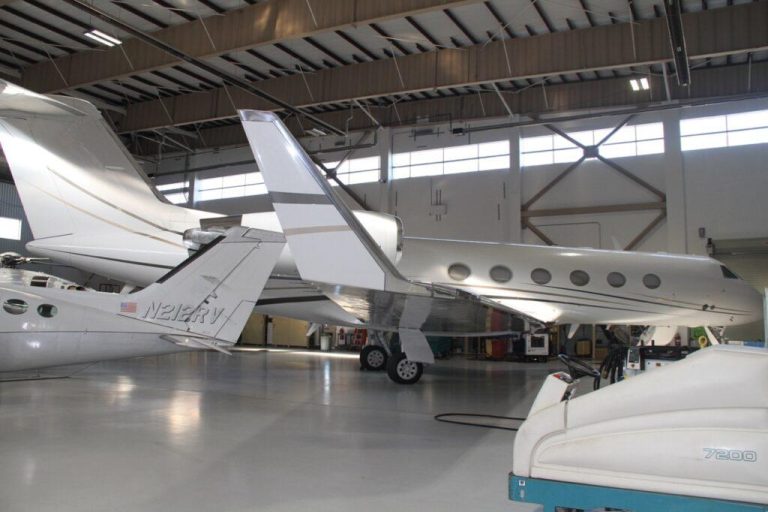
Luxury Travel Private Jet Privatejetia 1
Becoming a private jet pilot is an exciting and prestigious career path, offering an array of opportunities for those passionate about aviation. In Germany, a country renowned for its strong aviation industry, scheduling private jet pilot training involves a series of carefully planned steps. This article will guide you through the entire process, from finding accredited flight schools to obtaining the necessary certifications, all customized to your needs as an aspiring private jet pilot.
- Understanding the Private Jet Pilot Training Process in Germany
Before diving into how to schedule your private jet pilot training, it’s important to understand the process involved in becoming a licensed private jet pilot in Germany. This journey requires significant time, effort, and financial commitment. Private jet pilots are trained to fly aircraft with complex systems, requiring advanced knowledge and skills. As such, training typically includes both theoretical coursework and hands-on flying practice.
Germany’s aviation industry follows the European Union Aviation Safety Agency (EASA) regulations, making it an attractive destination for aspiring pilots from across the world. These regulations ensure that flight training programs are up to international standards, which is crucial for safety and competency in the cockpit.
- Deciding the Type of License You Need
The first step in your training journey is determining the appropriate pilot license. The most common type of license for private jet training is the EASA Private Pilot License (PPL). However, to fly private jets, which are classified as multi-engine aircraft, you may need to pursue additional certifications.
There are several pilot licenses that may be relevant depending on your goals:
- Private Pilot License (PPL): The entry-level license that allows you to fly single-engine aircraft.
- Commercial Pilot License (CPL): This license is necessary if you plan to pursue a career as a professional pilot. It enables you to be paid for flying aircraft.
- Airline Transport Pilot License (ATPL): The highest level of certification for pilots, required for commanding aircraft with more than 9 seats or for becoming a captain of larger aircraft.
- Type Rating for Private Jet: This is a specialized certification for specific aircraft types, including private jets. If you want to fly a specific private jet model, like a Gulfstream or Learjet, you will need a type rating for that aircraft.
In most cases, if you are aiming to become a private jet pilot, you’ll need to pursue at least the PPL and CPL. Additionally, once you have obtained these basic certifications, you will be able to pursue a specific type rating for private jets.
- Researching and Selecting a Flight School in Germany
Germany has several renowned flight schools that offer private jet pilot training, but choosing the right one for your needs is critical. The flight school you select should be accredited by the German authorities and should be equipped to train pilots for multi-engine aircraft. Here’s how you can begin your search:
Consider EASA Accreditation
Ensure that the flight school you are considering is accredited by the European Union Aviation Safety Agency (EASA). This accreditation is essential, as it guarantees that the flight school meets high standards of safety and quality.
Look for Specialized Programs for Private Jet Training
Since you’re interested in private jet training, it’s important to find a school that offers specialized programs or modules for multi-engine aircraft. These programs are designed to teach students how to handle the complexities of flying larger, more sophisticated jets.
Review Instructor Experience
A key factor in choosing a flight school is the quality and experience of the instructors. Look for schools that employ experienced flight instructors with extensive knowledge of private jet aviation. The best instructors are those who not only have significant flight experience but also a deep understanding of the theoretical aspects of aviation.
Check the Fleet of Aircraft
Make sure that the flight school has a fleet of modern, well-maintained aircraft that are suitable for the type of training you need. For private jet training, look for schools that offer access to multi-engine aircraft or even private jets for practice flights. Many flight schools in Germany have partnerships with charter companies or own a fleet of private jets, offering a realistic training experience.
Compare Costs
Pilot training can be expensive, so it’s crucial to compare the costs between different schools. In addition to tuition fees, factor in costs for flight hours, materials, and any additional certifications or ratings you may need. Remember, the cheapest option is not always the best, especially when it comes to aviation training where safety and quality are paramount.
- Understanding the Requirements for Private Jet Pilot Training in Germany
Before scheduling your private jet pilot training, you need to meet certain eligibility criteria. These requirements may vary slightly depending on the flight school, but in general, you must meet the following:
Medical Fitness
To become a private jet pilot, you must pass a Class 1 or Class 2 medical exam, depending on the level of license you are pursuing. A Class 1 medical exam is required for commercial pilots and above, while a Class 2 exam is acceptable for those pursuing the PPL.
This exam will assess your physical health, vision, hearing, and overall fitness. Any medical conditions, such as color blindness or cardiovascular issues, may disqualify you from obtaining a pilot’s license.
Age
The minimum age for starting private jet pilot training in Germany is typically 17 years old. However, to obtain a PPL, you must be at least 18 years old. For commercial licenses, you must be at least 18 to begin training and 21 to qualify for a CPL.
English Proficiency
As English is the international language of aviation, you must demonstrate a sufficient level of proficiency in English. Many flight schools will require you to pass an English language test to ensure that you can understand aviation communications, as these are conducted in English.
Academic Qualifications
While a formal degree is not required to become a private jet pilot, having a solid understanding of mathematics and physics is beneficial. This knowledge will be essential during the theoretical training phase, as you’ll need to understand principles of flight, navigation, and aircraft systems.
- How to Schedule Your Private Jet Pilot Training
Once you’ve selected a flight school, the next step is to schedule your training. The process can vary between schools, but here are some general steps to help you plan your training schedule:
Step 1: Contact the Flight School
Begin by contacting the flight schools you’re considering to inquire about availability, program details, and pricing. Many flight schools offer an introductory consultation or orientation session to help you better understand their offerings.
Step 2: Choose Your Program and Schedule
After deciding on a school, you’ll need to choose the specific training program you want to pursue. This may include the PPL, CPL, and any additional ratings or type-specific training for private jets. Flight schools often have flexible schedules, with training available year-round or in intensive blocks.
Discuss with the school how often you can schedule flights, as regular practice is key to progressing through your training efficiently. Many schools allow students to schedule flying lessons on weekends or during holidays, making it easier for those with busy work schedules to complete their training.
Step 3: Complete the Paperwork
Once you’ve chosen your program and scheduled lessons, you will need to complete the necessary paperwork. This typically includes medical certification forms, proof of English proficiency, and an agreement to the school’s terms and conditions.
Step 4: Begin Training
Training will begin with theoretical lessons, covering topics such as aviation regulations, aircraft systems, navigation, and meteorology. You will also begin your practical flight lessons, starting with single-engine aircraft and gradually moving on to multi-engine planes as you progress.
Step 5: Log Flight Hours and Complete Exams
During your training, you will need to log a certain number of flight hours, which can be quite intensive. For the PPL, you must log at least 45 hours of flight time, including both solo and instructor-led hours. For the CPL, this number increases to around 200 hours.
At various stages of your training, you will need to pass both written and practical exams. These exams test your knowledge of aviation theory, flight planning, and your ability to operate aircraft safely and efficiently.
- Obtaining Type Ratings for Private Jets
Once you have obtained your basic pilot license, the next step is to obtain type ratings for the specific private jet you wish to fly. This training will involve additional coursework and flying hours focused on the specific systems and characteristics of the jet you are training for.
For instance, if you want to fly a Gulfstream G650 or a Learjet 75, you will need to undergo type-specific training that covers the handling, systems, and performance of these aircraft.
These ratings are often provided by aircraft manufacturers or through specific training organizations. Some flight schools in Germany may offer this training as part of their curriculum, while others may require you to attend separate sessions with specialized instructors.
- Costs of Private Jet Pilot Training in Germany
The cost of private jet pilot training in Germany can vary depending on several factors, including the flight school, the type of training, and the aircraft used. On average, the total cost for obtaining a Private Pilot License (PPL) can range from €8,000 to €12,000, while a Commercial Pilot License (CPL) can cost anywhere from €40,000 to €70,000 or more.
Training for a specific type rating can add additional costs, typically ranging from €10,000 to €30,000, depending on the aircraft model and the complexity of the training.
Keep in mind that these costs may include flight hours, instructor fees, study materials, medical exams, and exam fees. Many flight schools offer financing options or payment plans to help manage the financial burden.
Conclusion
Scheduling private jet pilot training in Germany involves careful planning, research, and understanding of the training process. By selecting the right flight school, meeting the necessary requirements, and following a structured training program, you can work towards obtaining the certifications needed to fly private jets. With a strong aviation industry, modern flight schools, and high safety standards, Germany offers an ideal environment for aspiring private jet pilots to gain the skills and knowledge required for a successful career in aviation.