


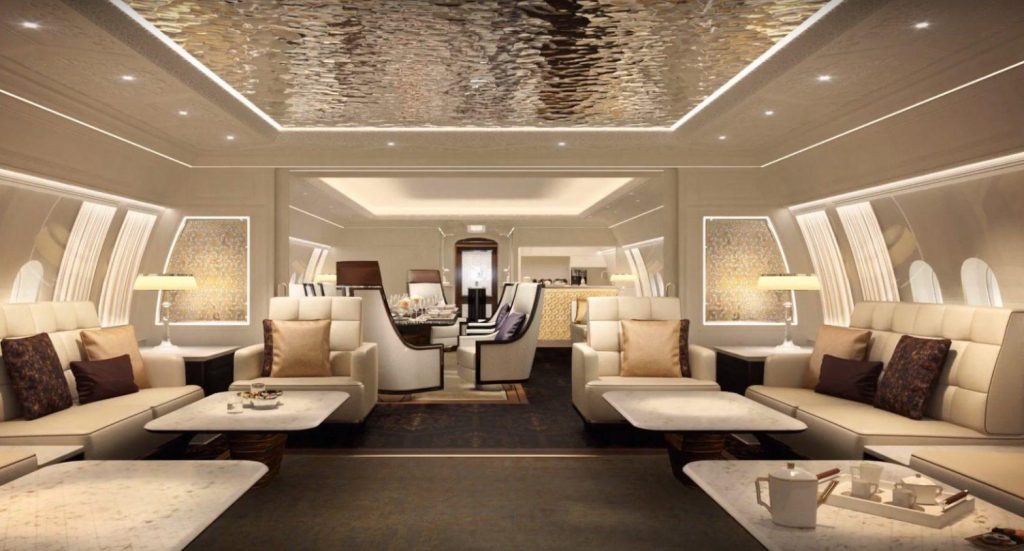
In the ever-evolving world of luxury travel, a new contender has emerged to challenge the dominance of private jets: the Hyperloop. Promising unprecedented speeds, eco-friendliness, and cutting-edge technology, the Hyperloop aims to revolutionize transportation. On the other hand, private jets, the summery of luxury and exclusivity, have long been the go-to choice for the wealthy and influential.
This article delves into the key aspects of both transportation modes, comparing their speed, comfort, environmental impact, and cost, to assess whether the Hyperloop can truly rival private jets in the luxury travel market.
Understanding the Contenders
What is the Hyperloop?
The Hyperloop is a high-speed transportation system envisioned by Elon Musk in 2013. It operates in near-vacuum tubes, where pods carrying passengers are propelled using magnetic levitation and electric propulsion. Capable of reaching speeds of up to 760 mph (1,223 km/h), the Hyperloop promises to drastically reduce travel times between cities.
Several companies, including Virgin Hyperloop and Hyperloop Transportation Technologies (HTT), are racing to make this concept a reality, with initial routes planned for high-demand travel corridors like Los Angeles to San Francisco or Dubai to Abu Dhabi.
What Makes Private Jets Special?
Private jets represent the maximum experience of convenience, luxury, and exclusivity. Unlike commercial airlines, they allow passengers to bypass long security lines, customize their schedules, and fly directly to smaller airports closer to their destinations.
Manufacturers like Gulfstream, Bombardier, and Dassault have elevated the private jet experience, offering cutting-edge designs, plush interiors, and state-of-the-art amenities that cater to the most discerning travelers.
Speed: The Race Against Time
Hyperloop’s Promise of Supersonic Speeds
The Hyperloop’s primary appeal lies in its unmatched speed. For instance, a journey that takes six hours by car or one hour by plane could be reduced to just 30 minutes on a Hyperloop.
- Example Routes:
- Los Angeles to San Francisco: 35 minutes
- Dubai to Abu Dhabi: 12 minutes
If realized, these travel times could revolutionize how we think about regional travel, particularly for busy executives or time-conscious travelers.
Private Jets and Flexibility
While private jets may not match the Hyperloop’s theoretical speeds, they offer a very uniqueed flexibility and point-to-point travel. A private jet can reach any airport, big or small, making it ideal for reaching remote destinations.
Moreover, private jets are not restricted by predetermined routes, unlike the Hyperloop, which requires fixed infrastructure. This flexibility ensures private jets remain a strong contender in the race against time.
Luxury and Comfort
Hyperloop’s Vision of the Future
The Hyperloop aims to redefine passenger experience with futuristic designs and modern conveniences. Early concepts showcase:
- Spacious, ergonomic seating.
- Panoramic digital displays.
- High-speed internet connectivity.
- Silent, vibration-free travel.
However, critics argue that it may still fall short of the bespoke luxury offered by private jets. Additionally, the limited personal space in pods and the lack of exclusivity might not appeal to high-net-worth individuals used to the privacy of private jets.
Private Jets: The Gold Standard
Private jets are synonymous with personalized luxury. Passengers can customize every aspect of their journey, from the menu to the cabin design. Features include:
- Reclining leather seats or full-size beds.
- Private meeting spaces and lounges.
- On-demand entertainment systems.
- Dedicated crew providing customized services.
For families, business executives, or celebrities, the privacy and exclusivity of a private jet remain unmatched.
Sustainability: A Green Perspective
Hyperloop: The Eco-Friendly Visionary
One of the Hyperloop’s strongest selling points is its environmental sustainability. By leveraging renewable energy sources like solar power, the Hyperloop is designed to have a minimal carbon footprint. Its near-zero emissions and energy efficiency make it an attractive option in an era where environmental consciousness is paramount.
Private Jets and Carbon Challenges
Private jets, unfortunately, face significant challenges in terms of sustainability. The aviation industry accounts for roughly 2.5% of global carbon emissions, with private jets contributing disproportionately due to their low passenger capacity and high fuel consumption.
Efforts are underway to mitigate this impact, including:
- Development of sustainable aviation fuels (SAF).
- Introduction of electric and hybrid jets.
- Carbon offset programs offered by private jet companies.
While progress is being made, the Hyperloop’s eco-friendly credentials give it a significant edge in this category.
Cost Comparison
Hyperloop’s Affordable Ambitions
Hyperloop proponents envision ticket prices comparable to economy-class flights. For example, a ticket from Los Angeles to San Francisco might cost $50-$100, making it accessible to a wider audience.
However, the initial construction costs for Hyperloop infrastructure are astronomical, and questions remain about whether the system can be economically viable while keeping ticket prices low.
The High Price of Private Jets
Private jets cater to a niche market due to their high operating costs. Chartering a private jet can cost anywhere from $5,000 to $20,000 per hour, depending on the aircraft type and distance traveled. Ownership costs, including maintenance, crew salaries, and fuel, can easily exceed millions annually.
For the ultra-wealthy, however, the convenience and exclusivity of private jets justify the price tag. In this sense, private jets will continue to dominate the high-end travel market despite their cost.
Infrastructure and Accessibility
Hyperloop’s Infrastructure Challenges
Building a Hyperloop network requires extensive infrastructure investment, including vacuum-sealed tubes and dedicated stations. This poses significant challenges, such as:
- Land acquisition.
- Regulatory approvals.
- Construction costs running into billions of dollars.
While promising, the Hyperloop’s reliance on fixed routes limits its flexibility compared to private jets, which can take off from thousands of airports worldwide.
Private Jets: Minimal Infrastructure Needs
Private jets require only airports and airstrips, giving them access to over 5,000 airports in the U.S. alone. This flexibility allows private jet users to travel directly to their destination without being constrained by fixed routes or schedules.
The Future of Luxury Travel: Who Will Win?
The competition between the Hyperloop and private jets highlights two distinct visions of luxury travel:
- Hyperloop: Fast, sustainable, and futuristic, appealing to tech-savvy travelers and environmentally conscious individuals.
- Private Jets: Flexible, luxurious, and exclusive, catering to high-net-worth individuals who value privacy and personalized experiences.
Rather than one replacing the other, it’s likely that these two transportation modes will coexist, serving different niches within the luxury travel market. The Hyperloop could dominate short-haul routes, connecting major cities in record time, while private jets remain the preferred choice for long-haul journeys, remote destinations, and bespoke travel experiences.
Conclusion
The battle between the Hyperloop and private jets represents the intersection of tradition and innovation in luxury travel. While the Hyperloop offers an eco-friendly, high-speed alternative for regional travel, private jets continue to set the standard for ultimate luxury and flexibility.
Ultimately, the choice between these two modes of travel will depend on individual priorities, whether it’s speed, sustainability, or exclusivity. As both technologies evolve, they promise to redefine the way we think about travel, offering exciting possibilities for the future.


