


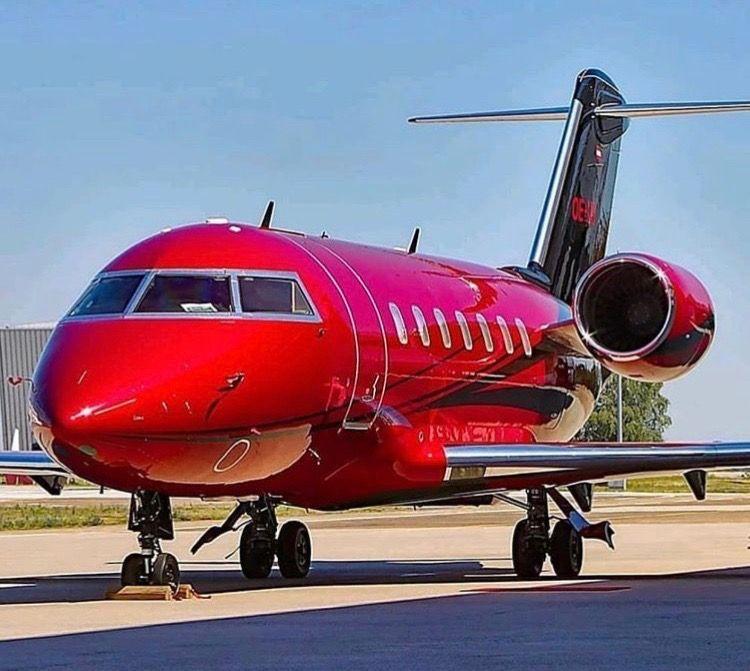
Purchasing a private jet is not just about having the means to own a luxury aircraft, it’s a serious investment decision that requires thoughtful planning, strategic thinking, and a clear understanding of the entire process. For most people, buying a private jet will be one of the largest and most important investments of their life. But the good news is, with the right approach and innovative techniques, you can make the entire experience smoother, more rewarding, and most importantly, more cost-effective.
In this ultimate guide, we’ll walk you through innovative techniques and strategies that will give you an edge in purchasing a private jet. These insights will help you find the right aircraft, negotiate better deals, and understand how to manage your ownership with the least amount of stress. By the end of this guide, you’ll be ready to make an informed decision and take action with confidence.
Why Buy a Private Jet?
Before diving into the specifics of buying a private jet, it’s essential to remind ourselves why this investment is such an attractive option for high-net-worth individuals, businesses, and families. A private jet offers several benefits that far outweigh traditional air travel options, making it a smart purchase for those who need to travel frequently, comfortably, and in total privacy.
- Efficiency and Time-Saving
One of the most important advantages of owning a private jet is time savings. With your own aircraft, you have the flexibility to travel on your schedule, eliminating the need for long layovers, flight delays, and waiting at security checkpoints. This flexibility can translate to increased productivity, especially for busy executives or entrepreneurs. - Comfort and Privacy
A private jet allows you to travel in absolute comfort. From spacious cabins to luxurious seating, you’ll have the ability to create an atmosphere that’s tailored to your needs. Moreover, you won’t have to deal with crowded terminals or noisy fellow passengers. For many, this level of privacy is invaluable, especially for those who frequently need to conduct confidential business meetings while in transit. - Access to Remote Locations
Commercial airlines are limited to major airports, whereas private jets can land at smaller airports, bringing you closer to your final destination. Whether you’re heading to a remote location for business or leisure, a private jet gives you the ability to travel without the logistical challenges of commercial flight options. - Prestige and Status
Let’s face it: owning a private jet is a status symbol that exudes success, prestige, and luxury. For many, this is an added benefit of private jet ownership, offering a sense of achievement and a way to showcase wealth and influence.
Understanding the Different Types of Private Jets
A private jet isn’t a one-size-fits-all purchase. There are several different types of jets, each suited to specific needs and preferences. Understanding your own requirements will help you choose the type of jet that aligns with your lifestyle, travel patterns, and budget.
- Light Jets
Light jets are perfect for short regional flights, accommodating 4-6 passengers. These aircraft are generally more affordable and fuel-efficient, making them ideal for frequent short-distance travelers. Popular models include the Embraer Phenom 100 and the Cessna Citation Mustang. - Midsize Jets
Midsize jets offer more space, comfort, and range compared to light jets, typically seating between 6-8 passengers. They’re capable of flying longer distances (up to 3,000 nautical miles), making them an excellent choice for business travelers who frequently fly across regions. Well-known examples include the Bombardier Learjet 60 and the Hawker 800XP. - Heavy Jets
Heavy jets are built for long-distance travel, with capacities ranging from 8-16 passengers. These aircraft feature larger cabins and extensive amenities, including conference rooms, full bathrooms, and more. They’re designed for transcontinental flights and provide ultimate comfort. Notable models include the Gulfstream G550 and Bombardier Global 6000. - Ultra-Long-Range Jets
For those who need to travel intercontinental distances, ultra-long-range jets are the best option. These jets can cover distances of over 6,000 nautical miles and often feature luxurious cabins, including private bedrooms, showers, and full-service kitchens. Famous models include the Gulfstream G650ER and the Bombardier Global 7500. - Turboprop Aircraft
Although not technically a jet, turboprop aircraft are smaller, more affordable, and perfect for shorter distances. They typically seat between 4-10 passengers and are ideal for smaller airports or regional flights. Aircraft like the King Air 350 and the Pilatus PC-12 are popular choices.
The Private Jet Buying Process: A Step-by-Step Guide
The process of purchasing a private jet involves several critical steps. From initial research to final negotiations, each phase requires careful attention to detail. Here’s a breakdown of the buying process.
Step 1: Set Your Budget
The first step in buying a private jet is determining your budget. Private jets vary in price, with smaller models starting at a few million dollars and larger, more luxurious models costing tens of millions. It’s crucial to understand not only the upfront cost but also the ongoing expenses that come with jet ownership. These include maintenance, insurance, fuel, crew salaries, and storage costs. Factor in your intended usage and how often you plan to fly.
Step 2: Research the Market
Once you’ve established a budget, the next step is researching the market. The private jet market is complex, with numerous players, including aircraft manufacturers, brokers, and private sellers. You should familiarize yourself with popular models, their respective price ranges, and features. Platforms like Controller and JetNet provide updated listings, helping you track available jets on the market.
Step 3: Engage a Reputable Broker
Given the complexity of buying a private jet, many buyers choose to work with an experienced aviation broker. Brokers act as intermediaries between buyers and sellers, helping you find the right aircraft at the best possible price. A reputable broker will have in-depth knowledge of the market, and they’ll assist with inspections, negotiations, and paperwork. They also help you avoid potential pitfalls that come with private jet purchases.
Step 4: Aircraft Inspection and Evaluation
Before you sign on the dotted line, it’s essential to have the aircraft inspected by a certified aviation mechanic. A thorough pre-purchase inspection ensures that the jet is in good condition and meets your requirements. This process involves checking the aircraft’s structure, engines, avionics, and overall condition. If the jet is pre-owned, it’s particularly important to assess the aircraft’s maintenance history.
Step 5: Negotiate and Finalize the Deal
Once you’ve found the perfect jet and completed the inspection, it’s time to negotiate the price. While private jets often come with set asking prices, there is usually room for negotiation, especially if you’re purchasing a pre-owned jet. Work with your broker to negotiate not only the purchase price but also terms such as delivery, warranties, and future maintenance agreements.
Innovative Strategies to Enhance Your Private Jet Purchase
While the above steps outline the standard process for purchasing a jet, there are several innovative techniques you can implement to maximize value and minimize costs during your buying journey.
- Consider Pre-Owned Aircraft
Buying a new private jet may seem appealing, but pre-owned aircraft can offer significant savings without compromising on quality. Private jets depreciate quickly, so purchasing a used model that is a few years old can help you avoid steep depreciation while still getting a high-quality aircraft. Be sure to have the aircraft thoroughly inspected to avoid hidden problems. - Look for Off-Market Deals
Many high-net-worth individuals choose to buy and sell their private jets off-market. These transactions are often conducted privately through brokers or word of mouth, meaning there may be significant opportunities to secure a deal that’s not available to the public. Working with a trusted broker who has connections in the industry can give you access to off-market listings. - Use Fractional Ownership as an Alternative
Fractional ownership allows you to share ownership of a private jet with others, making it more affordable. With fractional ownership, you purchase a portion of the jet and have access to it for a set number of flight hours. This model is ideal for those who don’t need to fly frequently but still want the benefits of private aviation. - Negotiate Maintenance and Support Packages
Aircraft maintenance is a significant ongoing expense for private jet owners. When purchasing your jet, negotiate maintenance packages, warranties, and other support services to reduce your long-term costs. Many manufacturers offer extended warranties or maintenance agreements that cover repairs and inspections. - Time Your Purchase for Maximum Savings
The timing of your purchase can also impact the price of a private jet. Towards the end of the year or a manufacturer’s fiscal quarter, sellers are more likely to offer discounts or incentives in order to meet sales targets. Be strategic about the timing of your purchase to get the best deal.
Conclusion: Making Your Dream Jet a Reality
Purchasing a private jet is a significant financial commitment, but with careful research, planning, and innovative strategies, it can be a rewarding investment. By understanding the different types of jets, navigating the buying process, and utilizing strategies like off-market deals and fractional ownership, you can make an informed decision that aligns with your lifestyle and travel needs.
The key to purchasing a private jet is to approach it with confidence and clarity, using the tools and techniques outlined in this guide to ensure you make the best decision for your future travels. Soar to new heights and enjoy the many benefits of private jet ownership.


