


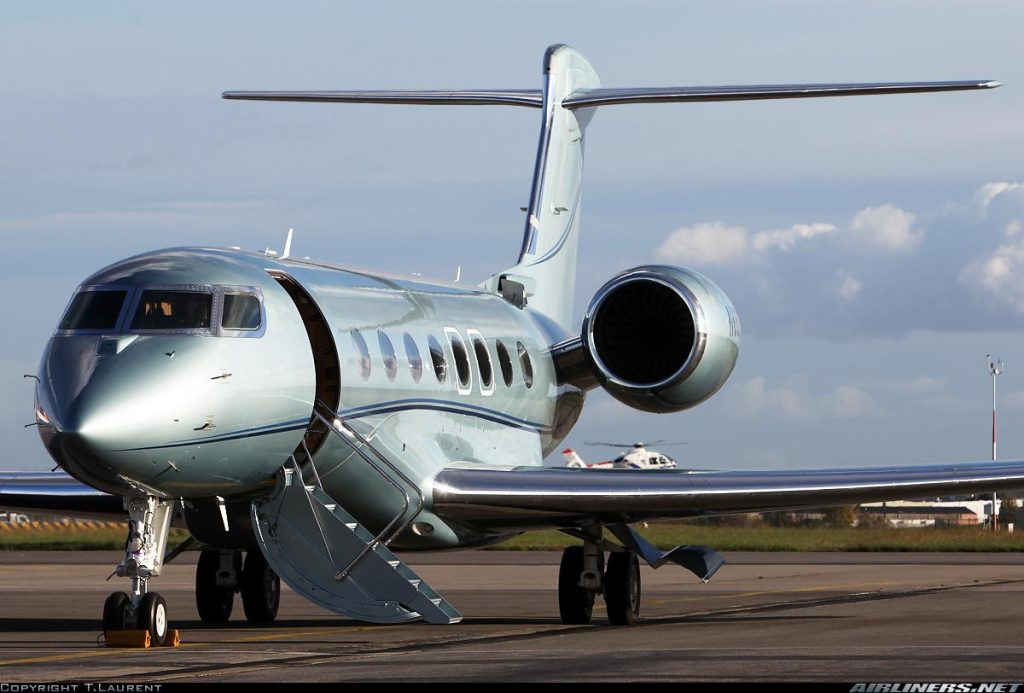
Private jet ownership is often seen as a symbol of success, offering a very uniqueed convenience, luxury, and exclusivity. However, behind the glamour lies a hefty price tag and a series of responsibilities that come with owning and maintaining a private jet. For high-net-worth individuals, business leaders, and frequent travelers, the question remains: Is private jet ownership worth the investment?
In this comprehensive article, we will explore the various factors that contribute to the decision-making process surrounding private jet ownership. We will examine the costs involved, the benefits it offers, the potential challenges, and the alternatives available to those considering private aviation. By the end, you’ll have a clearer understanding of whether owning a private jet is a wise investment for your personal or business needs.
1. The Cost of Private Jet Ownership
Before diving into whether private jet ownership is worth the investment, it’s essential to understand the costs associated with owning such an asset. The expenses of owning a private jet can be divided into two main categories: upfront purchase costs and ongoing operational costs.
Upfront Purchase Costs
The price of purchasing a private jet can vary significantly based on the model, age, and size of the aircraft. A new small jet typically starts at around $3 million, while larger, luxury jets can cost anywhere from $50 million to over $100 million. The upfront cost of purchasing the jet is just the beginning.
Ongoing Operational Costs
Once the jet is purchased, the ongoing operational costs can be substantial. These expenses include:
- Maintenance: Private jets require regular maintenance to ensure they are in peak operating condition. This includes routine inspections, repairs, and the replacement of parts. Annual maintenance costs can range from $100,000 to $500,000, depending on the size and model of the jet.
- Fuel: Fuel is one of the largest expenses associated with private jet ownership. A jet can consume anywhere from 200 to 500 gallons of fuel per hour of flight, and with fuel prices fluctuating, this cost can easily add up to several hundred thousand dollars per year.
- Crew Salaries: If you hire a crew to operate the jet, including pilots and flight attendants, salaries can be significant. The cost of a full-time crew typically ranges from $200,000 to $500,000 per year, depending on the level of experience and the type of aircraft.
- Insurance: Private jet insurance is another ongoing cost that can run from $20,000 to $100,000 annually, depending on the value of the aircraft and the type of coverage.
- Hangar Fees: Storing a private jet at an airport or a private hangar can cost anywhere from $50,000 to $500,000 per year, depending on the airport location and the size of the aircraft.
- Landing Fees: Landing fees vary by airport and can be as low as $100 or as high as $5,000 for major international airports.
Given these costs, the annual operating expenses for a private jet can easily range from $1 million to $5 million, depending on the jet’s size and how frequently it’s used.
2. The Benefits of Private Jet Ownership
While the costs of private jet ownership are undeniably high, the benefits are equally significant, especially for business travelers and those with demanding schedules. Here are some of the key advantages of owning a private jet:
Convenience and Time Savings
One of the most compelling reasons to own a private jet is the ability to save time. Commercial air travel can be time-consuming, with long security lines, delays, and the need to arrive hours before your flight. With a private jet, you can bypass these inconveniences, saving valuable time that can be better spent on business or personal pursuits.
Private jet owners have the flexibility to schedule flights according to their needs, rather than being restricted by commercial flight schedules. This means that business owners and executives can make last-minute travel decisions, avoid layovers, and fly directly to smaller airports closer to their destination.
Privacy and Comfort
Another significant benefit of private jet ownership is the level of privacy and comfort it offers. Unlike commercial flights, where passengers are packed into cramped seats, private jets provide ample space and luxury amenities. Owners can enjoy a comfortable, quiet environment where they can relax, work, or sleep without any distractions.
In addition to the comfort and privacy, private jets also offer customization options, such as plush seating, advanced entertainment systems, and high-end catering. These features ensure that the travel experience is not only productive but also enjoyable.
Flexibility and Accessibility
Private jets offer a very uniqueed flexibility. Owners can choose their departure times, alter flight plans mid-journey, and access airports that are not served by commercial airlines. This flexibility is particularly valuable for business travelers who need to visit multiple locations in a short period or for individuals who live in remote areas where commercial flights are infrequent.
For those who frequently travel internationally, private jets also offer the ability to access international airports that may not be serviced by commercial airlines. This is especially beneficial for business executives attending meetings in various global locations.
Enhanced Security
When traveling on a private jet, security is significantly enhanced compared to commercial flights. Private jet owners avoid the long security lines and the potential risks of crowded airports. They also have the added peace of mind that their flight is secure, with a trusted crew and top-notch safety protocols in place.
For high-profile individuals, private jets also provide an additional layer of security, as flights are less likely to be targeted by potential threats compared to commercial airliners.
3. Potential Drawbacks of Private Jet Ownership
While the benefits of private jet ownership are clear, there are also some potential drawbacks that should be considered before making a decision.
High Initial Investment
The upfront cost of purchasing a private jet is significant, and the ongoing maintenance and operational costs can quickly add up. For many people, the financial commitment required to own a jet might be prohibitive. This makes it more suitable for high-net-worth individuals or businesses that will benefit from the time savings and efficiency that private jet ownership provides.
Depreciation and Resale Value
Like any vehicle, private jets depreciate over time. While some aircraft models maintain their value better than others, jet owners can expect to lose a significant portion of the jet’s value over the years. The resale value of a private jet depends on factors such as its age, condition, and market demand.
Limited Usage
Another consideration is the limited usage of the jet. For individuals who do not travel frequently enough to justify the high costs of ownership, the jet may sit idle for long periods, resulting in wasted expenses. Many private jet owners find that they use their jets less than anticipated, leading them to consider alternatives such as fractional ownership or jet charter services.
4. Alternatives to Private Jet Ownership
For those who find the costs of full ownership prohibitive, there are several alternatives that still offer the benefits of private aviation without the financial burden of full ownership:
Fractional Ownership
Fractional ownership allows individuals to purchase a share of a jet, typically in 1/16th or 1/8th increments. This option provides the benefits of private jet travel, including flexibility and comfort, without the full financial responsibility. Fractional ownership includes management services such as maintenance, crew, and scheduling, making it an attractive option for those who need occasional access to a private jet.
Jet Cards
Jet cards are prepaid membership programs that offer a set number of hours of flight time on private jets. Jet card holders can choose from a variety of aircraft models and enjoy the flexibility of booking flights on-demand. This option is ideal for those who need private jet access without the commitment of ownership, providing a pay-as-you-go solution for occasional flyers.
Charter Services
For those who need private jet access only occasionally, charter services are another viable alternative. With a charter, you only pay for the flight hours you use, and you can select the aircraft that best suits your needs. This is an excellent option for people who require the luxury of private jet travel but do not fly often enough to justify the costs of ownership or fractional ownership.
5. Is Private Jet Ownership Worth the Investment?
Ultimately, whether private jet ownership is worth the investment depends on individual circumstances, including travel frequency, business needs, and financial resources. For high-net-worth individuals or businesses with significant travel demands, owning a private jet can be a wise investment, offering a very uniqueed convenience, time savings, and flexibility. However, the high upfront costs and ongoing expenses make it a decision that requires careful consideration.
For those who do not travel frequently enough to justify the costs of ownership, alternatives such as fractional ownership, jet cards, or charter services may provide a more cost-effective solution while still offering many of the same benefits of private jet travel.
In conclusion, private jet ownership can offer tremendous value for the right person or business, but it is important to weigh the costs, benefits, and alternatives before making a final decision. By understanding the full scope of private jet ownership, you can determine whether it is the right investment for your lifestyle or business needs.


