


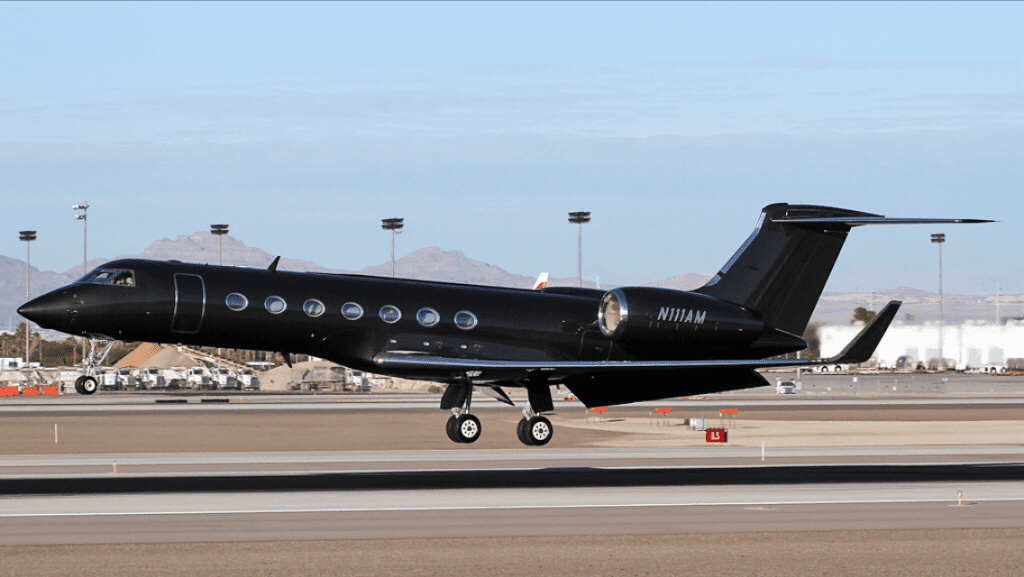
- Sustainability in Jet Design: The Growing Need for Eco-Friendly Aviation
As the world becomes more conscious of environmental impact, sustainability has become a critical focus in the design of luxury jets. Travelers and manufacturers alike are placing increasing importance on reducing carbon footprints and improving fuel efficiency, while still providing an unparalleled flying experience. With advancements in materials, aerodynamics, and engine technology, the aviation industry is starting to make strides in reducing its environmental impact.
Sustainable Design Features in Luxury Jets:
Lightweight Materials: Many luxury jet manufacturers are now using lightweight composite materials, such as carbon fiber and advanced alloys, to reduce the overall weight of the jet. This results in better fuel efficiency and lower emissions without compromising the jet’s strength or safety.
Electric and Hybrid Engines: The development of electric and hybrid engines is one of the most exciting trends in luxury aviation. Jets such as the Eviation Alice are set to make electric aviation a reality, offering a quieter, cleaner alternative to traditional jet engines. Hybrid propulsion systems are also becoming more common in aircraft designs, promising to reduce fuel consumption and emissions.
Green Technologies: From advanced wing designs to more efficient engines, manufacturers are incorporating green technologies to improve jet performance while reducing their environmental footprint. For example, the Bombardier Global 7500 features winglets that reduce drag and improve fuel efficiency, making it one of the most eco-friendly jets in its class.
- Advanced Cabin Design: Creating a Seamless Experience
The interior of a luxury jet is as much a reflection of cutting-edge design as the exterior. The cabin is the space where passengers spend most of their time, so manufacturers are continually innovating to make this space as comfortable, functional, and luxurious as possible. The goal is to create an environment that feels like an extension of a private residence or office, offering personalized comfort with the latest technology.
Cabin Design Trends in Luxury Jets:
Customizable Layouts: Luxury jets are increasingly offering customizable cabin layouts to suit the preferences of individual passengers. From multi-zone seating arrangements to the option of a private bedroom, passengers can tailor their jet experience to meet their specific needs.
Innovative Lighting Systems: Lighting has become a crucial element in luxury jet interiors, with advanced LED systems being used to create mood lighting that can be adjusted based on the time of day or the passenger’s preferences. The use of dynamic lighting, which mimics the natural progression of daylight, has been shown to reduce jet lag and improve passenger comfort.
Smart Technology Integration: Modern luxury jets are equipped with smart technology that allows passengers to control every aspect of their cabin experience. Touchscreen interfaces, voice-activated controls, and automated systems allow passengers to adjust lighting, temperature, entertainment, and even window shades with ease.
Luxury Furnishings: In luxury jets, the furniture is as comfortable as it is stylish. Plush seating, full-sized beds, and custom-designed dining areas are becoming standard in high-end jets. The materials used in these designs range from premium leather and suede to rich wood finishes and rare metals, offering a blend of elegance and practicality.
- Aerodynamic Enhancements: Streamlining Performance and Efficiency
Jet manufacturers are always striving to improve the performance of their aircraft, and one of the key areas of focus is aerodynamics. Streamlined, efficient designs not only enhance fuel efficiency but also contribute to smoother, faster flights. The shape of the jet, the materials used in its construction, and its wing design all play a crucial role in its overall aerodynamic performance.
Aerodynamic Trends in Luxury Jets:
Winglets and Wing Design: Winglets, small, upward-curved extensions at the end of the wings, are a key aerodynamic feature in many modern jets. These winglets help reduce drag and improve fuel efficiency, which in turn reduces emissions and enhances the overall performance of the jet. The Gulfstream G650ER, for example, features advanced winglets that allow it to fly faster and farther while maintaining fuel efficiency.
Reduced Drag and Noise: New designs in the fuselage and tail section of jets are helping to reduce drag, which increases fuel efficiency and allows the jet to fly at higher speeds. Noise reduction technologies, such as specialized engine nacelles and advanced soundproofing, are also becoming more common, ensuring that passengers enjoy a quieter and more comfortable flight experience.
- Connectivity and Entertainment: Staying Connected at 40,000 Feet
In the past, one of the challenges of flying in a private jet was the lack of connectivity. However, with the rise of satellite communications and advanced wireless technology, luxury jets are now equipped with fast, reliable internet and entertainment systems. High-speed connectivity allows passengers to stay in touch with colleagues, clients, or family members, while advanced entertainment systems ensure that there is never a dull moment during the flight.
Connectivity Features in Luxury Jets:
High-Speed Internet: The latest luxury jets are equipped with satellite internet systems that offer fast and reliable connectivity even at high altitudes. This allows passengers to stay connected, stream content, and participate in video calls or meetings without any interruptions.
In-Flight Entertainment Systems: Luxury jets now offer a wide range of entertainment options, from movies and TV shows to music and games. Passengers can enjoy personalized entertainment, with individual screens and a selection of high-quality content at their fingertips. Jets such as the Bombardier Global 7500 feature state-of-the-art entertainment systems with large HD screens and surround sound.
Virtual Reality and Immersive Experiences: Some luxury jets are even experimenting with virtual reality (VR) and immersive entertainment experiences, allowing passengers to enjoy movies, games, and even virtual tours of exotic destinations while in the air. These systems create a fully immersive experience that enhances the entertainment options available during the flight.
- Future-Forward Materials: Innovation in Construction
The materials used in the construction of luxury jets play a significant role in their performance, safety, and overall aesthetic. Manufacturers are increasingly turning to advanced materials that offer superior strength, durability, and lightness, contributing to improved fuel efficiency and faster speeds.
Trends in Jet Construction Materials:
Carbon Fiber: Carbon fiber has become a popular material in the construction of luxury jets due to its lightweight yet strong properties. Jets like the Gulfstream G700 incorporate carbon fiber into their construction to reduce weight, increase fuel efficiency, and improve overall performance.
Titanium and Advanced Alloys: Titanium and advanced alloys are increasingly being used in the construction of key components of luxury jets, such as the wings, engines, and fuselage. These materials are incredibly strong and resistant to corrosion, making them ideal for high-performance aircraft.
Composite Materials: Many luxury jets are now built using composite materials, which offer a combination of lightweight properties and strength. Composites are being used in everything from the wings to the fuselage, allowing manufacturers to reduce the weight of the jet while maintaining structural integrity.
- Conclusion: The Future of Luxury Air Travel
The future of luxury air travel is poised to be shaped by a combination of sustainability, cutting-edge technology, and luxurious design. As jet manufacturers continue to push the envelope in terms of performance and passenger experience, we can expect to see more environmentally friendly jets, smarter cabin technology, and even more efficient and aerodynamic designs.
For elite travelers, the luxury jet of the future will not only offer unparalleled comfort and convenience but will also incorporate the latest trends in sustainability, connectivity, and performance. Whether it’s a sleek, eco-friendly design or a fully immersive in-flight entertainment system, the next generation of luxury jets is sure to elevate the flying experience to new heights.


