


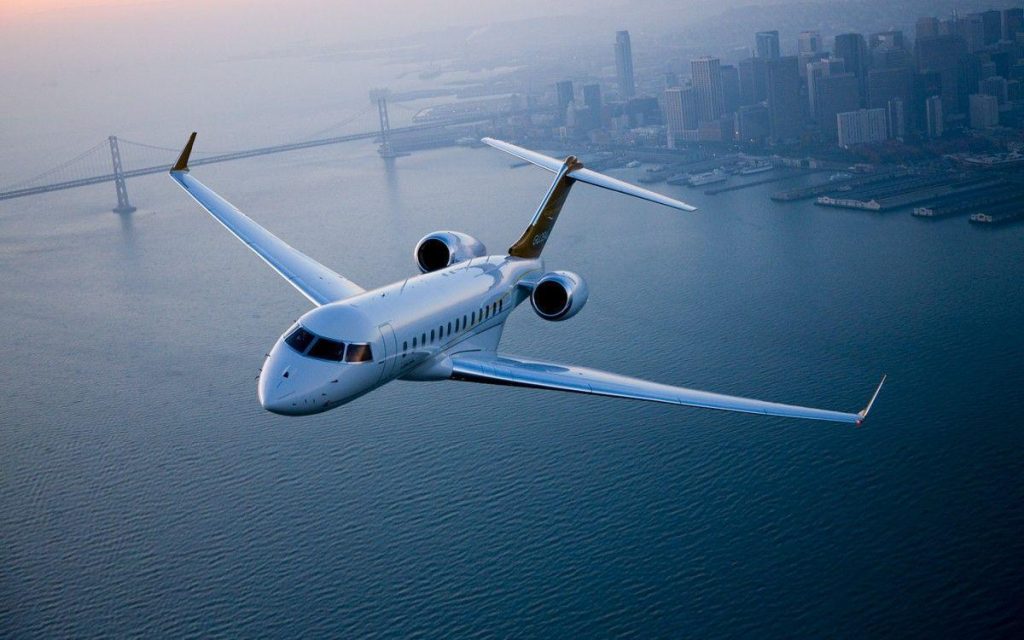
In this comprehensive analysis, we will explore the latest design trends in the luxury jet market, highlighting the most innovative and high-end features that define the world of private aviation. From materials and aesthetics to layouts and customization options, we will examine the various design elements that make luxury jets a class apart.
- Materials and Finishes: A Commitment to Opulence
The foundation of luxury jet design begins with the materials chosen for both the exterior and interior. Leading manufacturers such as Gulfstream, Bombardier, and Dassault are renowned for using high-end materials that not only ensure safety and performance but also create an atmosphere of ultimate luxury.
In the cabin, designers use fine wood veneers, premium leathers, and sumptuous fabrics to create an environment that feels like a home in the sky. Woods like walnut and oak are frequently chosen for their rich tones and timeless appeal. Leathers are often sourced from the finest tanneries, providing a tactile experience that enhances the luxurious atmosphere. Meanwhile, fabrics such as silks, velvets, and exclusive synthetic materials add depth and texture to the seating, walls, and flooring.
In the cockpit and other operational areas, lightweight composite materials are preferred for their durability and strength, while reducing weight to maximize fuel efficiency. The marriage of technology and artistry is evident in these meticulously selected materials, with an emphasis on both style and function.
- Innovative Lighting Systems: Enhancing the Mood and Atmosphere
Lighting plays a crucial role in setting the tone and mood inside a luxury jet. Designers are increasingly utilizing innovative lighting systems to enhance the experience of being airborne. Modern jets often come equipped with advanced LED lighting that can change color and intensity depending on the desired ambiance. This allows for a fully customizable experience, whether you’re looking for a relaxing atmosphere during a night flight or a bright and energizing environment during the day.
Incorporating natural light is another key trend. Large panoramic windows are a staple in many luxury jets, offering unobstructed views of the sky and landscape. Additionally, some aircraft feature skylights that bring in even more natural light. The ability to control lighting levels and adapt the space to various moods or times of day is a critical design element in luxury aviation.
- Personalized Interiors: Customization Beyond Imagination
What truly sets luxury jets apart is the ability to personalize the space. Leading manufacturers understand that no two passengers are the same, which is why custom interiors are a hallmark of high-end jets. From the layout of the cabin to the materials used, every aspect of the jet can be customized to suit the preferences and needs of the owner.
Customization options include everything from bespoke seating configurations to entertainment systems that rival those found in the most luxurious homes. For example, some jets offer fully reclining seats that convert into fully flat beds, while others have private suites with large beds, bathrooms, and even showers. The design of the cabin can also reflect the owner’s personal taste, with custom color schemes, furniture pieces, and artwork that create a unique atmosphere.
Technology plays a major role in the customization of these jets. Ultra-high-definition screens, state-of-the-art sound systems, and touch-control interfaces make the experience in the cabin more seamless and convenient. The cabin can be configured to include a range of spaces such as a lounge, office, dining area, or even a private bedroom. Owners can select and adjust everything from the materials to the layout, creating a space that feels as comfortable and stylish as their own home.
- Seamless Integration of Technology: The Smart Jet
As technology continues to advance, luxury jets are becoming more intelligent. Jet manufacturers are integrating state-of-the-art technologies to improve not only the flight experience but also the functionality of the jet. Digital control systems allow passengers to control every aspect of their environment, including lighting, temperature, entertainment, and even window tinting, all at the touch of a button or through voice-activated controls.
Many luxury jets are equipped with high-speed internet connections, enabling passengers to stay connected while in the air. Whether conducting business, streaming media, or simply staying in touch with friends and family, the ability to stay connected is a top priority for many jet owners. Additionally, the introduction of satellite-based communication systems ensures a seamless connection even at high altitudes and remote locations.
In the cockpit, advanced avionics are constantly evolving, offering pilots cutting-edge navigation and control systems that enhance the safety, efficiency, and overall experience of flying. Autopilot systems, radar, and weather technology are continually improving, ensuring that pilots can focus on the smooth operation of the aircraft while passengers enjoy the utmost comfort.
- Wellness and Comfort: The Health-First Approach
Wellness has become a key consideration in the design of luxury jets. The airborne environment can be harsh on the body, and jet manufacturers are increasingly integrating features that enhance passenger well-being during flights. This includes everything from air purification systems that ensure the cabin is filled with fresh, clean air to humidity control systems that maintain a comfortable level of moisture in the cabin.
Many luxury jets also feature fully equipped gyms, spas, and even oxygen therapy systems, allowing passengers to stay active and rejuvenated throughout their flight. These features are particularly beneficial on long-haul flights, where passengers can stretch, unwind, and refresh themselves, ensuring they arrive at their destination feeling energized and relaxed.
Furthermore, noise reduction technologies are integrated into many luxury jets to provide a quieter, more serene cabin environment. Soundproofing techniques are used to minimize external noise, and special materials are incorporated to absorb vibrations, creating a calm atmosphere.
- Future Trends: Sustainable Luxury Aviation
As sustainability becomes an increasingly important consideration in every industry, the aviation sector is following suit. Future luxury jet designs will likely incorporate eco-friendly materials and more energy-efficient systems to reduce their environmental impact. Manufacturers are exploring the use of sustainable aviation fuel (SAF), lightweight composite materials, and more efficient engines to reduce carbon emissions.
Additionally, the integration of electric propulsion systems could become a key trend in the luxury jet market. Several manufacturers are already working on hybrid and fully electric aircraft, which could dramatically reduce the carbon footprint of private aviation.
Passengers will also see more emphasis on reducing waste and improving the overall sustainability of the flying experience. This includes sourcing materials from sustainable sources, reducing single-use plastics, and minimizing the environmental footprint of luxury jets without compromising on comfort or style.
Conclusion
The world of luxury jets is constantly evolving, with designers and manufacturers continually pushing the boundaries of what’s possible. From the materials used to the technology integrated into the cabin, every element is carefully considered to ensure the highest standards of comfort, performance, and style. The latest design trends in luxury jets emphasize personalization, wellness, and seamless integration of technology, creating a flying experience that is as exceptional as it is exclusive.
As the aviation industry moves forward, we can expect to see even more innovative features that cater to the changing needs and desires of the world’s most discerning travelers. Whether it’s embracing sustainability, improving in-flight wellness, or creating more customizable and intelligent cabins, the future of luxury aviation promises to be even more remarkable than ever before.


