


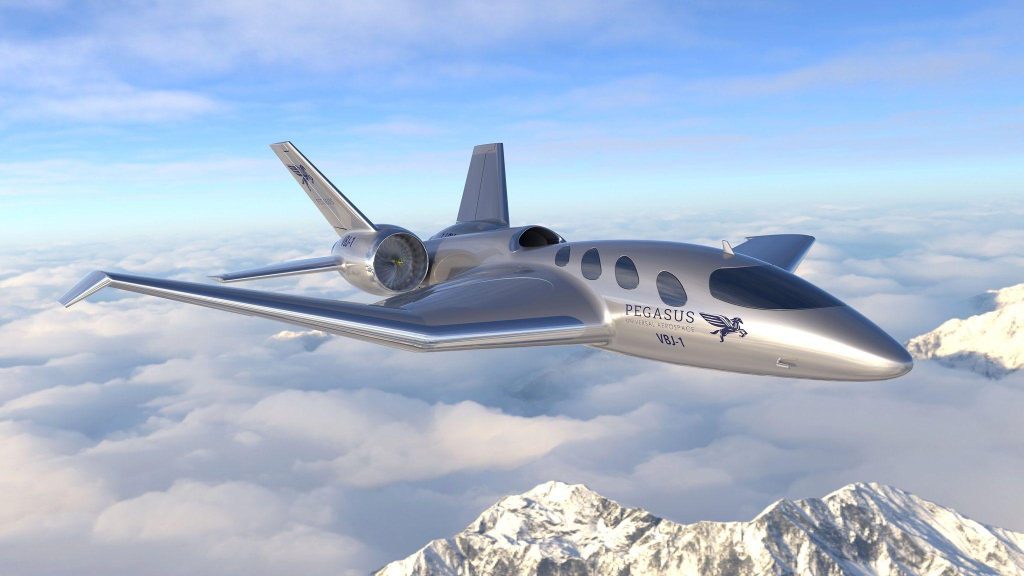
The Evolution of Luxury Jets
Luxury jets have come a long way since the early days of aviation. In the past, air travel was primarily about function: getting from one location to another in the fastest and most efficient way possible. However, as technology advanced, the focus shifted to improving the comfort, convenience, and style of travel. Over the years, private jets have been designed to offer an experience that’s as luxurious as any five-star hotel or private estate.
In the early 2000s, ultra-long-range jets like the Gulfstream G550 and the Bombardier Global 5000 set new standards for speed, range, and comfort. Today, the most innovative jets push the envelope even further, offering not only luxury but also cutting-edge technology that includes advanced avionics, noise reduction systems, and fully customized interiors.
As we look toward the future, luxury air travel is set to be defined by new technological advancements, sustainability efforts, and an ever-greater emphasis on personalization. Let’s explore some of the key elements that will shape the next generation of private jets.
Key Trends in the Future of Luxury Air Travel
- Sustainability and Green Technology
One of the biggest challenges facing the aviation industry today is the need for sustainability. As awareness of environmental issues grows, luxury jet manufacturers are increasingly focusing on reducing their carbon footprint. Companies are investing in technologies like sustainable aviation fuel (SAF), hybrid propulsion systems, and more efficient engines to minimize emissions.
The Gulfstream G700, for instance, has already taken steps toward this goal with a design that incorporates fuel-efficient engines and a lightweight composite structure. In the coming years, it’s likely that more manufacturers will adopt SAF and further improve engine technologies to make luxury air travel more environmentally friendly. Additionally, future jets may feature cutting-edge energy systems such as electric or hybrid-electric engines, though these technologies are still in the experimental stages.
While flying private has traditionally been associated with a larger environmental footprint, the integration of green technologies in luxury jets is set to revolutionize how we think about sustainable travel.
- Increased Cabin Customization and Personalization
The desire for personalized experiences is one of the driving forces behind the development of luxury jets. In the future, jet owners will have even more opportunities to customize their aircraft to reflect their unique tastes and preferences. Innovations in design will allow for more flexible and modular layouts, with options for everything from private offices and gyms to full-sized bedrooms and even spas.
For instance, manufacturers like Bombardier and Gulfstream are already offering bespoke interiors that allow customers to choose their preferred materials, colors, and finishes. In the future, jet owners might even be able to incorporate advanced technologies into their cabins, such as virtual windows for those who desire more scenic views or interior walls that change color based on the lighting or mood.
Furthermore, jet owners will be able to personalize the in-flight experience with advanced entertainment systems, temperature control, and other high-tech amenities. Cabin automation will ensure that the atmosphere inside the jet is always perfectly customized to the passenger’s preferences, with features such as lighting, climate, and entertainment automatically adjusting to the individual’s needs.
- Advanced Connectivity and In-Flight Technology
One of the most significant developments in luxury air travel over the next few years will be the integration of advanced connectivity options. High-speed internet, 5G networks, and satellite technology will ensure that passengers stay connected throughout their journey, whether they are working, streaming entertainment, or simply staying in touch with loved ones.
Aircraft like the Bombardier Global 7500 are already equipped with state-of-the-art connectivity systems, providing passengers with the ability to make video calls, access cloud services, and use streaming services without interruptions. As satellite technology continues to improve, it’s likely that connectivity will become even faster and more reliable, allowing passengers to enjoy seamless communication no matter where they are.
For business executives and corporate leaders who rely on constant connectivity, the ability to remain productive in the air will be a game-changer. The future of luxury jets will not only provide unparalleled comfort but also allow passengers to maintain a fully connected lifestyle while flying at 40,000 feet.
- Faster Travel and Supersonic Jets
Another exciting trend for the future of luxury air travel is the return of supersonic flight. In the 1960s and 1970s, the Concorde was the height of luxury travel, allowing passengers to fly from New York to London in under three hours. However, the Concorde was retired in 2003, and supersonic commercial flights have not been available since.
But things are changing. Companies like Boom Supersonic are developing new supersonic jets that promise to revolutionize air travel once again. These jets will be able to fly at speeds greater than Mach 2, drastically reducing flight times on long-haul trips. For instance, a flight from New York to Tokyo could take as little as six hours instead of the usual 12.
Supersonic jets will likely appeal to high-net-worth individuals and corporate leaders who value time above all else. These aircraft will combine speed with the same luxury features found in modern private jets, offering passengers an unparalleled flying experience.
- Luxury and Wellness Integration
As wellness becomes an increasingly important aspect of modern life, it’s expected that future luxury jets will integrate wellness features that cater to the physical and mental health of passengers. Customizable cabin pressure, humidity control, and air filtration systems will be enhanced to reduce the effects of jet lag and improve overall comfort during long-haul flights.
Additionally, more jets may include spaces dedicated to relaxation and rejuvenation, such as private spas, yoga rooms, or even dedicated spaces for meditation and mindfulness. In-flight meals will also become more focused on health and wellness, with gourmet chefs creating meals customized to specific dietary needs or preferences.
Companies like Dassault Aviation and Gulfstream are already working on integrating these wellness features into their jets, ensuring that passengers not only feel comfortable but also refreshed when they land.
Comparing the Future of Luxury Jets
As we look to the future of luxury jets, several models are expected to lead the way in terms of performance, innovation, and luxury.
Gulfstream G700: Known for its spacious cabin, cutting-edge technology, and impressive range, the G700 will likely continue to be a leader in the luxury jet market. With a range of over 7,500 nautical miles, it’s perfect for long-haul international travel. The G700’s advanced air systems, customizable interiors, and impressive safety features make it one of the top choices for the future of luxury air travel.
Boom Overture: The supersonic aircraft Boom Overture promises to revolutionize luxury air travel with speeds exceeding Mach 2. With its innovative design and faster-than-sound flight times, the Overture will appeal to those looking to save time while enjoying a luxurious in-flight experience. Although still in development, the Overture is a model to watch as it pushes the boundaries of what’s possible in aviation.
Bombardier Global 7500: The Global 7500 is another aircraft that will continue to be at the forefront of luxury air travel, offering a spacious cabin, advanced technology, and exceptional performance. Its 7,700 nautical-mile range and customizable interiors make it an ideal choice for those who want to travel in comfort and style.
Dassault Falcon 10X: Set to debut in the near future, the Falcon 10X will be a game-changer in the luxury jet market. With a range of over 7,500 nautical miles and a cabin that’s larger than any of its competitors, the Falcon 10X will set a new standard for luxury in the skies.
Conclusion
The future of luxury air travel is filled with exciting innovations and possibilities. From sustainability initiatives and supersonic travel to advanced in-flight technology and customizable interiors, the next generation of private jets promises to be even more luxurious, efficient, and personalized than ever before. Whether it’s cutting-edge connectivity, enhanced comfort, or faster travel times, the luxury jet industry is poised for a revolution that will redefine the way we think about flying.
As high-net-worth individuals and corporations continue to seek unparalleled experiences in the skies, manufacturers will rise to the occasion, pushing the limits of innovation to deliver the ultimate in luxury and performance. With so many exciting trends on the horizon, the future of luxury air travel has never looked so promising.


