


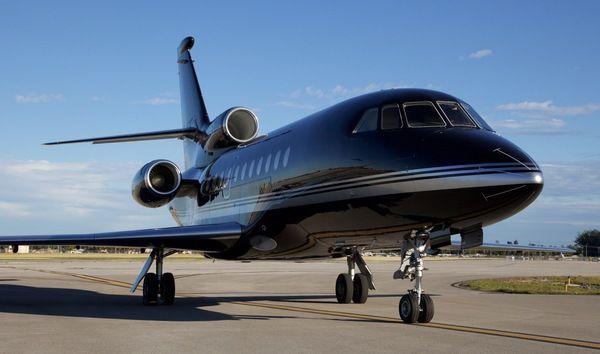
The world of luxury aviation has evolved dramatically in recent years, driven by advances in jet technology that offer unmatched comfort, performance, and sustainability. As the demand for premium luxury jets continues to rise, the focus on technological innovation has never been more critical. From advanced aerodynamics to fuel-efficient engines, intelligent cabin systems, and green aviation technologies, the future of luxury jets is set to be defined by an array of cutting-edge innovations.
This report delves deep into the latest jet technologies and their potential to reshape the future of premium luxury jets. We will explore the key technological advancements that are transforming the design, performance, and environmental impact of luxury aviation, providing a comprehensive view of what the future holds for high-end air travel.
- Revolutionizing the Cabin Experience: Intelligent Systems
One of the most significant advancements in luxury jet technology is the integration of intelligent cabin systems that elevate the passenger experience to new heights. Jet manufacturers are increasingly focusing on creating an environment that combines state-of-the-art technology with unparalleled comfort. The following are some of the standout technological innovations improving the cabin experience:
Smart Climate Control: Advanced climate control systems are now capable of adjusting temperature and humidity levels based on individual passenger preferences. These systems also use sensors to detect changes in cabin air quality, ensuring that passengers always enjoy a fresh and comfortable environment.
Customizable Lighting Systems: Lighting is a critical element in luxury aviation. LED lighting systems now offer complete customization, allowing passengers to adjust the cabin’s ambiance to suit their mood. From bright daylight simulations to soothing evening settings, lighting systems can mimic the natural circadian rhythm, promoting rest and relaxation during long flights.
Next-Gen Entertainment Systems: The future of luxury jet entertainment is set to be more interactive and immersive. 4K ultra-high-definition displays, immersive sound systems, and virtual reality (VR) entertainment options will make long flights more enjoyable than ever. Passengers can choose from an array of digital content, from the latest movies to virtual experiences, while staying connected via high-speed Wi-Fi.
Biometric Security Features: As security becomes more advanced, many luxury jets are incorporating biometric systems for faster and more secure access. Fingerprint scanners and facial recognition technology are streamlining the boarding process, reducing wait times while increasing passenger safety.
- Advancements in Jet Performance: Power, Efficiency, and Speed
At the heart of every luxury jet is its performance. As aviation technology advances, premium jets are becoming more powerful, faster, and more fuel-efficient. Several key performance improvements are shaping the next generation of luxury aviation:
High-Efficiency Engines: One of the most significant innovations in jet performance is the development of next-generation engines that combine power with fuel efficiency. New turbofan engines are being designed to deliver more thrust while reducing fuel consumption, making long-haul flights more cost-effective and environmentally friendly. These engines also produce less noise during takeoff and landing, which is particularly beneficial for airports in densely populated areas.
Supersonic Flight: The dream of supersonic commercial travel is edging closer to reality, thanks to the development of supersonic business jets like the Boom Overture. These jets aim to travel at speeds of Mach 2.2, cutting flight times in half. While supersonic jets have been a part of aviation history in the form of the Concorde, modern advancements in aerodynamics and engine technology are making it possible to build faster, more efficient, and quieter supersonic jets that cater to luxury travelers.
Hybrid and Electric Propulsion: In response to growing concerns about the environmental impact of aviation, electric and hybrid propulsion systems are being explored as a sustainable alternative to traditional jet engines. While still in the experimental stages, several manufacturers are working on electric jet prototypes that will significantly reduce carbon emissions and noise pollution. By integrating batteries and electric motors, these jets promise to offer quieter and greener flights, especially for shorter, regional trips.
Improved Aerodynamics: Advances in aerodynamic design have led to the development of more streamlined and efficient jets. Winglets, wing fuselage fairings, and advanced materials such as composites are being incorporated into jet structures to reduce drag, increase fuel efficiency, and improve overall performance. These design innovations make luxury jets faster and more efficient without compromising comfort.
- Sustainability: Green Aviation Technologies
Sustainability is one of the most pressing issues in modern aviation. As the aviation industry faces increasing pressure to reduce its environmental footprint, luxury jet manufacturers are introducing green technologies to meet the growing demand for eco-friendly air travel. Some of the most promising technologies include:
Sustainable Aviation Fuels (SAFs): SAFs are biofuels made from renewable sources, including plant oils, algae, and waste products. These fuels can significantly reduce the carbon footprint of luxury jets by up to 80% compared to traditional jet fuels. Many jet manufacturers are working with airlines to integrate SAFs into their fleets, and the use of these fuels is expected to become standard practice in the coming years.
Carbon Offset Programs: Several leading luxury jet operators are now offering carbon offset programs to help mitigate the environmental impact of their flights. These programs allow passengers to contribute to projects that reduce or eliminate carbon emissions, such as reforestation initiatives and the development of renewable energy sources.
Energy-Efficient Lighting and Systems: The incorporation of LED lighting, energy-efficient air conditioning, and automated energy management systems helps luxury jets minimize energy consumption while maintaining optimal passenger comfort. These systems not only save energy but also reduce the carbon footprint of each flight.
Waste Management Systems: Advanced waste management systems are being installed in luxury jets to ensure that waste is minimized and disposed of in an environmentally responsible manner. Many jets now feature compostable materials, recyclable packaging, and waste-to-energy systems that contribute to a more sustainable air travel experience.
- The Future of Luxury Aviation: Innovations on the Horizon
As technology continues to evolve, the future of luxury aviation is poised for even greater innovation. A few of the most exciting developments to look forward to include:
Autonomous Jets: While still far from widespread adoption, the concept of autonomous jets is being explored by manufacturers as a way to improve flight safety and efficiency. These jets would be equipped with AI-driven flight systems capable of navigating, controlling, and monitoring all aspects of the flight without human intervention. Passengers would still have a luxury experience with personalized service, but the operational control of the jet would be handled by advanced algorithms.
Smart Materials and Construction: Smart materials that can adapt to changing conditions could soon be used to build the next generation of luxury jets. For example, self-healing materials could be used in jet construction to repair minor damage and maintain the structural integrity of the aircraft. This would reduce maintenance costs and enhance the longevity of jets.
Enhanced Connectivity: The future of luxury jet travel will see hyper-connectivity, with seamless, high-speed internet available across the globe. Passengers will be able to stay connected in real-time to work, family, and friends, even in remote locations. As satellite internet technology improves, passengers will have access to 5G-like speeds during flights.
- Conclusion: The Future of Premium Luxury Jets
The future of luxury jets is incredibly exciting, driven by innovations in jet technology, sustainability, and passenger experience. From intelligent cabins and hybrid propulsion systems to sustainable aviation fuels and autonomous flight systems, the next generation of premium jets will offer a luxurious, efficient, and environmentally friendly way to travel. As aviation technology continues to evolve, it’s clear that luxury aviation will not only provide a superior flying experience but will also play a vital role in shaping the future of sustainable air travel.


