


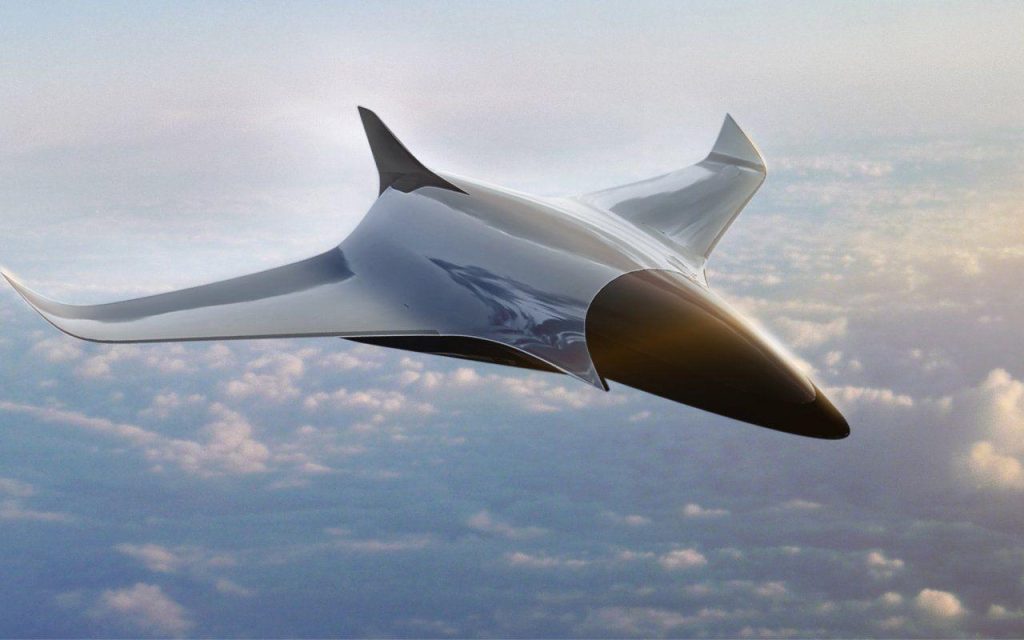
The luxury aviation industry is constantly evolving, with cutting-edge technologies playing a pivotal role in shaping the experience for the world’s elite travelers. Today’s luxury jets are more than just modes of transport; they represent the maximum experience of engineering, design, and comfort. From smart cabins to sustainable aviation technologies, private jet manufacturers are introducing innovative solutions that elevate the flying experience.
In this detailed analysis, we’ll explore the most revolutionary technologies defining the future of luxury jets, comparing various innovations from leading manufacturers. Whether you’re a seasoned jet owner or a tech enthusiast, understanding these advancements will provide a comprehensive insight into what’s next in the world of private aviation.
Cutting-Edge Jet Technologies
- Advanced Propulsion Systems
The heart of every luxury jet is its propulsion system. Manufacturers are constantly innovating to increase efficiency, range, and sustainability, while also enhancing performance.
Hybrid-Electric Propulsion: As part of the industry’s commitment to sustainability, hybrid-electric propulsion systems are gaining traction. Hybrid-electric engines combine traditional jet engines with electric motors to reduce carbon emissions and fuel consumption. This combination not only makes air travel more sustainable but also contributes to a quieter and more efficient flight.
Next-Gen Turbo-Fan Engines: Modern luxury jets are being equipped with high-bypass turbofan engines that offer more power with less fuel consumption. These engines use advanced materials like titanium and composites, reducing weight and improving performance.
Ultra-Low Emission Systems: With increasing focus on sustainability, luxury jets are incorporating emission-reducing technologies. Low-emission engines and fuel additives are being developed to meet more stringent environmental regulations and reduce the aviation industry’s overall carbon footprint.
- Intelligent Cabin Systems
A luxury jet is as much about the passenger experience as it is about speed and efficiency. Cabin technologies are transforming how passengers interact with their environment during flights, making their journey more comfortable, convenient, and connected.
Smart Glass Windows: Many luxury jets now feature electrochromic windows that allow passengers to adjust the level of tint, reducing sunlight glare and enhancing privacy. This technology also improves the temperature control within the cabin by minimizing heat transfer from the outside.
Mood Lighting and Biometric Controls: Modern jets offer customizable lighting systems that can adjust to match the passenger’s preferred mood or time of day. Some jets are also incorporating biometric sensors to adjust cabin conditions based on individual preferences. These systems can track vital signs and adjust the air quality, temperature, and lighting accordingly for maximum comfort.
Integrated Entertainment Systems: Luxury jets now feature state-of-the-art entertainment systems, including high-definition screens, personalized media libraries, and high-quality sound systems. Virtual reality (VR) is also making its way into private aviation, offering immersive entertainment during flights.
Fully Integrated Smart Controls: Passengers can now control every aspect of the cabin environment through smart devices like tablets and smartphones. From controlling temperature and lighting to adjusting seats and entertainment options, everything is streamlined for maximum ease of use.
- Fly-by-Wire Technology and Autonomous Flight Systems
One of the most notable advancements in aviation is the move towards autonomous flight and fly-by-wire technology. These systems reduce the complexity of aircraft control while enhancing safety and efficiency.
Fly-by-Wire Systems: Instead of using mechanical linkages, fly-by-wire systems use electronic controls to manage flight movements. This reduces weight, increases precision, and provides greater safety and reliability. The use of digital flight controls also allows for more responsive handling and better performance in various flight conditions.
Autonomous Flight Systems: While fully autonomous flight is still in its early stages, jets are increasingly equipped with advanced autopilot systems that can handle critical aspects of flight, including navigation, takeoff, and landing. These systems continuously monitor weather conditions, air traffic, and aircraft status, and adjust flight paths for optimal performance.
- Sustainable Aviation Solutions
Sustainability has become a primary concern for the aviation industry, and luxury jets are no exception. As the demand for environmentally conscious travel grows, manufacturers are increasingly focusing on developing sustainable aviation solutions.
Biofuels and Sustainable Aviation Fuels (SAFs): Many luxury jets now support sustainable aviation fuels (SAFs), which are made from renewable resources like biofuels, algae, and waste oils. SAFs have a significantly lower carbon footprint than traditional jet fuels and can help reduce greenhouse gas emissions during flight.
Carbon Offsetting: Many luxury jet owners and manufacturers are incorporating carbon offset programs to neutralize the environmental impact of flights. These programs invest in projects that reduce or capture carbon emissions, such as renewable energy initiatives, reforestation, and carbon capture technologies.
Lightweight Materials: To reduce fuel consumption and improve fuel efficiency, manufacturers are using lightweight materials such as carbon fiber and titanium in jet construction. These materials help reduce the overall weight of the aircraft, enhancing performance and efficiency.
- Enhanced Safety Features
Safety is always a top priority in aviation, and the latest luxury jets come equipped with some of the most advanced safety systems ever developed.
Collision Avoidance Systems: New collision avoidance systems use radar and satellite technologies to monitor the airspace around the jet and detect any potential hazards. These systems automatically adjust the flight path to avoid collisions with other aircraft or obstacles.
Advanced Turbulence Detection: Advanced turbulence detection systems use weather radar and AI algorithms to predict areas of turbulence, allowing pilots to avoid rough patches in the air. This ensures a smoother and more comfortable flight for passengers.
Emergency Autoland Systems: Some luxury jets are equipped with emergency autoland systems, which can safely land the aircraft in the event of a pilot incapacitation. These systems use advanced sensors, GPS, and autopilot technologies to safely guide the jet to the nearest airport.
Comparing Top Luxury Jets with Cutting-Edge Technologies
- Gulfstream G700
Propulsion: Equipped with advanced turbofan engines for superior speed and range.
Cabin Technology: Features electrochromic windows, personalized lighting, and integrated entertainment systems.
Autonomous Systems: Includes fly-by-wire technology and advanced autopilot systems.
- Bombardier Global 7500
Propulsion: Features high-efficiency turbofan engines for reduced fuel consumption.
Cabin Technology: Includes smart cabin controls, customizable lighting, and advanced soundproofing for a quieter experience.
Sustainability: Supports sustainable aviation fuels (SAFs) and incorporates biofuels into its operations.
- Dassault Falcon 8X
Propulsion: Equipped with high-bypass turbofan engines for a balance of power and fuel efficiency.
Cabin Technology: Offers a luxurious cabin with biometric temperature controls and customized seating options.
Safety: Includes collision avoidance systems and advanced turbulence detection.
Conclusion
The latest luxury jet technologies are transforming the way passengers experience air travel. From advanced propulsion systems and smart cabins to autonomous flight and sustainability initiatives, these innovations ensure that luxury aviation remains at the cutting edge of comfort, performance, and safety. As manufacturers continue to push the boundaries of what’s possible, the future of private aviation promises even more luxurious, efficient, and sustainable travel options for the elite.


