


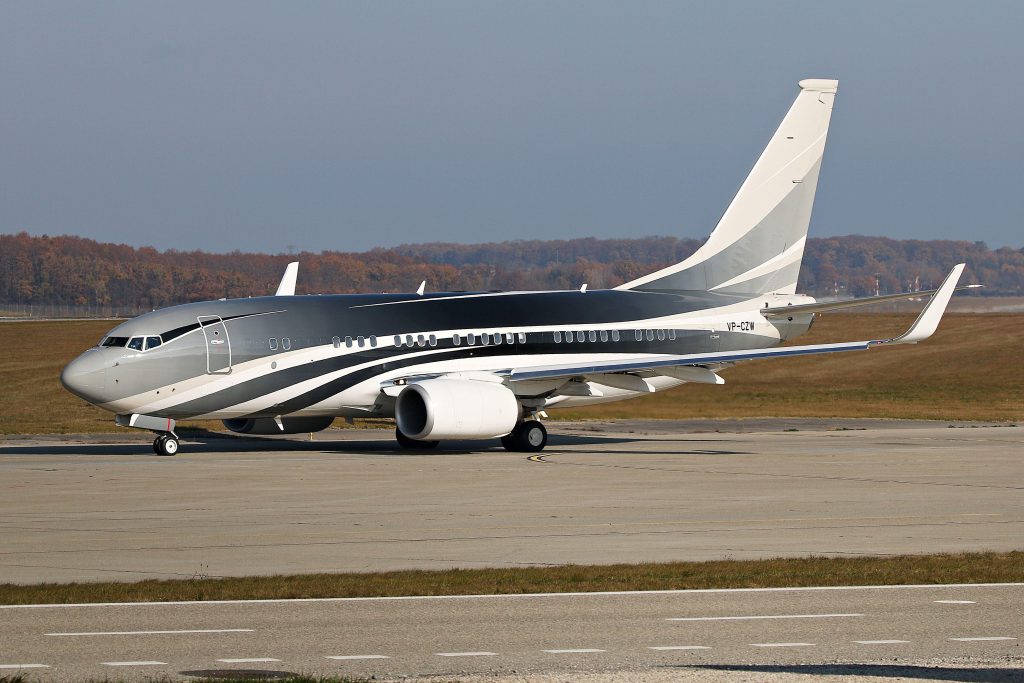
The world of luxury aviation has undergone significant transformations in recent years. As technology continues to evolve, modern luxury jets are becoming more than just a means of transportation; they represent the maximum experience of innovation, seamlessly blending advanced technologies, cutting-edge avionics, unparalleled comfort, and exceptional performance. The demand for private jets that offer both elite travel experiences and state-of-the-art technology has surged, with manufacturers consistently raising the bar for what is possible in the skies.
This article delves deep into the latest technological innovations that are shaping the future of luxury jet travel, examining key features in performance, comfort, and sustainability that define the most advanced jets on the market today. Whether it’s aviation electronics, advanced materials, or intelligent systems, we will explore how these innovations are making luxury jets more efficient, environmentally friendly, and, of course, luxurious.
The Evolution of Jet Technology: A Look Back
To fully appreciate the innovations present in today’s luxury jets, it’s helpful to take a look at the history of aviation technology. The evolution of private aviation has been driven by the need for greater speed, safety, comfort, and efficiency. Early jets were relatively basic in their technological capabilities, focusing primarily on the mechanics of flight. However, as air travel became more accessible and widespread, the industry began to integrate more advanced systems, both in the cockpit and the cabin.
In the early 2000s, the introduction of fly-by-wire technology, glass cockpits, and advanced avionics marked the beginning of a new era in aviation. These innovations allowed for more precise control and enhanced safety. Fast forward to the present day, and the technology in luxury jets has expanded to include everything from sustainable fuel options to autonomous flying capabilities.
Key Technological Innovations in Modern Luxury Jets
The luxury jet industry is constantly evolving, and several key innovations have emerged that are pushing the boundaries of what is possible in private aviation. Let’s take a closer look at some of the most notable advancements in jet technology.
- Advanced Avionics and Cockpit Technology
Avionics has become a crucial part of modern luxury jets, not only in enhancing the performance and safety of aircraft but also in improving the pilot’s experience. Glass cockpits, fly-by-wire technology, and automated flight systems have all contributed to more intuitive operations and efficiency in the air.
Glass Cockpits: Modern jets now feature digital cockpits with large high-definition displays that provide real-time data about flight conditions, weather, navigation, and performance metrics. This allows pilots to make better-informed decisions, improving both safety and efficiency. Gulfstream and Bombardier have been leaders in integrating glass cockpit technology in their jets.
Fly-By-Wire Technology: This innovation replaces traditional mechanical flight controls with an electronic system that translates the pilot’s inputs into digital signals. This leads to more precise handling and lighter control systems, while also allowing for advanced flight features such as auto-thrust and auto-landing. Dassault and Airbus have implemented fly-by-wire in their jets, resulting in smoother and more predictable flights.
Automated Flight Systems: Modern jets are equipped with autopilot systems that can handle a wide range of flight tasks, from navigation to altitude adjustments, and even landing. This reduces pilot workload and enhances flight safety. Some of the newest jets, such as the Gulfstream G700, even feature autonomous flight capabilities, which may revolutionize the industry in the near future.
- Luxurious Cabin Innovations
The cabin of a luxury jet has always been a focal point for both design and technology, with advanced comfort and convenience always being top priorities. Modern luxury jets are equipped with the most innovative features, blending comfort and style with the latest technologies to create an exceptional flying experience.
Noise Reduction Technology: Noise reduction is one of the most important considerations for luxury jet cabins, and manufacturers have gone to great lengths to reduce ambient noise during flight. Gulfstream has introduced soundproofing technology in the G700, offering a near-silent cabin. Additionally, active noise cancellation and vibration-dampening materials ensure that passengers can enjoy a peaceful, quiet flight.
Smart Cabin Control Systems: Modern jets feature smart systems that allow passengers to control lighting, temperature, and entertainment systems with ease. These centralized cabin management systems can be operated through touchscreens or even voice commands, making it easy to create the ideal environment during the flight. Jets like the Gulfstream G800 and the Bombardier Global 7500 incorporate intuitive systems for passengers to tailor their experience on board.
Fully Integrated Entertainment Systems: Luxury jets offer the most advanced entertainment options available. Passengers can access streaming services, on-demand movies, games, and even virtual reality experiences in some cases. Systems like Gulfstream’s Cabin Management System and Bombardier’s Aerospace Entertainment Platform are becoming standard, ensuring passengers are never bored during their travels.
Customizable Interiors: As technology improves, jet manufacturers are offering even more personalized options for jet interiors. From reconfigurable seating arrangements to unique furniture designs, the interior of a jet can be customized to fit the exact preferences of the owner. Dassault Falcon jets, for example, are known for their highly customizable interiors, allowing owners to choose from a wide range of materials and finishes.
- Sustainability and Eco-Friendly Innovations
As concerns about the environmental impact of aviation continue to grow, the luxury jet industry is beginning to embrace more sustainable technologies. The goal is to reduce the carbon footprint of private aviation while maintaining the level of performance and luxury expected by high-net-worth travelers.
Sustainable Aviation Fuel (SAF): One of the most promising developments in the quest for greener aviation is the adoption of Sustainable Aviation Fuel (SAF). SAF is made from renewable resources and can reduce carbon emissions by up to 80% compared to traditional jet fuel. Several luxury jet manufacturers have already begun incorporating SAF into their fleets, with Gulfstream and Bombardier leading the way in SAF research and adoption.
Electric and Hybrid-Electric Jets: The push toward electric propulsion in luxury jets is gaining momentum. While fully electric jets are still in development, hybrid-electric propulsion systems are already being tested in smaller jets. The Alice eVTOL from Israel’s Electric Aviation and Volocopter’s electric air taxis are early examples of this technology, which promises to revolutionize the aviation industry by significantly reducing emissions.
Lightweight Materials: Another innovation that contributes to sustainability is the use of lightweight composite materials in the construction of luxury jets. By utilizing carbon fiber and other advanced materials, jet manufacturers are able to reduce the overall weight of the aircraft, leading to improved fuel efficiency and reduced emissions.
- Enhanced Flight Performance and Efficiency
Performance remains a top priority for luxury jet manufacturers, and modern jets are equipped with the latest technologies to ensure optimal efficiency, speed, and safety.
Advanced Engine Technology: Modern luxury jets feature next-gen engines that offer better fuel efficiency, lower emissions, and higher speeds. The Gulfstream G700, for example, is powered by Pearson-10 engines, which provide a faster and more fuel-efficient flight compared to previous engine models.
Improved Aerodynamics: Advances in aerodynamic design are another key factor in improving the performance of luxury jets. Manufacturers are using computational fluid dynamics (CFD) simulations to optimize the shape of the aircraft for better lift, reduced drag, and greater overall performance. The Dassault Falcon 8X, with its highly efficient wing design, is an excellent example of how aerodynamic improvements can boost jet performance.
Autonomous Flying Features: The next frontier in jet technology is the integration of autonomous flying capabilities. Gulfstream and Bombardier have already begun experimenting with autonomous flight systems in some of their most advanced jets. The potential for fully autonomous luxury jets could revolutionize the industry, offering unparalleled convenience and efficiency.
Conclusion: The Future of Luxury Jet Technology
The future of luxury aviation is poised to be shaped by continued advancements in technology, sustainability, and luxury design. As aviation technology continues to evolve, we can expect to see even more innovative features that combine speed, efficiency, and comfort with cutting-edge electronics, eco-friendly practices, and personalized luxury. From advanced avionics to sustainable fuel solutions, the future of luxury jets promises to be as dynamic and thrilling as the passengers who fly in them.
As the demand for private jets grows and the desire for premium experiences increases, the luxury jet industry will continue to push the boundaries of what is possible, ensuring that the next generation of aviation technology is better, faster, greener, and more luxurious than ever before.


