


The world of luxury jets is evolving rapidly, driven by advancements in technology and innovations that redefine air travel. Today’s luxury jets combine the finest materials, state-of-the-art engineering, and next-generation technologies to provide an unparalleled flying experience. As the aviation industry continues to innovate, the expectations of high-net-worth individuals and corporate leaders are higher than ever. This article delves into the latest trends in luxury jet technology and how these developments are setting new benchmarks for comfort, performance, and efficiency.
The Technological Evolution of Luxury Jets
In the past few decades, private jets have undergone significant transformations. Gone are the days when a jet was simply a means of getting from one destination to another. Modern luxury jets are sophisticated machines that blend cutting-edge technology with lavish interiors. These jets now offer enhanced performance, advanced safety features, improved fuel efficiency, and an array of luxury amenities designed to maximize passenger comfort.
From electric engines to advanced avionics and innovative cabin designs, the latest luxury jets showcase technological breakthroughs that elevate the overall flying experience. The increasing use of eco-friendly materials and energy-efficient engines also speaks to a growing trend toward sustainability in private aviation. Let’s explore some of the most prominent trends in modern luxury jet technology.
- Sustainable Aviation: Eco-Friendly Innovations
As global environmental concerns grow, the aviation industry is increasingly focusing on sustainability. Luxury jet manufacturers are working to reduce their carbon footprints, integrating eco-friendly technologies to make flying more energy-efficient and environmentally conscious. Several trends in sustainable aviation have emerged in the luxury jet market, setting the stage for a greener future in private travel.
Electric and Hybrid Engines
One of the most exciting advancements in jet technology is the development of electric and hybrid engines. While fully electric jets are not yet in mainstream production, companies like Eviation Aircraft are pioneering all-electric planes that aim to revolutionize short-distance flights. These aircraft promise to reduce both fuel consumption and emissions significantly, offering a more sustainable alternative to conventional jet engines.
Hybrid engines, which combine traditional jet fuel with electric propulsion systems, are another promising development. These engines are designed to reduce fuel consumption during cruise and lower emissions during takeoff and landing, making them ideal for short-haul flights. This hybrid technology is already being tested in aircraft like the Hybrid Airliner, which could offer private jet owners a more eco-friendly option without compromising on performance or comfort.
Sustainable Jet Fuel (SAF)
Sustainable Aviation Fuel (SAF) is a biofuel alternative that can significantly reduce carbon emissions compared to traditional jet fuels. Many luxury jet manufacturers are incorporating SAF into their designs, allowing their aircraft to run on cleaner, renewable energy sources. SAF is compatible with existing jet engines, meaning that it can be used in both new and older models without requiring major modifications.
The growing adoption of SAF in private aviation is a positive step toward reducing the environmental impact of luxury jet travel. Aircraft such as the Bombardier Global 7500 are already testing and using SAF, and this trend is expected to continue as demand for sustainable aviation options increases.
- Advanced Avionics and Automation
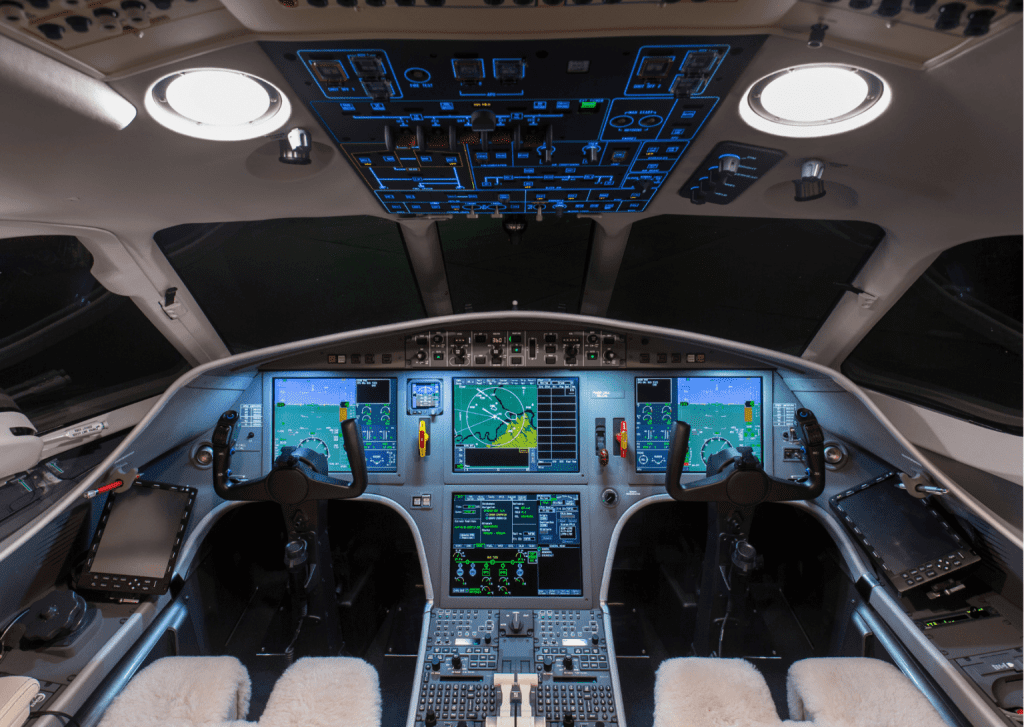
The role of technology in improving flight safety, navigation, and overall efficiency has grown immensely. Modern luxury jets are equipped with advanced avionics systems that enhance pilot control, automate many flight processes, and increase situational awareness during flights.
Autopilot Systems and AI Integration
One of the most impressive technological advancements in luxury jets is the integration of autopilot systems powered by artificial intelligence (AI). These systems allow aircraft to fly with minimal human intervention, automatically adjusting flight paths, speeds, and altitudes based on real-time weather data and air traffic control instructions. By using AI, these jets can also predict potential issues and offer solutions before they become critical.
In addition, some luxury jets, like the Gulfstream G700, feature Active Control Sidestick technology, which allows pilots to fly the jet with more precision and ease, making the aircraft more responsive to slight adjustments during flight. These advances make the entire flight experience smoother and safer, both for passengers and crew.
Synthetic Vision Systems
Synthetic Vision Systems (SVS) are another groundbreaking avionics technology that is revolutionizing how pilots navigate the skies. SVS uses 3D terrain mapping and real-time data to provide pilots with a clear, virtual view of the environment, even in low visibility conditions like fog or thunderstorms. This advanced technology helps pilots make more informed decisions, increasing flight safety and reducing the risk of accidents caused by poor visibility.
The Dassault Falcon 8X and Bombardier Global 7500 are examples of aircraft that incorporate synthetic vision, allowing pilots to navigate with greater precision, especially in challenging weather conditions.
- Enhanced Cabin Comfort: The Ultimate in Luxury
While performance and safety are paramount, the luxury jet industry is also focused on elevating passenger comfort to new heights. From advanced cabin designs to innovative amenities, modern jets are customized to provide an extraordinary level of comfort for their passengers.
Noise Reduction Technology
One of the primary concerns for passengers flying in luxury jets is cabin noise. While private jets are generally quieter than commercial aircraft, manufacturers are constantly innovating to reduce noise even further. Modern luxury jets like the Gulfstream G650ER and Bombardier Global 7500 are equipped with advanced noise reduction technologies that minimize the sound of engine noise, turbulence, and airframe vibrations, creating a tranquil flying experience.
These aircraft utilize materials like acoustic insulation and advanced cabin pressurization systems to ensure a quiet, relaxing environment, allowing passengers to rest, work, or entertain in complete comfort.
Fully Customizable Interiors
Luxury jet manufacturers are offering more customization options than ever before, allowing owners to tailor their jets to meet their specific needs. The ability to personalize every aspect of the jet’s interior, from the seats and upholstery to the lighting and flooring, gives owners the opportunity to create a space that reflects their personal tastes and preferences.
Jets like the Embraer Lineage 1000E and Boeing Business Jet (BBJ) 787 offer fully customizable interiors, which can include everything from a private office and entertainment zones to full bedrooms and bathrooms. Whether it’s adding a jacuzzi, a high-end sound system, or an art collection, the interior design of a luxury jet is a canvas for innovation.
Next-Generation In-Flight Connectivity
The demand for high-speed internet and uninterrupted connectivity in the air has never been higher. Today’s luxury jets are equipped with satellite-based internet systems that enable passengers to stay connected no matter where they are in the world. These systems allow for fast and reliable communication, streaming, and even video conferencing.
The Gulfstream G650ER and Dassault Falcon 8X are examples of aircraft that provide seamless internet connectivity, ensuring that passengers can work, communicate, or stay entertained throughout their flight.
- Next-Generation Materials for Performance and Durability
Another important trend in modern luxury jets is the use of advanced materials that improve performance, reduce weight, and enhance durability. These materials allow luxury jets to fly further, faster, and more efficiently than ever before.
Carbon Fiber and Composite Materials
Modern jets are increasingly constructed using carbon fiber and other composite materials. These lightweight materials help reduce the overall weight of the aircraft, which in turn improves fuel efficiency and allows for longer flight ranges. Additionally, composite materials are highly resistant to corrosion, increasing the durability and lifespan of the aircraft.
The Gulfstream G700 and Bombardier Global 7500 are both examples of aircraft that utilize carbon fiber and composite materials in their construction, enhancing performance without compromising luxury.
Advanced Aerodynamics
In addition to lightweight materials, advanced aerodynamic designs are being used to improve the efficiency and performance of luxury jets. The use of winglets, optimized fuselage shapes, and other design elements helps reduce drag and improve fuel efficiency, leading to faster flight times and lower operating costs.
Jets like the Dassault Falcon 8X and Gulfstream G650ER incorporate these cutting-edge aerodynamic features, ensuring that they remain at the forefront of modern aviation.
- The Future of Luxury Jet Technology
As technology continues to advance, the luxury jet industry will undoubtedly see even more innovations. We can expect to see further developments in electric propulsion, autonomous flight, and enhanced cabin experiences that will redefine the future of private aviation. The growing trend toward sustainability will likely result in even more eco-friendly jets, while advancements in connectivity, safety, and comfort will make flying in luxury jets an even more seamless and enjoyable experience.
In conclusion, the technological trends explored in this article highlight the rapid advancements taking place in the world of luxury aviation. Whether it’s the eco-friendly innovations, enhanced performance features, or cutting-edge cabin amenities, modern luxury jets are pushing the boundaries of what’s possible in air travel. With each new development, the standard for luxury in the skies is raised higher, ensuring that the future of private aviation is as thrilling as it is luxurious.


