


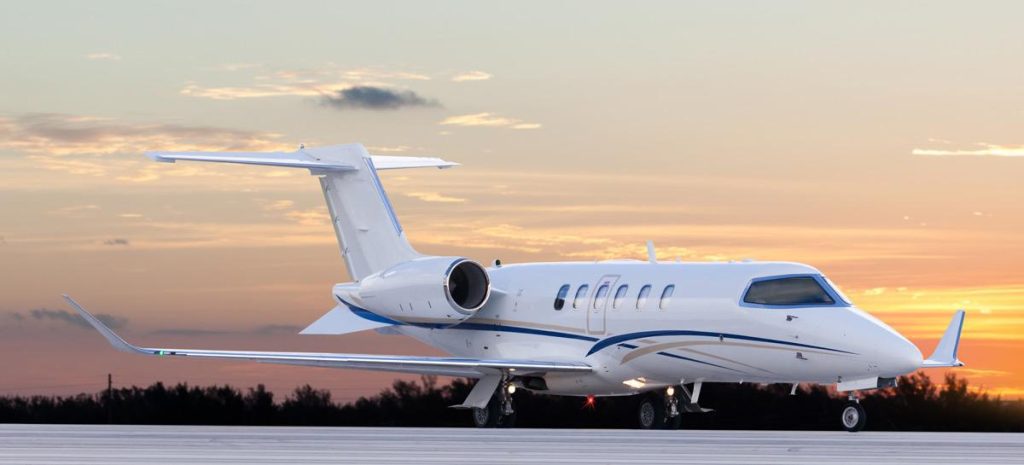
The world of luxury jets is undergoing a transformation, fueled by groundbreaking technological advancements that are reshaping the private aviation industry. From high-performance engines to cutting-edge aerodynamics and interior designs, the latest trends in jet technology are setting new benchmarks for the future of private air travel. This detailed analysis will delve into the current trends that are driving the evolution of luxury jets, comparing the best models on the market to help you understand what’s truly defining the elite aviation experience.
- Next-Gen Engine Technology: Revolutionizing Jet Performance
The core of any luxury jet is its engine technology, and recent advancements are pushing the limits of what’s possible in terms of speed, efficiency, and sustainability. The shift toward new-generation engines has a direct impact on the performance of private aircraft, including improved fuel efficiency, longer range, and reduced environmental impact.
Pratt & Whitney PW800 Engines: Found in the Gulfstream G500 and G600, the PW800 engines represent a major leap forward in engine technology. These engines are designed for better fuel efficiency, quieter operations, and improved emissions. The PW800 provides greater thrust while also significantly reducing fuel consumption, making it an ideal choice for luxury jets aiming to combine performance with sustainability.
Rolls-Royce Pearl 700 Engines: Featured in the Bombardier Global 7500, the Rolls-Royce Pearl 700 is a high-performance engine that combines power with fuel efficiency. This engine offers a significant reduction in emissions compared to older models, ensuring that luxury jets are not only highly efficient but also environmentally conscious. The Pearl 700 engine enables the Global 7500 to achieve exceptional performance, including long-range capabilities and high-speed cruising.
Honeywell HTF7000: This engine, found in jets such as the Gulfstream G650ER and Bombardier Global 6000, is renowned for its ability to balance high performance with low operational costs. The HTF7000 is a favorite among manufacturers for its fuel efficiency and reduced maintenance needs, making it a long-term, reliable choice for luxury jets that prioritize both economy and speed.
- Aerodynamic Design: Shaping the Future of Luxury Jets
The aerodynamic design of a jet plays a pivotal role in enhancing fuel efficiency, speed, and overall performance. Manufacturers are increasingly turning to innovative designs to improve the efficiency of their aircraft while maintaining high-speed capabilities. The integration of advanced winglets, laminar flow technology, and lightweight materials ensures that modern jets provide a balance between high performance and sustainable operation.
Winglets and Advanced Aerodynamics: Modern luxury jets, like the Gulfstream G700 and Bombardier Global 7500, incorporate advanced winglets, vertical extensions of the aircraft’s wings designed to improve aerodynamic efficiency. These winglets help reduce drag, thereby improving fuel economy and increasing range. The Global 7500’s winglet technology is particularly effective at reducing fuel burn, which enables long-haul flights to be more cost-effective and sustainable.
Laminar Flow Technology: Laminar flow is a method used to create a smoother airflow over an aircraft’s surface, reducing drag and increasing fuel efficiency. Aircraft like the Dassault Falcon 8X utilize laminar flow technology, which not only improves fuel economy but also enhances speed and stability. By smoothing out the airflow, these jets are able to achieve superior performance, allowing for faster and more efficient travel.
Lightweight Materials: The use of lightweight composite materials has become a significant trend in luxury jet construction. Jets like the Bombardier Global 7500 incorporate materials such as carbon fiber and advanced composites that are stronger yet lighter than traditional metals. This reduction in weight improves the fuel efficiency of the aircraft and enhances its range and speed while also contributing to a quieter flight experience.
- Cabin Technology and Passenger Comfort: The New Standard in Luxury Aviation
While jet performance is essential, the comfort and luxury of passengers are at the heart of any private aviation experience. The latest advancements in cabin technology aim to elevate the flying experience, making long-haul flights as comfortable as possible.
Low Cabin Altitude and Air Quality: One of the most significant developments in modern luxury jets is the ability to maintain a low cabin altitude throughout the flight. Aircraft like the Gulfstream G700 and Bombardier Global 7500 feature cabins with altitudes equivalent to 4,850 feet, far lower than traditional commercial jets. This low altitude helps combat the common fatigue that passengers experience during high-altitude flights. Moreover, these jets have enhanced air filtration systems that keep the cabin air clean, ensuring passengers remain comfortable during extended flights.
Noise Reduction and Cabin Pressurization: Advances in noise reduction and cabin pressurization are becoming more widespread in luxury aviation. Jets like the Dassault Falcon 8X feature soundproofing technologies that make the cabin remarkably quiet, allowing passengers to enjoy a peaceful environment for work, rest, or entertainment. Additionally, the advanced pressurization systems in jets like the Global 7500 improve overall cabin comfort, reducing the discomfort often associated with high-altitude flying.
Customizable Interiors: Today’s luxury jets offer fully customizable interiors that cater to the specific tastes and needs of their owners. Passengers can select from a wide range of materials, furnishings, and configurations, including full-sized beds, private offices, and even spa-like bathrooms. Manufacturers like Gulfstream and Bombardier work closely with clients to create a personalized space that blends cutting-edge technology with luxury.
Smart Cabin Features: The future of luxury jet interiors will see the rise of smart cabin features that allow passengers to control various aspects of the cabin environment, such as lighting, temperature, and entertainment, using voice commands or mobile devices. Systems like Gulfstream’s G700 cabin management system enable seamless interaction with the environment, enhancing the overall experience of travel.
- Sustainability and Environmental Considerations: Green Jet Technologies
As the aviation industry faces increasing pressure to reduce its carbon footprint, luxury jet manufacturers are embracing green technologies that minimize the environmental impact of private aviation. From sustainable fuel options to more efficient engine designs, manufacturers are exploring innovative solutions to make luxury air travel more eco-friendly.
Sustainable Aviation Fuel (SAF): One of the key innovations in the drive for more sustainable aviation is the use of Sustainable Aviation Fuel (SAF). SAF is produced from renewable resources, including plant oils, agricultural waste, and even algae. By adopting SAF, luxury jets can drastically reduce their carbon emissions, making private aviation a more environmentally responsible option. Manufacturers like Gulfstream and Bombardier are increasingly focusing on integrating SAF into their jet engines, reducing the carbon footprint of luxury flights.
Hybrid and Electric Jets: Another avenue for green technology is the development of hybrid and electric aircraft. While still in the early stages, companies like Vertical Aerospace and Lilium are working on electric vertical takeoff and landing (eVTOL) aircraft that could change the way we think about private aviation. These aircraft promise to be quieter, more efficient, and more environmentally friendly, offering a glimpse into the future of green luxury aviation.
Optimized Flight Paths and Efficiency: Advanced flight planning technologies are also helping luxury jets operate more efficiently. By using real-time data to optimize flight paths, jet operators can reduce fuel consumption and improve aircraft efficiency. This is particularly useful for reducing the environmental impact of long-haul flights and maximizing the performance of luxury jets.
- The Future of Jet Technology: What’s Next for Luxury Aviation?
The luxury jet industry is always evolving, with new technologies on the horizon that promise to further transform the world of private aviation. Key trends to look out for in the future include:
Supersonic Jets: Supersonic air travel is making a comeback, with companies like Boom Supersonic and Aerion Supersonic developing jets that can fly at speeds over Mach 2. This would drastically cut flight times, making global travel more efficient than ever before.
Autonomous Jets: The rise of autonomous aviation could revolutionize private jets, with aircraft capable of flying without human pilots. This would reduce operating costs and increase safety, allowing more people to experience luxury air travel in the future.
Smart Interiors and AI Integration: The use of artificial intelligence and smart systems in jet interiors will continue to evolve. In the future, jets will become even more intelligent, with systems capable of learning passengers’ preferences and adapting to provide a personalized flying experience.
Conclusion: The Future is Bright for Luxury Jet Technology
The luxury jet industry is embracing a future driven by cutting-edge technological innovations. From advanced engines and aerodynamic designs to sustainable fuel solutions and luxury interiors, the technology behind today’s luxury jets is setting new standards for performance and comfort. As these trends continue to evolve, private aviation will become faster, more efficient, and more sustainable, ensuring that the future of luxury jet travel is brighter than ever before.


