


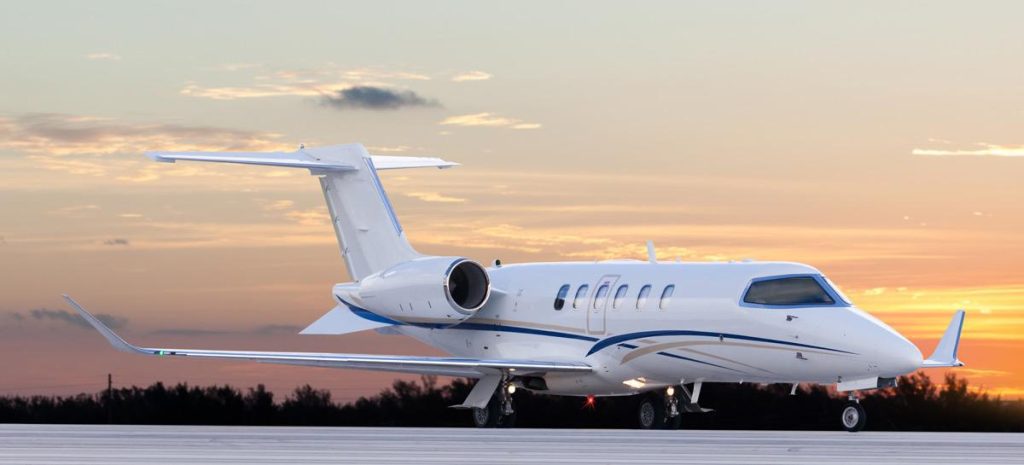
The world of private jets has seen remarkable advancements in technology, pushing the boundaries of aviation and redefining what luxury, comfort, and efficiency mean in the sky. From advanced aerodynamics and fuel efficiency to the latest cockpit systems and in-flight entertainment technologies, the jet industry is evolving faster than ever before.
This comparative analysis explores the most prominent jet technology trends shaping the aviation landscape, examining the innovations that are setting new benchmarks for luxury jets, from speed and performance to comfort and sustainability. We will take a closer look at the latest technologies implemented in the world’s most exclusive jets, comparing their features and understanding how they contribute to a superior flying experience.
- Advanced Aerodynamics: Efficiency Meets Performance
Aerodynamics have always been at the core of jet design, and modern luxury jets are pushing the envelope with more aerodynamic shapes, lighter materials, and advanced wing designs. These innovations not only improve the efficiency of the jets but also enhance their speed and range.
Key Trends
Winglets and Composite Materials: Winglets, the vertical extensions at the end of the wings, are becoming a common feature in modern jets, contributing to fuel savings and improved lift. Additionally, composite materials are being used extensively to reduce aircraft weight, enhancing both fuel efficiency and performance.
Wing Flex Technology: Some of the most advanced luxury jets, such as the Gulfstream G700, utilize wing flex technology, which allows the wings to adapt to changing aerodynamic pressures during flight. This improves overall stability and comfort by reducing turbulence for passengers.
Jet Models Leading the Trend
Gulfstream G700: Equipped with advanced wing design and lightweight composite materials, the G700 is a prime example of how aerodynamics can enhance both performance and passenger comfort.
Bombardier Global 7500: This jet utilizes advanced aerodynamic technologies and features highly efficient winglets, contributing to its long-range capabilities and smooth flight experience.
- Cockpit Technology: Revolutionizing Flight Management
Modern jet cockpits are increasingly sophisticated, integrating cutting-edge technology to support pilots in managing aircraft systems more effectively. The inclusion of digital flight controls, autonomous systems, and AI-powered interfaces has made flying easier and safer.
Key Trends
Autonomous Systems: While fully autonomous flight is still on the horizon, many jets today feature advanced autopilot systems that can control flight operations, such as altitude adjustments, route planning, and emergency handling, all with minimal pilot input.
Digital Flight Decks: The Symmetry Flight Deck in the Gulfstream G700 and Bombardier Global 7500’s Vision Flight Deck are examples of how digital cockpits are replacing traditional analog systems. These systems provide touchscreen controls, high-definition displays, and augmented reality to improve pilot decision-making.
Jet Models Leading the Trend
Gulfstream G700: The Symmetry Flight Deck provides intuitive and simplified cockpit controls, using touchscreen interfaces and augmented reality displays to help pilots manage complex systems easily.
Bombardier Global 7500: The Vision Flight Deck offers enhanced pilot situational awareness and provides digital flight control systems that can optimize flight performance in real-time.
- In-Flight Entertainment and Connectivity: Sky-High Luxury
Modern luxury jets prioritize the passenger experience, particularly when it comes to in-flight entertainment and connectivity. As the demand for uninterrupted, seamless communication and entertainment grows, manufacturers are incorporating more advanced technologies that allow passengers to enjoy a fully connected flight experience.
Key Trends
High-Speed Internet and Streaming: Jets today are equipped with high-speed satellite internet connections, allowing passengers to access HD video streaming, video conferencing, and stay connected to the world while airborne.
Virtual Reality and Augmented Reality: Some luxury jets offer virtual reality (VR) or augmented reality (AR) experiences, giving passengers the ability to immerse themselves in a virtual environment, from entertainment to relaxation experiences during the flight.
Integrated Entertainment Systems: With the latest touchscreen technology, passengers can control lighting, temperature, and entertainment directly from their seats, making the in-flight experience highly customizable.
Jet Models Leading the Trend
Gulfstream G700: The G700 offers high-speed connectivity through satellite communication systems, as well as a premium entertainment suite, including virtual reality headsets and immersive viewing experiences.
Embraer Lineage 1000E: This mid-sized jet provides cutting-edge in-flight entertainment systems with interactive screens and streaming capabilities for an enjoyable journey.
- Engine Technology: Fuel Efficiency and Sustainability
As sustainability becomes an increasingly important consideration in aviation, jet engines have undergone significant improvements in fuel efficiency and emissions reduction. Today’s luxury jets incorporate next-generation engines designed to optimize fuel consumption while reducing carbon footprints.
Key Trends
Hybrid-Electric Propulsion: While hybrid-electric propulsion is still in its infancy, manufacturers are exploring ways to integrate electric systems into jet engines to improve fuel efficiency and reduce emissions.
Sustainable Aviation Fuel (SAF): Many private jets are now capable of using Sustainable Aviation Fuel (SAF), a greener alternative to traditional jet fuel. SAF reduces carbon emissions by up to 80% compared to conventional jet fuel.
Engine Performance and Efficiency: Modern engines are designed to provide greater fuel efficiency, ensuring that luxury jets can travel longer distances without sacrificing performance or comfort.
Jet Models Leading the Trend
Gulfstream G700: Powered by Rolls-Royce Pearl 700 engines, the G700 provides exceptional fuel efficiency and is compatible with SAF, contributing to a more sustainable flying experience.
Bombardier Global 7500: With its Pratt & Whitney PW815 engines, the Global 7500 boasts lower fuel consumption rates and offers compatibility with SAF, reducing the environmental impact of each flight.
- Cabin Innovations: Maximizing Comfort and Productivity
The cabin experience in a luxury jet is just as important as performance, with a growing emphasis on passenger comfort, personalization, and productivity during flights. As technology continues to evolve, so does the way jets are designed to accommodate the needs of discerning travelers.
Key Trends
Customizable Interiors: The latest jets offer bespoke interiors, allowing passengers to choose materials, lighting schemes, and even furniture layouts. High-end jets like the Gulfstream G700 or Dassault Falcon 10X feature ultra-spacious cabins with private suites, conference rooms, and wellness spaces.
Advanced Climate Control and Air Quality: In addition to offering advanced climate control systems, new jets incorporate advanced air filtration and purification systems that improve the air quality in the cabin, creating a more comfortable and healthy environment.
Wellness and Relaxation: Many luxury jets now feature wellness-focused designs, such as massage chairs, spa-style bathrooms, and adjustable lighting to help passengers relax and unwind during their flights.
Jet Models Leading the Trend
Dassault Falcon 10X: The Falcon 10X cabin is known for its height, width, and length, offering customizable features like adjustable lighting and a variety of luxury seating configurations.
Gulfstream G700: The G700 features an advanced air purification system and wellness-focused cabin design, with reclining chairs, personalized temperature controls, and a variety of luxurious amenities.
Conclusion: A New Era in Luxury Jet Technology
The latest luxury jets represent a perfect blend of cutting-edge technology, performance, comfort, and sustainability. As the aviation industry continues to evolve, we can expect even more innovative features that will elevate the flying experience, from advanced aerodynamics and cockpit systems to unparalleled in-flight entertainment and sustainability initiatives.
Whether you are looking for unmatched performance, luxury interiors, or sustainable flight options, these trends highlight the incredible possibilities that technology offers in the world of private aviation. With jets becoming more efficient, more comfortable, and more sustainable, the future of luxury flying has never been more exciting.


