


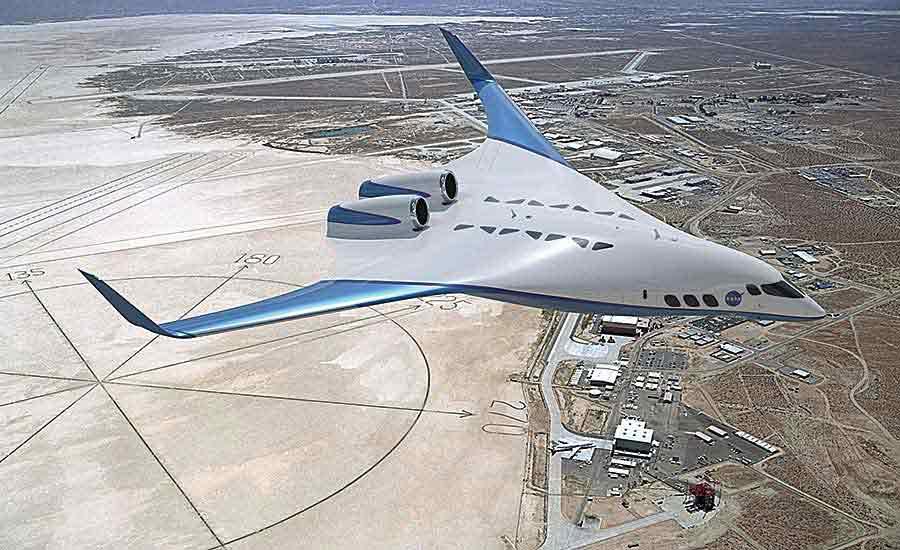
In the rapidly evolving world of luxury aviation, technological advancements are redefining the way elite travelers experience air travel. As the demand for faster, more efficient, and luxurious private jets increases, manufacturers are pushing the envelope with next-generation innovations that promise to elevate the flying experience. This article delves into the emerging trends in jet technology, showcasing the groundbreaking innovations that are shaping the future of luxury air travel.
The Rise of Sustainable Aviation: Green Jet Technologies
One of the most significant trends in the aviation industry today is the push towards sustainability. As climate change concerns grow, both private jet manufacturers and aviation operators are looking for ways to reduce their carbon footprint and make air travel more eco-friendly. This movement is being driven by advancements in green jet technologies that are changing the way jets are designed and powered.
Electric and Hybrid-Electric Jets
While fully electric jets are still in the early stages of development, the potential for electric aviation in the future of luxury travel is immense. Companies like Lilium and Vertical Aerospace are working on electric vertical take-off and landing (eVTOL) aircraft, which could revolutionize urban air mobility and create more sustainable alternatives for short flights. These electric jets are expected to be quieter, more fuel-efficient, and less polluting than traditional jets.
In the realm of luxury aviation, hybrid-electric systems are being explored to reduce the carbon emissions of private jets. By combining traditional jet engines with electric propulsion systems, manufacturers aim to create a more sustainable aircraft without compromising on speed or performance. Hybrid-electric jets could be the perfect solution for short regional flights, offering a green alternative to conventional private jets.
Sustainable Fuel Alternatives
In addition to electric propulsion, the use of sustainable aviation fuel (SAF) is gaining momentum in the aviation industry. SAF is produced from renewable sources like plants, algae, or waste materials and can reduce a jet’s carbon emissions by up to 80% compared to traditional jet fuel. Leading jet manufacturers are already exploring SAF for their aircraft, and it is expected to become a key player in the future of luxury aviation. The widespread adoption of SAF could lead to significant reductions in the environmental impact of private jet travel.
Advanced Materials and Lightweight Design: Maximizing Efficiency
In the pursuit of higher performance and greater efficiency, jet manufacturers are turning to advanced materials to build lighter, stronger, and more aerodynamic aircraft. These materials not only improve fuel efficiency but also enhance safety and comfort.
Carbon Fiber and Composites
The use of carbon fiber and other advanced composite materials in jet construction has grown significantly in recent years. These materials are lightweight yet incredibly strong, allowing for better fuel efficiency and increased durability. Many modern luxury jets, such as the Gulfstream G700 and Bombardier Global 7500, are built using advanced composites, which contribute to their high performance and sleek design.
In addition to carbon fiber, titanium is also being used in the construction of certain high-performance jets. Titanium’s strength-to-weight ratio makes it an ideal material for the engines and structural components of next-gen aircraft, enabling them to withstand the stresses of high-speed travel while maintaining a light weight for improved efficiency.
Aerodynamic Design: Reducing Drag and Boosting Speed
The shape and design of a jet play a crucial role in determining its performance and fuel efficiency. Aircraft manufacturers are continually improving their designs to reduce drag and increase aerodynamic efficiency. Sleeker, more streamlined designs reduce resistance, allowing jets to fly faster and more efficiently.
The next generation of luxury jets will feature even more refined aerodynamic shapes, optimized for both speed and fuel efficiency. With the increasing use of computational fluid dynamics (CFD) and other advanced simulation technologies, manufacturers can fine-tune the design of aircraft to maximize performance while reducing environmental impact.
Smart Jet Interiors: Integrating Cutting-Edge Technology for Ultimate Comfort
As luxury aviation continues to evolve, the focus is not just on performance but also on providing passengers with a truly immersive experience. The next wave of jet interiors will incorporate smart technology, offering unmatched comfort and personalization.
Customizable Cabin Features
The interior of a modern luxury jet is a place where cutting-edge technology meets refined comfort. In the future, passengers can expect even more customizable cabin features, where every detail can be customized to their personal preferences. From lighting and temperature control to seat positioning and ambient sound, passengers will have complete control over their environment.
Interactive touchscreens and voice-activated controls will allow passengers to adjust cabin settings with ease, while smart windows will enable passengers to adjust the level of transparency and light entering the cabin. These technologies will create a more dynamic flying experience, ensuring that each journey is as comfortable as possible.
Enhanced In-Flight Connectivity
As private jets become more integrated with the digital world, in-flight connectivity is set to improve dramatically. High-speed internet will be available on most luxury jets, allowing passengers to stay connected to their business or social circles while in the air. With the advent of satellite-based connectivity and 5G technology, luxury jets will be able to provide internet speeds comparable to those on the ground.
Additionally, augmented reality (AR) and virtual reality (VR) could soon become a part of the in-flight experience, allowing passengers to engage in immersive entertainment, virtual meetings, or even remote work. As the demand for seamless connectivity grows, luxury jets will integrate technologies that allow passengers to stay productive or entertained throughout the flight.
Next-Gen Cockpits: Redefining Pilot and Passenger Interaction
The cockpit of a modern luxury jet is evolving with the integration of autonomous technologies and advanced flight systems. While fully autonomous flights are still a few years away, pilots are already using sophisticated augmented reality (AR) displays and advanced navigation systems to enhance flight safety and efficiency.
Autonomous Flight Systems
While full autonomy is not yet commonplace, many luxury jets are being equipped with advanced autopilot systems that can handle much of the flight for the pilot. These systems can assist with takeoff, landing, and even route optimization, reducing the need for manual input and increasing the overall safety of the flight.
In the future, the use of artificial intelligence (AI) and machine learning will allow jets to make decisions in real-time, optimizing flight paths, fuel consumption, and passenger comfort. This technology will not only improve efficiency but will also play a role in reducing pilot workload and enhancing safety protocols.
The Future of Luxury Aviation: Innovations on the Horizon
Looking ahead, the future of luxury aviation is filled with exciting possibilities. From sustainable fuel solutions to smart jet technologies and autonomous flight systems, the next generation of private jets will offer a more efficient, comfortable, and personalized travel experience.
As manufacturers continue to innovate, luxury jets will evolve to meet the ever-growing demands of elite travelers, providing them with the tools they need to stay connected, productive, and comfortable during their flights. Whether it’s flying farther, faster, or greener, the future of luxury air travel is bright, and the innovations of tomorrow are already taking shape today.


