


Introduction
Light jets have become the go-to choice for private and corporate travelers seeking speed, flexibility, and efficiency without the high costs of larger aircraft. Financing these aircraft, however, requires careful planning and understanding of lender requirements, interest rates, and deal structures.
In this comprehensive guide, we cover everything you need to know about light jet financing, including eligibility criteria, current financing rates, and real-world example deals to help buyers make informed decisions in 2025.
1. What Are Light Jets?
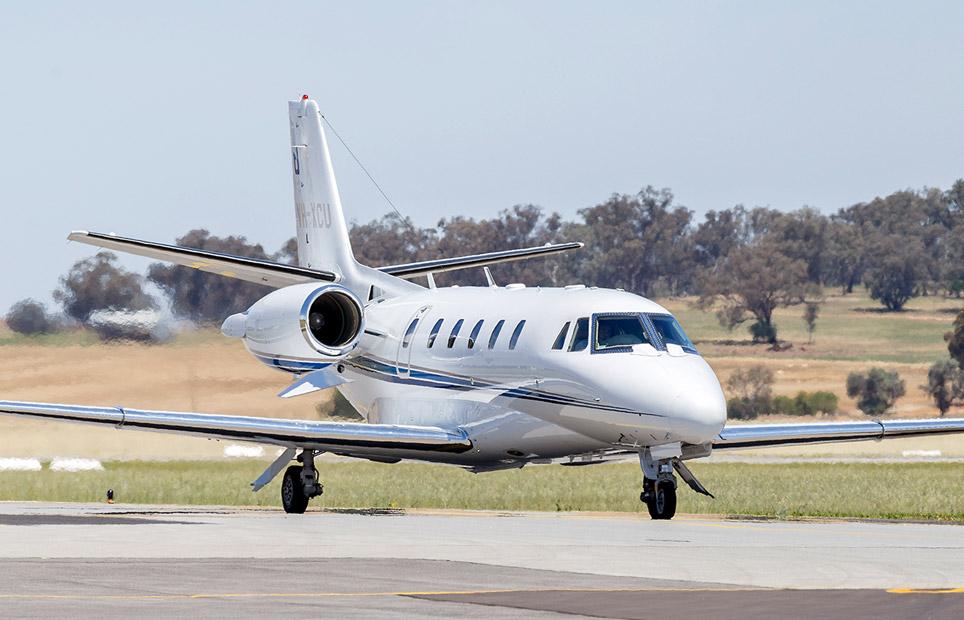
Light jets are small, cost-efficient aircraft typically seating 6–8 passengers and offering a range of 1,500–2,500 nautical miles. Examples include:
-
Cessna Citation CJ3+
-
Embraer Phenom 300
-
Learjet 75
-
HondaJet Elite
These jets are ideal for short to medium-haul flights, executive travel, and regional routes, providing speed and comfort at a lower operating cost than midsize or heavy jets.
2. Financing Requirements for Light Jets
Obtaining financing for a light jet involves meeting specific lender requirements, whether for individual or corporate buyers.
a. Creditworthiness
Lenders typically require:
-
Strong personal or business credit score (usually 700+)
-
Proof of income or business revenue
-
Low existing debt-to-income ratio
b. Aircraft Age and Condition
-
Most lenders prefer jets less than 10 years old.
-
Pre-owned jets may require independent appraisal and maintenance inspection.
c. Down Payment
-
Standard down payment ranges from 20% to 30% of the aircraft’s purchase price.
-
Larger deposits may reduce interest rates or improve loan terms.
d. Insurance and Operational Plans
-
Comprehensive hull and liability insurance is mandatory.
-
Lenders may require a professional management or maintenance plan.
3. Light Jet Financing Options
Buyers can choose from several financing structures, depending on ownership goals and financial strategy:
a. Traditional Aircraft Loans
-
Fixed or variable interest rates.
-
Loan terms generally range from 5–12 years.
-
Offers full ownership after loan payoff.
b. Operating Leases
-
The buyer leases the jet for a fixed period.
-
Lower upfront costs but no ownership equity.
c. Capital Leases
-
Structured like a loan; aircraft appears as a corporate asset.
-
Can provide tax depreciation benefits for businesses.
d. Fractional Ownership Programs
-
Buyers purchase a share of a jet rather than full ownership.
-
Reduces upfront costs, operational responsibilities, and depreciation risk.
4. Interest Rates for Light Jet Financing in 2025
Interest rates fluctuate based on market conditions, borrower profile, and aircraft type. Current trends for light jet loans include:
-
Prime rates for corporate buyers: 5%–6.5% annually
-
Rates for individual buyers: 6%–8% annually
-
Balloon financing options: Lower monthly payments with a larger final payment
Factors Influencing Rates:
-
Credit score and financial strength
-
Aircraft age and resale value
-
Loan-to-value ratio
-
Market liquidity and interest rate environment
5. Example Light Jet Financing Deals
Here are typical financing scenarios to illustrate real-world examples:
Example 1: Corporate Loan for a Phenom 300
-
Purchase price: $9 million
-
Down payment: 25% ($2.25 million)
-
Loan term: 7 years
-
Interest rate: 5.5%
-
Monthly payment: ~$87,000
Example 2: Individual Loan for a Cessna Citation CJ3+
-
Purchase price: $7.5 million
-
Down payment: 30% ($2.25 million)
-
Loan term: 8 years
-
Interest rate: 7%
-
Monthly payment: ~$62,000
Example 3: Fractional Ownership of a Light Jet
-
Share purchase: 1/8th of a Learjet 75
-
Initial investment: $750,000
-
Annual operating fees: ~$150,000
-
Usage: ~50 hours per year
These examples highlight how financing structures, interest rates, and ownership models directly impact cash flow, operational costs, and long-term investment returns.
6. Common Pitfalls in Light Jet Financing
-
Underestimating Total Cost of Ownership (TCO):
Beyond loan payments, consider insurance, maintenance, crew, and hangar fees. -
Neglecting Depreciation:
Light jets depreciate 5–8% annually, particularly new models. -
Choosing the Wrong Loan Type:
Individuals may benefit more from traditional loans, while corporations might optimize with a capital lease for tax purposes. -
Ignoring Regulatory Compliance:
FAA or EASA requirements for flight hours, pilot certification, and maintenance can affect financing approvals.
7. Smart Strategies to Maximize Value
-
Negotiate Flexible Terms: Balloon payments or adjustable rates can ease cash flow.
-
Leverage Expert Brokers: Aviation finance brokers provide access to competitive rates and lenders.
-
Maintain Aircraft Meticulously: A well-maintained jet retains higher resale value and may reduce insurance premiums.
-
Explore Fractional Programs: For individuals or businesses seeking cost efficiency, fractional ownership mitigates depreciation and operational risk.
8. Conclusion
Financing a light jet in 2025 requires strategic planning, careful lender selection, and full awareness of total ownership costs. Whether you are a corporate buyer leveraging tax benefits or an individual buyer seeking convenience and flexibility, understanding requirements, rates, and deal structures is essential.
Smart financing, combined with operational efficiency and maintenance discipline, ensures that light jets remain a practical and rewarding investment in speed, flexibility, and prestige.


