


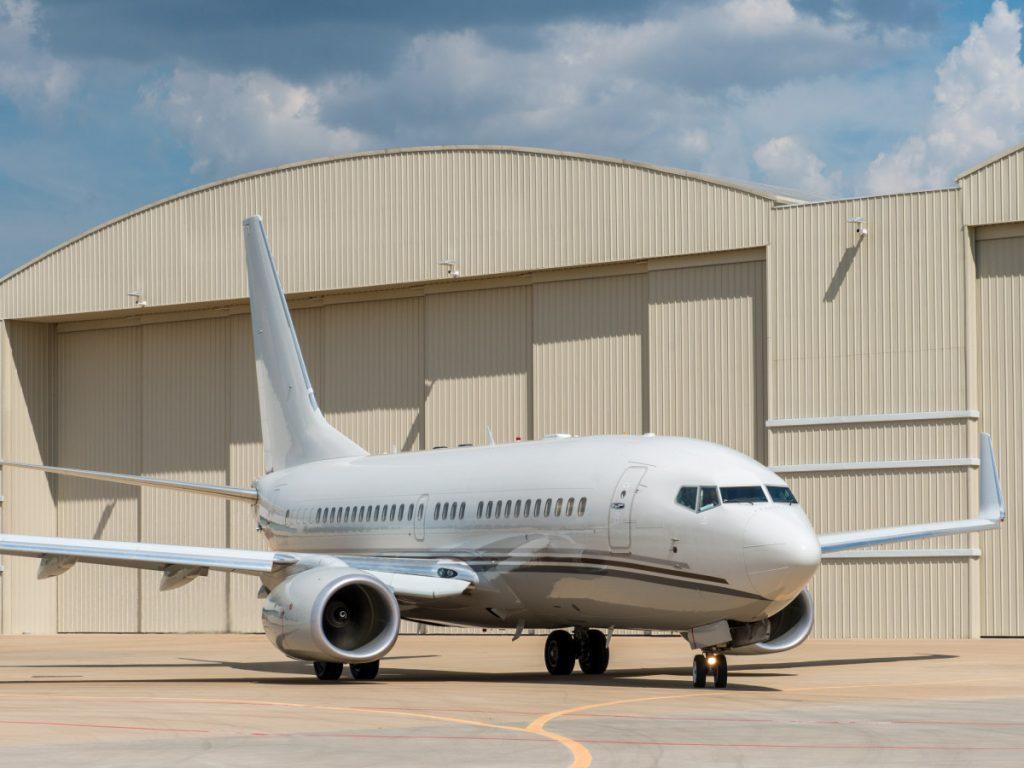
A premium jet is not just a mode of transportation, it’s a statement of sophistication, status, and cutting-edge technology. For the discerning traveler, private jets represent the ultimate in luxury, offering not only a personalized flying experience but also an opportunity to escape into a world of unparalleled comfort, innovation, and performance. As the aviation industry continues to evolve, the design of these jets has become more refined and customized to meet the specific needs of their owners, combining world-class craftsmanship with advanced technology.
In this benchmarking analysis, we explore some of the finest premium jets currently available, focusing on their unique design features, luxury amenities, performance capabilities, and technological innovations that set them apart in a highly competitive market.
- Aerodynamic Elegance: The Foundation of Premium Jet Design
The design of a premium jet begins with aerodynamics, ensuring a smooth, efficient, and high-performance flight. These jets are engineered with the latest aerodynamic principles to maximize fuel efficiency, enhance speed, and reduce turbulence, providing an ultra-smooth flight experience.
Key Trends in Aerodynamics:
Sleek Exterior Designs: The streamlined and elegantly contoured exteriors of premium jets reduce drag and improve flight efficiency, contributing to lower fuel consumption and higher speeds.
Winglets and Composite Materials: Winglets and the use of lightweight composite materials are standard features in top-tier jets, improving fuel economy and overall performance while maintaining exceptional aesthetic appeal.
Leading Jets in Aerodynamic Excellence:
Gulfstream G700: Featuring a highly advanced wing design, the G700 boasts exceptional aerodynamic efficiency, with a sleek fuselage and curved wings designed to optimize fuel performance and reduce turbulence.
Bombardier Global 7500: With its long wingspan and advanced winglets, the Global 7500 offers superior fuel efficiency, allowing it to travel longer distances without compromising on speed or comfort.
- Luxury Interiors: The Art of Personalization
When it comes to luxury jets, the interior design is just as important as the aerodynamic capabilities. Owners of premium jets expect bespoke interiors that reflect their unique style and preferences. These interiors are designed not only to be visually stunning but also to provide the highest level of comfort and functionality.
Key Trends in Jet Interior Design:
Customizable Layouts and Materials: Premium jets allow for extensive customization, with owners choosing everything from seating arrangements to materials such as exotic woods, leathers, and high-end fabrics. The interior layout can be adjusted to suit personal needs, whether for work, relaxation, or entertainment.
Wellness Features: Many luxury jets now incorporate wellness-focused elements such as adjustable lighting, personalized temperature control, massage chairs, and advanced air filtration systems that create an environment conducive to relaxation and productivity.
Leading Jets in Interior Excellence:
Gulfstream G700: The G700 features a spacious cabin with customizable configurations, including private suites, large windows for panoramic views, and a selection of luxurious finishes, making it one of the most luxurious jets on the market.
Dassault Falcon 10X: With its wide-body cabin, the Falcon 10X offers a range of personalization options and wellness features, including a dedicated master suite, spa-style bathrooms, and an ultra-quiet environment for maximum comfort.
- Technological Innovations: Integrating the Latest in Jet Systems
The latest premium jets are equipped with cutting-edge technology that enhances performance, safety, and passenger experience. These jets incorporate the most advanced cockpit systems, in-flight entertainment, and connectivity options, ensuring that the flying experience is seamless and enjoyable from takeoff to landing.
Key Trends in Jet Technology:
Digital Flight Decks: Modern jets feature digital flight decks with augmented reality displays, touchscreen controls, and real-time performance monitoring. These innovations enhance the pilot’s situational awareness and streamline flight operations.
In-Flight Connectivity: Premium jets are equipped with high-speed internet and satellite communications, allowing passengers to stay connected with the world while traveling at 40,000 feet. Some jets also feature virtual reality (VR) and augmented reality (AR) entertainment options.
Advanced Cockpit Systems: The integration of autonomous systems and advanced autopilot technology ensures smoother flights, optimizing route planning, fuel efficiency, and overall flight safety.
Leading Jets in Technological Innovation:
Gulfstream G700: The Symmetry Flight Deck in the G700 incorporates digital displays and augmented reality, enabling pilots to fly with greater precision and ease. The jet also boasts high-speed connectivity and a range of advanced in-flight entertainment systems.
Bombardier Global 7500: With its Vision Flight Deck, the Global 7500 offers intuitive cockpit controls, advanced autopilot capabilities, and seamless connectivity for passengers.
- Performance Capabilities: Power and Efficiency in the Sky
Performance is a critical aspect of any premium jet, as these aircraft must not only be luxurious but also capable of delivering exceptional speed, range, and fuel efficiency. Premium jets are engineered to provide unmatched performance without compromising on comfort.
Key Performance Features:
Long-Range Capabilities: The ability to fly long distances without refueling is a key consideration for premium jet owners. Many of the top models offer ranges of 6,000 nautical miles or more, allowing for non-stop flights between major international hubs.
Speed and Efficiency: Premium jets combine powerful engines with aerodynamic designs to deliver impressive speeds, allowing passengers to reach their destinations quickly while maintaining fuel efficiency.
Leading Jets in Performance:
Gulfstream G700: With a range of over 7,500 nautical miles, the G700 is one of the longest-range jets in its class, offering speed and efficiency that are second to none. It can reach a cruising speed of 0.925 Mach, ensuring quick travel over long distances.
Bombardier Global 7500: The Global 7500 offers an impressive range of 7,700 nautical miles, enabling passengers to fly nonstop between major cities like New York and Tokyo. With a top speed of 0.925 Mach, it offers exceptional speed and performance.
- Sustainability and Environmental Impact: Eco-Friendly Luxury
As the aviation industry increasingly focuses on sustainability, many premium jet manufacturers are incorporating green technologies into their designs. From the use of Sustainable Aviation Fuel (SAF) to more fuel-efficient engines, premium jets are evolving to meet environmental concerns without sacrificing luxury or performance.
Key Sustainability Features:
Fuel Efficiency: Advances in engine design and aerodynamics have led to significant improvements in fuel efficiency, allowing jets to reduce their carbon footprints while maintaining high performance.
Sustainable Aviation Fuel (SAF): Many premium jets are now compatible with Sustainable Aviation Fuel, which can reduce carbon emissions by up to 80% compared to traditional jet fuels.
Hybrid-Electric Propulsion: While still in the early stages of development, hybrid-electric propulsion systems are beginning to make their way into the aviation industry, offering a future solution to reducing emissions and fuel consumption.
Leading Jets in Sustainability:
Gulfstream G700: The G700 is compatible with Sustainable Aviation Fuel (SAF) and features highly efficient engines that reduce fuel consumption and emissions.
Bombardier Global 7500: The Global 7500 is also SAF-compatible and boasts low-emission engines that contribute to its sustainability credentials.
Conclusion: Defining the Future of Luxury Aviation
The latest premium jets represent the maximum experience of aviation design, blending luxury, performance, technology, and sustainability into an unmatched flying experience. From the advanced aerodynamic shapes that enhance fuel efficiency to the luxurious customizable interiors and the integration of cutting-edge technology, these jets are redefining what it means to fly in style.
Whether it’s the unparalleled performance of the Gulfstream G700 or the spacious luxury of the Dassault Falcon 10X, these jets exemplify the height of aviation excellence. As the industry continues to innovate, we can expect even more sophisticated designs and eco-friendly technologies to shape the future of private aviation. Luxury in the upper atmosphere is no longer just about getting from one place to another, it’s about experiencing the finest in flight, technology, and craftsmanship.


