


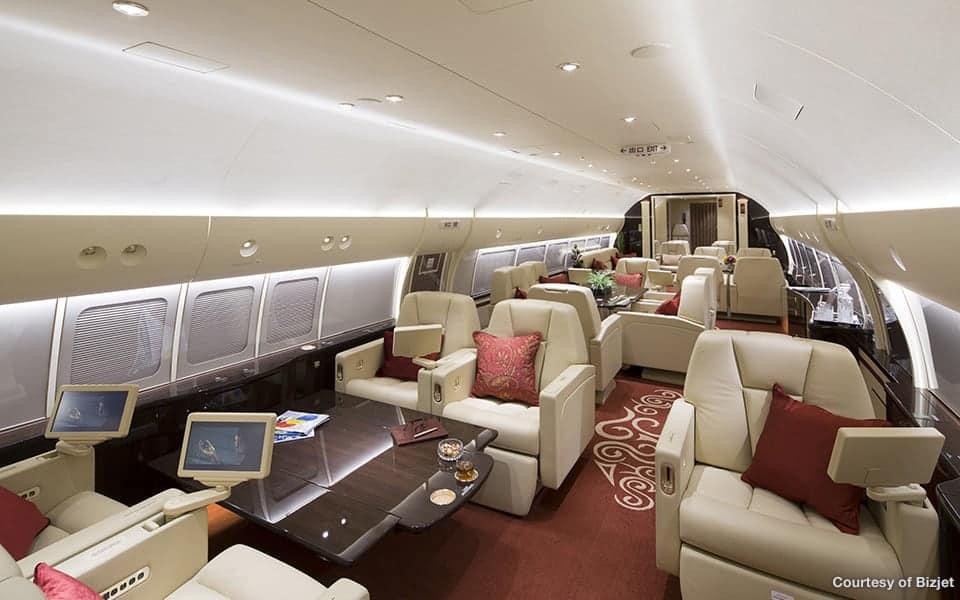
In the world of private aviation, luxury jets have long represented the maximum experience of performance, comfort, and prestige. As we move into 2025, the elite air performance of these jets is evolving rapidly, driven by advancements in technology, design, and engineering. Today’s private jets are not just faster or more efficient; they are becoming smarter, more luxurious, and more sustainable, reflecting the demands of today’s discerning clientele. This article compares the future trends in elite air performance among the top luxury jets of 2025, shedding light on the key features that will define the next generation of air travel.
- The Evolution of Jet Performance: Speed, Range, and Efficiency
As the aviation industry continues to push the boundaries of innovation, speed, range, and efficiency have become critical factors in the evolution of luxury jet performance. The most elite private jets of 2025 are designed to offer more than just comfort and style, they also promise unprecedented performance.
Speed: Breaking New Barriers
In 2025, the quest for speed remains one of the key differentiators in the luxury jet market. Several jets are pushing the limits of how fast passengers can travel, offering top speeds that rival commercial aircraft.
Gulfstream G700: With a top speed of 0.925 Mach, the G700 is one of the fastest jets available, ensuring passengers can travel long distances at remarkable speeds, reaching destinations faster than ever before.
Bombardier Global 7500: This jet is also capable of flying at 0.925 Mach, allowing it to compete in the top tier of speed with other luxury jets.
Dassault Falcon 10X: With a top speed of 0.925 Mach, the Falcon 10X maintains its position as one of the fastest and most advanced jets on the market, offering a cutting-edge balance of speed and comfort.
Range: Long-Haul Travel Without Compromise
Another defining characteristic of luxury jets in 2025 is their impressive range, allowing passengers to fly non-stop on long-haul flights without compromising on comfort or convenience.
Gulfstream G700: With a maximum range of 7,500 nautical miles, the G700 can easily fly across continents without the need for refueling, making it a favorite among business travelers and high-net-worth individuals.
Bombardier Global 7500: Known for its exceptional range, the Global 7500 offers a maximum range of 7,700 nautical miles, allowing for direct flights between cities like New York and Tokyo without refueling.
Dassault Falcon 10X: The Falcon 10X is capable of flying 7,500 nautical miles, ensuring it remains competitive in the long-range category.
Efficiency: Maximizing Sustainability and Operational Costs
In recent years, efficiency has become a crucial factor in the design of luxury jets, with a growing emphasis on sustainability. Leading manufacturers are incorporating energy-efficient engines and eco-friendly technologies into their jets to reduce fuel consumption and operational costs.
Sustainable Jet Fuel: Many manufacturers are looking toward sustainable aviation fuel (SAF) to power their aircraft, helping to lower the carbon footprint of each flight.
Hybrid Engines: As hybrid-electric technology progresses, it’s expected that more jets will incorporate electric motors in tandem with traditional engines, reducing fuel consumption and emissions.
Advanced Aerodynamics: Modern jets are incorporating aerodynamic designs that reduce drag, making them more fuel-efficient without sacrificing speed or performance.
- Luxury and Comfort: Redefining the Flight Experience
While performance remains paramount, luxury and comfort are just as important in 2025’s elite jets. Today’s passengers demand an experience that feels more like a private suite than a traditional aircraft cabin, and manufacturers are responding with remarkable innovations.
Cabin Space and Design
In 2025, luxury jets are being designed with an emphasis on spacious interiors and customization options that allow owners to personalize their cabins. The focus is on creating an ultra-comfortable environment that offers both privacy and versatility.
Gulfstream G700: The G700 boasts one of the largest cabins in its class, with a variety of layout options and customizable features to suit every need. The cabin is equipped with full-length windows, a state-of-the-art soundproofing system, and advanced air filtration for optimal comfort.
Bombardier Global 7500: Known for its spacious cabin, the Global 7500 features four distinct living areas, including a master suite and a private office, providing passengers with ultimate comfort and privacy.
Dassault Falcon 10X: This jet features a wide-body cabin with floor-to-ceiling windows, allowing for breathtaking views while maintaining an unparalleled level of privacy and comfort.
Smart Technology: The Future of Cabin Comfort
As technology continues to improve, luxury jets are becoming smarter, offering passengers a truly personalized and seamless experience.
Smart Cabin Systems: The latest jets are equipped with intelligent cabin technology that allows passengers to control everything from lighting and temperature to entertainment and communications with the touch of a button. The systems are often voice-activated, enabling users to make adjustments without ever leaving their seats.
Advanced Entertainment Systems: New jets come with high-definition screens, virtual reality setups, and satellite connectivity, ensuring passengers can stay connected, watch movies, or work in an immersive environment.
Noise Reduction Technology: With advancements in active noise-canceling technology, modern jets are quieter than ever before, providing passengers with a peaceful and serene flight experience.
Gourmet Dining and Onboard Amenities
In 2025, luxury jets are designed to offer five-star dining at altitude, ensuring passengers can enjoy world-class meals during their flight.
Customized Menus: Chefs on board are trained to prepare personalized meals, often designed to cater to the specific preferences or dietary needs of passengers.
State-of-the-Art Kitchens: Premium jets feature gourmet kitchens with top-of-the-line appliances, allowing chefs to create restaurant-quality meals on board.
Wellness Options: Some jets include features such as spa treatments, massaging seats, and private fitness areas to ensure passengers arrive at their destination feeling refreshed.
- The Role of Sustainability in Elite Jet Design
As environmental consciousness grows, sustainability is becoming an increasingly important factor in the design and operation of luxury jets. Manufacturers are making significant strides in reducing the environmental impact of private aviation, without compromising the luxurious experience.
Electric and Hybrid Technologies
One of the most promising innovations in sustainable jet design is the integration of electric and hybrid technologies. These systems combine the benefits of electric motors and traditional jet engines, leading to reduced fuel consumption and lower emissions.
Hybrid Electric Jets: Some manufacturers are experimenting with hybrid-electric propulsion systems that use both electric engines and traditional fuel-powered engines to reduce fuel consumption and emissions during flight.
Solar-Powered Jets: Although still in the early stages of development, solar-powered jets are being explored as a sustainable option for short-haul flights, offering an eco-friendly alternative to conventional aviation.
Biofuels and Sustainable Aviation Fuel (SAF)
Many manufacturers are now turning to sustainable aviation fuel (SAF) to reduce carbon emissions from their jets. SAF is made from renewable sources such as biofuels, algae, and synthetic fuels, offering a more eco-friendly alternative to traditional jet fuel.
Carbon Offsetting: To further reduce their carbon footprints, some companies offer carbon offset programs, allowing jet owners to offset their emissions by investing in sustainability projects, such as tree planting or renewable energy initiatives.
- The Future of Elite Air Performance: What to Expect in the Coming Years
As we look to the future of luxury jet performance, several key trends are expected to shape the industry:
Supersonic Jets: In the coming years, we can expect the return of supersonic jets, which promise to drastically reduce travel times by breaking the sound barrier. Companies like Boom Supersonic are already working on prototypes that could revolutionize the future of air travel.
Fully Autonomous Jets: The idea of autonomous jets may soon become a reality, with advancements in artificial intelligence and autopilot systems enabling jets to fly without human intervention.
Smart, Connected Airports: Airports will become increasingly smart and digitally connected, enhancing the overall travel experience by offering features like automated check-in, biometric scanning, and personalized passenger services.
Conclusion: Defining the Future of Luxury Air Performance
The world of luxury jet performance is constantly evolving, with new advancements in speed, range, efficiency, and luxury features setting the stage for the next generation of private aviation. In 2025, we will see jets that are not only more powerful and efficient but also more comfortable, intelligent, and sustainable than ever before. As these elite jets continue to redefine the flying experience, they will cater to a new era of air travelers who demand nothing but the best.


