


Revolutionary Aircraft Designs
Aircraft design in the luxury jet sector has witnessed a significant shift, with aerodynamic innovations being at the forefront of these changes. Today’s luxury jets are designed not only for aesthetics and comfort but also for performance and sustainability. Modern designs incorporate advanced materials, such as carbon fiber composites and titanium, that make these aircraft lighter, stronger, and more fuel-efficient.
The Dassault Falcon 10X is a standout example of this next-generation design. Its spacious cabin and sleek aerodynamic profile allow it to fly long distances without compromising comfort or speed. Similarly, the Gulfstream G700 showcases curved winglets and an optimized fuselage, making it one of the most efficient jets on the market. These design innovations contribute to improved fuel efficiency, reduced emissions, and a smoother flight experience for passengers.
Luxury jet manufacturers are also focusing on customizable aesthetics, allowing buyers to personalize their jets with unique exterior finishes, color palettes, and custom logos. This level of personalization ensures that each aircraft is not only a machine of innovation but also an expression of the owner’s personality and taste.
Interior Design and Customization
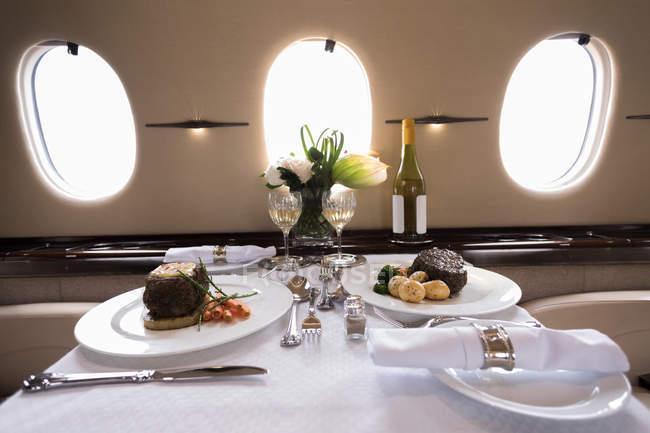
The interior design of luxury jets has become an art form in its own right. Today’s aircraft are not just about getting from one point to another; they are about creating a home-like environment in the sky, where passengers can work, relax, or entertain in the utmost luxury.
One of the key trends in luxury jet interiors is multi-functional spaces that allow for personalized comfort. Aircraft like the Bombardier Global 7500 offer private suites, dedicated workstations, and even full-size beds, allowing passengers to choose whether they want to work, relax, or sleep. The Gulfstream G700 takes this a step further with its zero-gravity seating, luxurious lounges, and gourmet kitchens, making it an ideal aircraft for both business and leisure travel.
Another growing trend in luxury jet interiors is the integration of smart technology. Passengers can now control everything from the lighting and temperature to the entertainment system with just a touch or voice command. This innovation makes the flying experience more convenient and enjoyable, with passengers able to create the perfect atmosphere for their journey.
Some aircraft are even offering advanced wellness features that enhance the passenger experience, such as air filtration systems, advanced lighting to promote better sleep, and massage chairs to reduce stress during long flights. The emphasis on wellness reflects the growing demand for a holistic travel experience that prioritizes comfort and relaxation.
Advanced Performance Capabilities
When it comes to performance, the latest luxury jets are built to exceed expectations. These aircraft feature advanced engines that provide faster speeds, greater fuel efficiency, and the ability to fly at higher altitudes. Jets like the Gulfstream G700 and Bombardier Global 7500 boast top speeds of over 600 mph, allowing them to reach their destinations quickly while maintaining exceptional comfort levels for passengers.
In addition to speed, these jets are capable of flying longer distances without needing to refuel, thanks to their extended range. The Gulfstream G700, for example, can fly up to 7,500 nautical miles, making it capable of connecting non-stop from major cities across the globe. This extended range gives passengers more flexibility, allowing them to travel to distant locations without having to worry about refueling stops.
Moreover, luxury jets are equipped with fly-by-wire technology that improves handling and stability during flight. This system allows for smoother control and more precise maneuvers, enhancing the overall flight experience. The inclusion of advanced autopilot systems also reduces pilot workload and ensures the highest levels of safety during the flight.
Sustainability and Environmental Innovation
As environmental concerns continue to rise, the luxury jet industry is responding with eco-friendly innovations that reduce the environmental impact of flying. Manufacturers are incorporating sustainable materials into their designs, such as recycled carbon fiber and bio-based composites, which help reduce the weight of the aircraft while promoting a greener future.
One significant trend is the use of sustainable aviation fuel (SAF), a cleaner alternative to traditional jet fuel. Aircraft like the Gulfstream G700 and Bombardier Global 7500 are being designed to operate on SAF, which reduces carbon emissions and helps lower the aircraft’s overall environmental footprint. These efforts are part of a broader industry-wide push to make private aviation more sustainable and aligned with global efforts to combat climate change.
In addition, luxury jet manufacturers are exploring hybrid-electric propulsion systems that combine traditional engines with electric power, further reducing fuel consumption and emissions. While still in the early stages, these innovations hold the promise of making air travel more eco-friendly without sacrificing luxury or performance.
The Future of Luxury Jets
As the aviation industry continues to innovate, the future of luxury jets is filled with possibilities. The next generation of private aircraft will likely feature even more advanced technology, greener operations, and hyper-customized interiors that cater to every need and preference of their passengers. Manufacturers are also looking at the potential for supersonic jets, which would allow for faster-than-sound travel and drastically reduce flight times.
Other possibilities for the future include flying cars and urban air mobility solutions, which could change the way people travel in cities. These innovations could transform the luxury travel experience, offering even more flexibility, speed, and convenience for high-net-worth individuals.
Conclusion
The luxury jet industry is at the forefront of aviation innovation, with aircraft designs that continue to evolve to meet the demands of modern travelers. From revolutionary aerodynamic designs and advanced performance features to smart technology and eco-friendly solutions, the latest trends in luxury jets reflect the growing desire for speed, comfort, and sustainability. As technology continues to advance, the future of private aviation promises to be even more exciting, offering unparalleled flying experiences for those who seek the best in air travel.


