


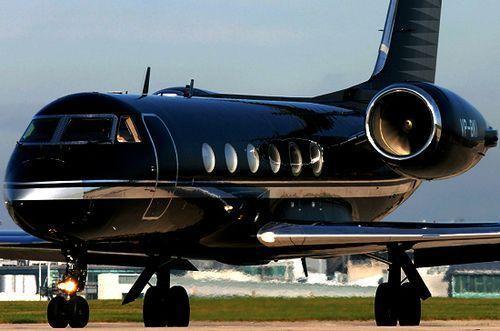
As technology continues to redefine the future of air travel, one of the most exciting innovations taking place within private jets is the introduction of smart glass cabins. These high-tech cabins feature dynamic glass panels that can adjust their level of transparency in real-time, providing passengers with a new level of comfort, privacy, and flexibility. Gone are the days of having to rely on traditional window shades or tinted glass; smart glass allows passengers to control their environment with the touch of a button or even automatically adjust according to external conditions. In this article, we explore how smart glass technology is transforming luxury private jet cabins.
What is Smart Glass and How Does it Work?
Smart glass, also known as switchable glass or electrochromic glass, is a type of glass that can change its opacity or transparency in response to electrical current, light, or heat. This is achieved through the use of special materials, such as liquid crystals or electrochromic polymers, which can alter the way light passes through the glass. The result is glass that can switch from clear to opaque or from a dark tint to a lighter one, offering a level of control that traditional glass windows simply cannot provide.
The ability to adjust transparency in real-time opens up new possibilities for creating personalized environments within the confined space of a private jet cabin. Whether passengers want to block out the sun for a nap, create a more private setting for a business meeting, or enjoy panoramic views without glare, smart glass offers the flexibility to do so.
Enhancing Privacy and Comfort on Long Flights
For many private jet passengers, privacy is one of the most important aspects of the flying experience. While traditional methods of privacy, such as curtains or window shades, can be useful, they are often not as efficient or customizable as smart glass. With smart glass, passengers can control their privacy levels in an instant, switching between clear and opaque at the push of a button.
This technology can be particularly useful during long flights, where passengers might want to take a nap, hold confidential conversations, or simply enjoy some personal space. The ability to instantly adjust the transparency of the cabin’s windows allows passengers to create an environment that suits their needs at any given moment.
In addition to privacy, smart glass can help improve comfort by controlling the amount of natural light that enters the cabin. On bright, sunny days, the glass can darken to block out the glare, reducing the need for traditional window shades that can take up space and require manual adjustments. Conversely, when passengers want to enjoy a view or let in more light, the glass can switch back to clear, providing a seamless, unobstructed panorama.
Real-Time Transparency for Dynamic Environments
One of the most innovative features of smart glass is its ability to adjust transparency automatically based on external factors. For example, the glass can sense the intensity of sunlight and adjust its tint accordingly, reducing glare and heat from the sun without requiring any input from the passenger. This automatic adjustment ensures that the cabin remains comfortable and well-lit at all times, regardless of changing conditions outside.
The ability to automatically adjust the cabin environment based on real-time data is a game-changer for private jet interiors. Rather than needing to manually control shades or worry about the time of day, passengers can rely on the smart glass to ensure the perfect balance of light and privacy throughout their journey.
Moreover, the dynamic glass can be synced with other elements of the cabin, such as lighting and temperature, to create a holistic environment that adapts to the passenger’s preferences. For example, the cabin could detect when passengers are getting ready to rest and automatically dim the lights and darken the windows, creating a calm, serene atmosphere for sleep.
Customizable Aesthetics for Ultimate Luxury
Beyond its practical benefits, smart glass technology also contributes to the aesthetic appeal of private jet cabins. The sleek, modern look of smart glass adds a touch of sophistication and luxury, complementing the overall design of the aircraft. The ability to change the transparency of the windows gives passengers the option to adjust the cabin’s ambiance, whether they are looking for a bright, open space or a more intimate, dimly lit environment.
The integration of smart glass also allows for greater design flexibility in the cabin layout. Since the glass can be adjusted for privacy and light control without the need for traditional window treatments, private jet interiors can maintain a clean, minimalistic look while still offering maximum functionality.
Benefits for In-Flight Entertainment
Another exciting application of smart glass in private jets is its potential to enhance in-flight entertainment. By adjusting the transparency of the cabin, smart glass can help optimize the viewing experience for movies, presentations, and other media. For instance, if passengers want to watch a movie without glare from the sun, the windows can automatically darken, providing an ideal viewing environment.
Smart glass also allows for greater flexibility in seating arrangements. Since the glass can create private, enclosed spaces when needed, passengers can enjoy more personalized entertainment setups, such as isolated areas for watching movies or even interactive experiences. With the addition of augmented reality (AR) or virtual reality (VR) technologies, the potential for immersive entertainment is limitless.
Future Innovations in Smart Glass Technology
The future of smart glass in private jets holds exciting possibilities. As the technology continues to advance, we can expect even smarter, more adaptive glass that can react to more environmental factors. For example, future iterations of smart glass might be able to change its tint or transparency based on the passenger’s preferences, taking into account factors such as time of day, flight duration, or even the passenger’s mood.
Another potential advancement is the integration of voice control and gesture recognition, allowing passengers to adjust the transparency of the glass with simple voice commands or hand movements. This would eliminate the need for manual controls, further enhancing the ease of use and luxury experience.
Additionally, smart glass could be further enhanced with energy-efficient properties, such as the ability to absorb or reflect heat, helping to maintain a comfortable cabin temperature while reducing the strain on the jet’s air conditioning system. This would not only increase passenger comfort but also contribute to the overall sustainability of private jet travel.
Conclusion
The integration of smart glass technology into luxury private jet cabins represents a significant leap forward in air travel. By offering real-time transparency control, passengers can enjoy an a very uniqueed level of comfort, privacy, and flexibility during their flights. Whether it’s adjusting the cabin’s light levels, creating a private space for relaxation, or enhancing the in-flight entertainment experience, smart glass technology promises to revolutionize the way we think about air travel.
As the technology continues to evolve, we can expect to see even more advanced features and applications, making smart glass cabins a hallmark of the future of private aviation. For those seeking the ultimate in luxury and comfort, smart glass technology is sure to become an indispensable part of the flying experience.


