


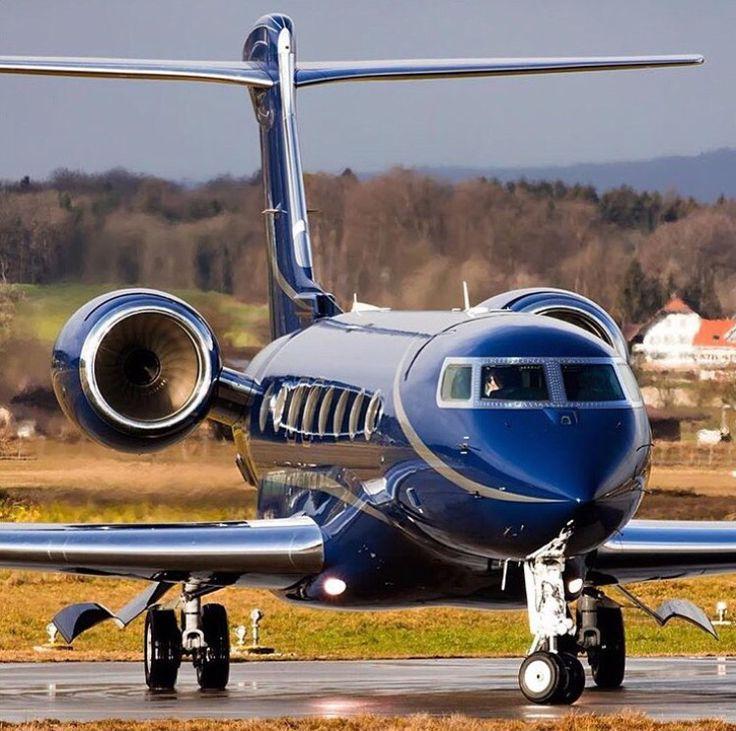
Introduction:
In the world of private aviation, the design of a private jet is more than just an aesthetic decision; it’s a delicate balance between luxury and utility. While luxury features are often the hallmark of private jet travel, practical considerations such as comfort, efficiency, and functionality also play an essential role in the design process. As private aviation continues to evolve, jet manufacturers face the ongoing challenge of creating aircraft that offer both the ultimate in luxury and top-tier functionality for their discerning clientele. This article explores how private jet manufacturers balance these two crucial elements, with a focus on the design considerations that shape both luxurious and functional aircraft.
The Role of Luxury in Private Jet Design
Luxury has always been a defining characteristic of private jets. For many owners, a private jet is more than just a mode of transportation; it’s an extension of their personal style, wealth, and influence. As such, designers and manufacturers incorporate the finest materials, the latest technology, and cutting-edge features to ensure that every inch of the aircraft reflects opulence and exclusivity.
- Interior Design and Comfort
The interior of a private jet is a crucial element in its overall luxury. Custom-designed cabins with plush seating, sumptuous fabrics, and sophisticated finishes are standard features. The Boeing Business Jet (BBJ) and Gulfstream G650ER, for example, offer expansive cabins with fully reclining seats, beds, and dining areas, enabling passengers to travel in ultimate comfort. In addition to fine furnishings, advanced lighting systems, soundproofing, and high-end entertainment options ensure that the experience inside the jet feels more like a five-star hotel than an aircraft. - Cutting-Edge Technology
Technological innovation plays a significant role in the luxury of private jet design. High-speed internet, state-of-the-art entertainment systems, and advanced climate control are just a few of the features that contribute to a luxurious flying experience. Some jets even offer features like virtual reality headsets, high-definition video conferencing, and smart cabin management systems that allow passengers to control lighting, temperature, and entertainment preferences with a simple touch. The integration of these technologies ensures that the experience remains both luxurious and customized to individual needs. - Customization and Personalization
One of the hallmarks of luxury private jets is the ability to customize the design and layout. Jet owners can work closely with designers to create interiors that reflect their personal tastes and preferences. Whether it’s choosing rare materials like hand-stitched leather or exotic wood veneers, or designing a private office space or a master suite, private jet owners are given an unprecedented level of control over the aesthetic of their aircraft. This level of personalization elevates the flying experience, making it unique to the owner and setting the jet apart from others.
The Importance of Utility in Private Jet Design
While luxury is undeniably a major factor in private jet design, utility cannot be overlooked. A private jet is not just a lavish personal retreat in the sky; it is also a highly functional means of transportation. Whether traveling for business or leisure, passengers expect their aircraft to offer maximum efficiency, safety, and performance.
- Performance and Range
One of the primary concerns for private jet manufacturers is ensuring that the jet performs at the highest level. This includes aspects such as speed, range, and fuel efficiency. For instance, the Bombardier Global 7500 is known for its extended range, allowing it to travel non-stop for over 7,700 nautical miles, making it perfect for long-haul flights. The aircraft’s powerful engines and aerodynamics ensure that it can maintain a fast cruise speed while optimizing fuel efficiency. - Cabin Configuration and Layout
While luxury features are essential, practicality also plays a key role in designing the layout of the jet. Designers must consider how the space will be used for work, rest, and entertainment. For example, many private jets are equipped with conference rooms, office spaces, and bedrooms that allow passengers to conduct business or relax during the flight. In smaller jets, designers optimize space by using clever storage solutions and compact seating arrangements to ensure maximum comfort without sacrificing utility. - Efficiency and Cost-Effectiveness
When it comes to private jet travel, efficiency is not just about speed; it also encompasses the cost of ownership and operation. Private jets are an expensive investment, and owners need to consider how they can maximize the utility of their aircraft while minimizing operating costs. Manufacturers strive to create aircraft that strike a balance between luxury and practicality by incorporating energy-efficient engines, lightweight materials, and aerodynamic designs that reduce fuel consumption. For instance, the Embraer Legacy 650E offers excellent fuel efficiency for its class, reducing operational costs while providing ample luxury.
Balancing Luxury and Utility: The Design Process
The process of balancing luxury and utility in private jet design requires careful planning and collaboration between the manufacturer, designer, and the client. The aircraft must meet a variety of requirements, from providing the highest levels of comfort and elegance to ensuring that the jet is functional and operationally efficient.
- Client-Centered Design
Each private jet is designed with the client’s specific needs in mind. Some clients prioritize luxury, seeking aircraft with opulent interiors and advanced amenities. Others may prioritize functionality, looking for jets with more streamlined designs that emphasize performance and efficiency. In many cases, clients want both: a luxurious interior paired with high-performance capabilities. Designers must consider the client’s travel habits, preferences, and operational needs to create an aircraft that balances both luxury and utility. - Material Selection and Engineering
Choosing the right materials is essential in achieving a balance between luxury and utility. Designers use lightweight but durable materials such as carbon fiber and composite materials to ensure that the jet is both strong and efficient. Meanwhile, luxury materials like marble, gold accents, and custom upholstery are used in the cabin to create an atmosphere of indulgence and comfort. The engineering team works closely with the design team to ensure that the materials used do not compromise the aircraft’s performance or safety. - Innovative Features and Designs
Some of the most luxurious and innovative features in private jet design stem from the need to balance practicality with comfort. For example, the addition of multi-functional spaces, such as a combined dining area and meeting room, allows the owner to use the jet for both business and leisure purposes. Fold-out beds, privacy screens, and adjustable lighting give passengers the flexibility to switch between work and relaxation seamlessly, ensuring that the jet can serve multiple purposes without sacrificing style or functionality.
Conclusion:
Private jets have long been symbols of wealth, success, and exclusivity. However, as the demand for private aviation grows, there is an increasing need for designers to balance luxury with utility. While the interiors of private jets are typically adorned with the finest materials and cutting-edge technologies, manufacturers also understand the importance of performance, efficiency, and practicality in the design process. By carefully considering the needs of the owner and integrating innovative features, private jets can offer the perfect balance of opulence and utility. As the private jet industry continues to evolve, this balance will remain at the heart of aircraft design, ensuring that each jet is both a symbol of prestige and a functional tool for modern air travel.


