


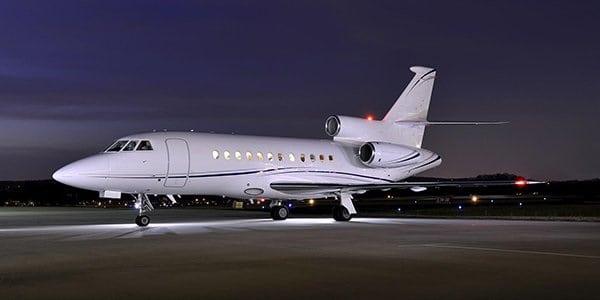
Private jet leasing has become an attractive alternative to full ownership, offering flexibility while avoiding the significant upfront costs of purchasing an aircraft. However, leasing a private jet comes with complex tax implications, including sales tax, use tax, depreciation rules, federal excise tax (FET), and IRS compliance issues. Understanding how these taxes affect leasing structures is essential for both lessors (owners leasing out their jets) and lessees (individuals or businesses leasing a jet). This guide provides a comprehensive legal analysis of tax considerations, strategies for minimizing liabilities, and key compliance factors in private jet leasing.
Understanding Private Jet Leasing Structures and Their Tax Implications
The tax treatment of a leased private jet depends on the type of lease agreement and how the aircraft is used. The two primary lease structures are:
- Operating Lease (True Lease)
- The lessor retains ownership of the aircraft.
- The lessee pays for the right to use the jet for a fixed period.
- Tax Benefit: The lessee may deduct lease payments as a business expense.
- Tax Risk: The lessor must account for depreciation and tax obligations.
- Finance Lease (Capital Lease)
- Similar to a loan, with the lessee assuming ownership-like responsibilities.
- The lessee may deduct depreciation and interest on lease payments.
- Tax Risk: May trigger sales tax and depreciation recapture liabilities.
Each lease structure affects tax obligations, depreciation schedules, and legal responsibilities, making it crucial to structure agreements carefully.
Sales Tax and Use Tax in Private Jet Leasing
Leasing a private jet often triggers sales tax or use tax, depending on where the aircraft is leased, where it is used, and how the lease is structured.
Sales Tax on Private Jet Leasing
- Many U.S. states impose sales tax on lease payments (ranging from 4% to 10%).
- The sales tax rate depends on the state where the lease is executed and where the aircraft is based.
- Some states, like Montana, Oregon, and New Hampshire, do not charge sales tax on aircraft leases.
Use Tax Considerations
- If a jet is leased in a tax-free state but used in a state with sales tax, the lessee may owe use tax.
- Some states, like California and New York, aggressively enforce use tax compliance.
- Owners may use legal leasing structures or out-of-state aircraft registration to minimize exposure.
Depreciation and Tax Deductions in Private Jet Leasing
Depreciation is a critical tax consideration in leasing transactions. The lessor, as the legal owner, may claim depreciation deductions under IRS guidelines.
Modified Accelerated Cost Recovery System (MACRS)
- The IRS allows aircraft depreciation over five years for business use.
- The lessor can use MACRS depreciation to offset taxable income.
Bonus Depreciation (TCJA Benefits)
- The Tax Cuts and Jobs Act (TCJA) introduced 100% bonus depreciation for new and used aircraft purchases through 2026.
- Lessors leasing newly acquired jets can deduct 100% of the aircraft’s cost in year one, significantly lowering taxable income.
Lessee Tax Deductions
- If the lease qualifies as a true lease, the lessee may deduct monthly lease payments as a business expense.
- If structured as a finance lease, the lessee may claim depreciation deductions instead.
Proper classification of the lease agreement is crucial to avoiding IRS audits and penalties.
Federal Excise Tax (FET) on Private Jet Leasing
The IRS imposes a 7.5% Federal Excise Tax (FET) on commercial flights, including certain charter and leasing arrangements.
When Does FET Apply?
- If the lessor provides a pilot or crew with the lease, the IRS may classify the transaction as a charter flight, making it subject to FET.
- Dry leases (where the lessee provides their own crew) typically do not incur FET, but incorrect structuring can lead to tax audits.
Avoiding FET Compliance Issues
- Use proper lease agreements to distinguish dry leases from charter services.
- Ensure separate legal entities operate the aircraft and provide crew services.
- Maintain detailed flight logs and financial records to demonstrate compliance.
State Tax Considerations in Private Jet Leasing
Tax-Friendly Aircraft Leasing States
Some states offer tax incentives for private jet leasing, reducing overall tax burdens:
- Delaware: No sales tax on aircraft leases.
- Montana: No sales tax or use tax.
- Oregon & New Hampshire: Tax-free lease transactions for private jets.
Aircraft owners often structure lease agreements through LLCs in tax-favorable states to minimize exposure.
Aggressive Tax Enforcement States
Certain states strictly enforce tax collection on aircraft leases:
- California: High sales and use taxes, with aggressive audits.
- New York: Enforces use tax on aircraft leased outside the state but operated within New York.
- Texas & Florida: Apply strict aircraft leasing tax regulations based on operational usage.
International Tax Considerations for Private Jet Leasing
For private jets leased across international borders, tax laws vary significantly.
Value-Added Tax (VAT) on Aircraft Leasing in the EU
- The European Union (EU) imposes VAT on private jet leases, typically ranging from 17% to 25%.
- Some countries offer tax exemptions for aircraft used in commercial operations.
- Structuring a lease through an EU-based entity may help reduce VAT exposure.
Import Duties and Customs Compliance
- Leased aircraft operating in multiple countries may be subject to import duties.
- Some lessors use Temporary Admission Relief (TAR) to avoid full taxation.
IRS Audits and Compliance Risks in Private Jet Leasing
IRS scrutiny in private jet leasing has increased, particularly regarding:
- Misclassification of Dry Leases vs. Charter Operations
- Underreporting Sales and Use Tax Obligations
- Depreciation and Lease Structure Manipulation
To avoid tax audits and penalties, lessors and lessees should:
- Maintain clear lease agreements that align with tax laws.
- Keep detailed flight records and maintenance logs.
- Consult with aviation tax professionals for compliance strategies.
Strategies to Minimize Tax Liabilities in Private Jet Leasing
To reduce tax exposure and enhance financial benefits, consider:
- Structuring the lease under an LLC in a tax-friendly state.
- Using dry lease agreements to avoid FET liabilities.
- Leveraging bonus depreciation before 2026 for maximum tax savings.
- Consulting aviation tax professionals for optimized lease structures.
Conclusion: Mastering Tax Compliance in Private Jet Leasing
Private jet leasing offers flexibility but comes with complex tax implications that require careful planning. From sales tax and use tax to depreciation benefits and FET compliance, understanding the legal landscape ensures optimal financial outcomes. By structuring tax-efficient lease agreements, maintaining IRS compliance, and leveraging state and federal tax incentives, both lessors and lessees can maximize benefits while mitigating risks.


