


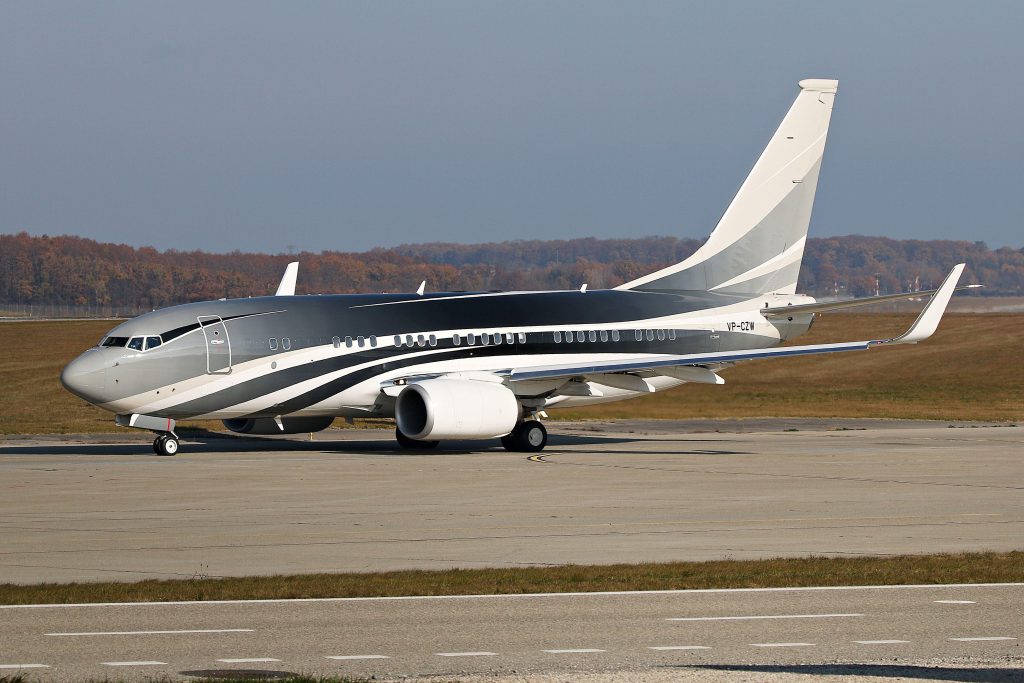
The aviation industry has come a long way in improving the safety and efficiency of air travel. In the realm of private jets, the need for faster, safer, and more reliable systems is constant. One such innovation poised to revolutionize the way private jets land and take off is the development of next-generation private jet runways equipped with smart LED landing guidance systems. These advanced systems use cutting-edge LED technology, paired with sophisticated data analytics, to improve the overall landing experience for private jet pilots and passengers.
While traditional runway lighting systems have served the aviation industry for decades, their limitations are becoming more apparent in an era where precision, safety, and environmental considerations are of paramount importance. The integration of smart LED systems represents a significant leap forward, offering a more dynamic, adaptable, and sustainable solution to managing landings on private jet runways.
In this article, we will explore the potential of smart LED landing guidance systems in private jet operations, how they work, and their advantages over conventional lighting methods.
The Basics of Smart LED Landing Guidance Systems
Smart LED landing guidance systems are essentially an advanced version of traditional runway lighting systems. They are designed to provide clear, reliable, and adaptive visual cues for pilots, assisting them during the landing phase of flight. These systems integrate LED lights with intelligent sensors and software that can dynamically adjust the lighting patterns, intensity, and even colors based on real-time factors such as weather conditions, aircraft type, and landing speed.
The primary purpose of these systems is to guide pilots to a safe and precise landing. LED lights are strategically placed along runways, taxiways, and other critical areas of the airport to provide visual cues for pilots during approach and landing. These systems can be configured to display different colors and patterns based on the specific needs of each landing scenario, offering high contrast visibility even in low-light or challenging weather conditions.
What sets smart LED systems apart is their ability to integrate real-time data from a variety of sources, such as weather stations, satellite tracking, and air traffic control systems. This allows the system to adapt in real-time, adjusting lighting patterns to the changing circumstances of the flight. In essence, these systems are “smart” because they can respond to different environmental factors, helping pilots navigate more effectively.
Advantages of Smart LED Systems in Private Jet Runways
- Enhanced Safety
The primary advantage of smart LED landing guidance systems is the improvement in safety. Traditional runway lighting systems often rely on fixed patterns, which may not be ideal for all weather conditions or aircraft types. For example, heavy fog, rain, or snow can significantly reduce visibility, making it difficult for pilots to follow standard lighting cues.
Smart LED systems, on the other hand, are designed to be more dynamic. They can change colors, brightness levels, and patterns based on real-time weather data, ensuring that pilots always have the most accurate and clear visual guidance during landing. In adverse weather conditions, these systems can adjust to provide maximum contrast, ensuring pilots can maintain a clear visual of the runway at all times.
Additionally, smart LED systems are integrated with other airport systems, such as runway condition sensors, to determine if the runway is wet, icy, or in any other potentially hazardous state. This data can be used to adjust the lighting cues to indicate potential risks, allowing pilots to take appropriate action. In this way, smart LED systems serve as a critical tool for enhancing both the safety and accuracy of private jet landings.
- Real-Time Adaptation for Customization
Every private jet is different, with unique flight characteristics and landing requirements. Some aircraft may have a longer stopping distance, while others require more precise visual cues for landing. Traditional lighting systems often struggle to accommodate these specific needs, offering a one-size-fits-all solution that may not always be optimal for every flight.
Smart LED systems, however, can be customized to suit different aircraft types, weather conditions, and other variables. By integrating real-time data from the aircraft itself, as well as environmental data, the system can adjust the lighting accordingly. For example, if a smaller, lightweight private jet is approaching, the system may use a more subtle lighting pattern to guide the pilot. On the other hand, if a heavier jet is landing, the system may increase the intensity and brightness of the lighting to ensure the pilot has ample visibility for a safe landing.
These adaptive capabilities ensure that every private jet receives the most accurate guidance customized to its unique specifications, enhancing the precision and reliability of the landing process.
- Energy Efficiency and Sustainability
In today’s world, sustainability is a significant consideration in every sector, including aviation. Traditional runway lighting systems can be energy-intensive, requiring significant power to operate, especially during long hours of night-time operations. With smart LED systems, airports can reduce energy consumption while maintaining optimal visibility for pilots.
LED lights are known for their energy efficiency compared to traditional lighting options, consuming a fraction of the power required by incandescent or halogen bulbs. Additionally, these lights have a longer lifespan, meaning less frequent replacements and a reduction in maintenance costs. By using intelligent sensors, the system can also adjust the lighting based on flight schedules and aircraft proximity, reducing the need for continuous operation.
Furthermore, the environmental benefits of these systems go beyond energy efficiency. By reducing the carbon footprint of airport operations, smart LED landing guidance systems contribute to the broader goal of sustainable aviation practices.
- Increased Efficiency in Airport Operations
Smart LED landing systems not only benefit pilots but also play a key role in improving the efficiency of airport operations. One of the major challenges airports face is managing large volumes of air traffic while ensuring that every flight is guided to the correct runway and landing path. By using smart LED technology, airports can streamline this process and improve traffic flow.
For instance, these systems can be integrated with air traffic control systems, allowing for seamless communication between the ground and the aircraft. The system can alert pilots to changes in runway status, as well as provide real-time updates on flight schedules, minimizing delays and optimizing runway usage. The ability to dynamically adjust the landing guidance based on traffic and environmental conditions allows airports to handle more flights with greater efficiency, reducing wait times for private jet owners and operators.
- Cost-Effectiveness
Despite the initial investment in smart LED systems, the long-term benefits often outweigh the costs. These systems require less maintenance, reduce energy consumption, and improve the overall safety and efficiency of private jet operations. By offering a more reliable and cost-effective solution for runway guidance, smart LED systems provide excellent value to both private jet owners and airport operators alike.
Conclusion
The advent of smart LED landing guidance systems for private jet runways marks a significant step forward in aviation safety, efficiency, and sustainability. By offering dynamic, real-time adjustments based on weather, aircraft type, and flight conditions, these systems ensure that private jet landings are as precise and safe as possible. They also contribute to energy savings, reduced maintenance costs, and enhanced airport efficiency, making them a vital part of the future of aviation.
As the technology continues to evolve and more airports adopt these next-generation systems, we can expect private jet operations to become even safer, faster, and more efficient. The integration of smart LED technology into runway systems is not just a technological upgrade but a game-changing innovation that will shape the future of private air travel for years to come.


