


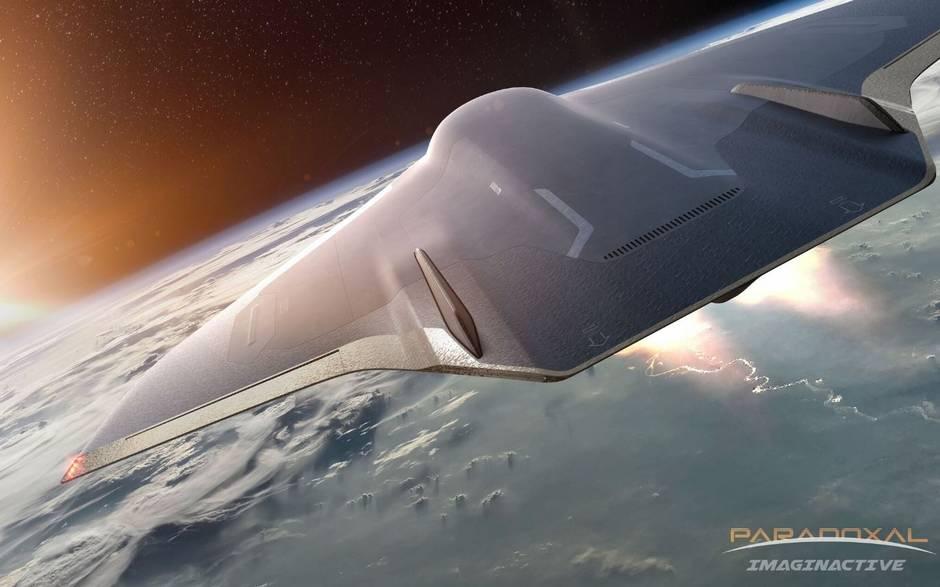
As aviation technology continues to evolve, one of the most significant advancements on the horizon is the introduction of silent private jets. The idea of flying in a jet that produces minimal or no noise at all is a dream for many who value not only comfort and luxury but also environmental responsibility. With a growing demand for quieter, eco-friendly solutions, the development of zero noise emission technology in private jets is set to redefine the way we think about air travel. In this article, we explore the future of silent private jets and how they promise to reshape the aviation industry, offering a new level of luxury, sustainability, and peace for passengers and surrounding communities alike.
The Need for Silent Private Jets
The aviation industry, particularly private aviation, is undergoing a transformation as environmental concerns and the impact of air traffic on communities gain more attention. One of the most noticeable byproducts of aviation, especially for private jets, is noise pollution. Take-offs, landings, and the roar of engines during flight often create significant disturbances for both passengers and those living near airports. As a result, the demand for quieter, more sustainable flight options has been growing steadily.
Silent private jets with zero noise emissions are now being developed to address these concerns, bringing the industry closer to a future where comfort, luxury, and environmental consciousness can coexist seamlessly. With noise pollution becoming a critical issue in urban planning, particularly around airports, these next-gen jets are positioned to offer an unmatched experience while reducing the environmental impact associated with flying.
How Zero Noise Emission Technology Works
Zero noise emission technology is a result of innovative engineering and cutting-edge materials aimed at reducing the noise created during both the take-off and cruising stages of flight. The technology works by addressing the two primary sources of noise in aviation: the engine noise and the aerodynamic noise produced by air flowing over the jet’s body and wings.
- Advanced Propulsion Systems
The primary innovation behind silent private jets is the development of advanced propulsion systems that drastically reduce engine noise. Traditional jet engines are loud due to the high speeds at which the exhaust gases are expelled. The introduction of electric and hybrid-electric engines is a significant step toward reducing noise emissions. These engines work by minimizing the noise produced during operation, ensuring that the jet glides smoothly through the air without generating the typical roar of conventional gas turbines. Additionally, electric engines tend to operate at lower frequencies, which are less disruptive to the human ear and more tolerable to those around airports.
- Aerodynamic Design Improvements
Another essential component of silent private jets is the focus on improving aerodynamics. The design of the aircraft itself plays a significant role in the noise it generates. Traditional jets have bulky, sharp-edged wings and fuselage shapes that create turbulence and cause air to collide with the jet’s surfaces, producing aerodynamic noise. However, next-gen silent jets are being designed with sleek, smooth, and contoured surfaces that allow air to flow over the jet more smoothly, reducing friction and turbulence. This innovation leads to quieter flight, even at higher speeds.
- Active Noise Cancellation Technology
Some manufacturers are incorporating active noise cancellation (ANC) technology into the cabin itself. Similar to how noise-canceling headphones work, this system uses microphones to detect external sounds and emit counteracting sound waves to cancel out unwanted noise. Inside the cabin, this means that passengers can enjoy an environment that is free of the usual hum and vibration from the engines, making for a serene and peaceful flying experience.
- Soundproof Cabin Materials
The materials used in the construction of the jet also play a role in reducing noise. Next-gen silent private jets utilize soundproofing materials that absorb sound and prevent it from reverberating within the cabin. These materials are designed not only to block out the external noise but also to dampen any interior noise caused by air conditioning systems, electronic equipment, and other components of the aircraft.
Benefits of Zero Noise Emission Jets
- Enhanced Passenger Comfort
The most immediate benefit of silent private jets is the improvement in passenger comfort. With virtually no external noise from the engines or wind, the flying experience becomes significantly more relaxing and enjoyable. Whether passengers are working, resting, or enjoying entertainment, the absence of noise enhances their ability to focus and unwind. Passengers can hold conversations without raising their voices, relax in a calm environment, or even sleep soundly without the typical distractions of engine hums and vibrations.
- Eco-Friendly Aviation
As climate change becomes an increasingly urgent concern, the aviation industry is under pressure to adopt greener technologies. Silent private jets with zero noise emissions are often paired with electric or hybrid-electric propulsion systems, which significantly reduce carbon emissions compared to traditional jet engines. These jets are more energy-efficient and less polluting, helping to mitigate the environmental impact of aviation while maintaining the performance and luxury associated with private air travel.
- Reduced Impact on Communities
One of the most significant advantages of silent private jets is their ability to reduce noise pollution around airports. Communities living near airports often face constant disturbances from air traffic, especially with private jets that tend to have louder take-offs and landings. By adopting next-gen silent jets, these disturbances can be minimized, improving the quality of life for people living near airports. Furthermore, the adoption of these jets could lead to fewer noise restrictions and longer operating hours at airports, benefiting the aviation industry as a whole.
- Increased Accessibility
As the world becomes more interconnected, there is an increasing demand for private aviation, particularly in densely populated urban areas. With silent jets, private airports located near city centers or residential areas can remain operational without disrupting the surrounding community. This creates opportunities for convenient, quick access to airports, making private air travel more accessible to a broader range of people.
The Future of Silent Private Jets
The future of silent private jets lies in the continued advancements in propulsion systems, aerodynamics, and material science. As technology continues to evolve, we can expect these jets to become even quieter, more efficient, and environmentally friendly. Over time, we could see a complete transition from traditional jet engines to fully electric-powered aircraft, making private aviation more sustainable than ever before.
In addition to technological advancements, the global aviation industry is likely to see regulatory support for quieter aircraft. With noise pollution becoming a critical issue in urban planning and airport management, governments may introduce policies to encourage the development and adoption of silent private jets, ensuring a quieter, cleaner future for the skies.
Conclusion
The rise of silent private jets with zero noise emission technology marks a pivotal moment in the evolution of private aviation. These next-gen jets offer passengers a serene, eco-friendly, and luxurious flying experience while addressing the growing need for noise reduction in and around airports. With continued advancements in electric propulsion, aerodynamic design, and noise cancellation technology, the future of private aviation is set to be quieter, greener, and more efficient than ever before. For passengers seeking peaceful flights, sustainability, and unmatched luxury, silent private jets represent the ultimate in next-gen air travel.


