


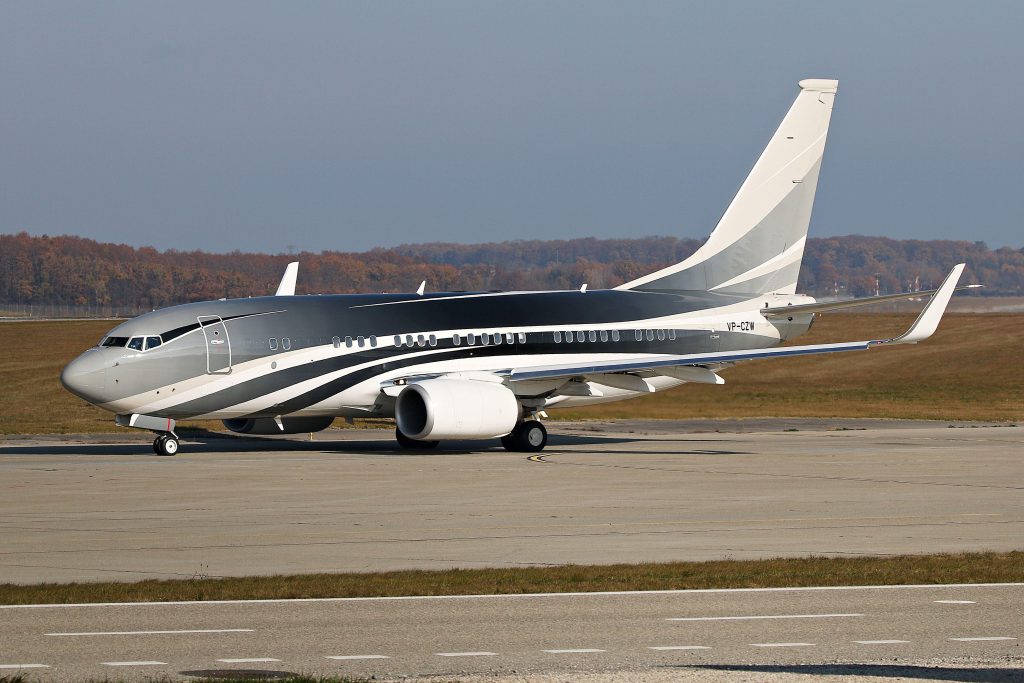
Private jet charters have long been the summery of luxury and convenience. Offering speed, privacy, and comfort, private jets have been the preferred choice for high-net-worth individuals, business leaders, and celebrities. However, with growing concerns about climate change and environmental impact, many travelers are now seeking more sustainable alternatives when it comes to private aviation. In Germany, one of the world’s leading countries in eco-friendly initiatives, the private aviation industry is adapting to these needs, offering more eco-conscious options for travelers who want to reduce their carbon footprint without sacrificing luxury. In this article, we’ll explore how eco-conscious travelers in Germany can make more sustainable choices when chartering private jets, providing practical tips and insights for greener aviation practices.
Why Eco-Conscious Travel Matters
The aviation industry is known to be a significant contributor to global carbon emissions, with private jet travel accounting for a disproportionate share due to its limited passenger capacity and higher fuel consumption per person. As climate change continues to be a pressing global issue, travelers are becoming increasingly aware of their environmental impact and are looking for ways to minimize it.
Eco-conscious travel is no longer just a trend; it’s becoming a necessity for many people who want to align their travel habits with their environmental values. For those who still choose private aviation, it’s important to recognize the opportunities for sustainable practices within the industry. While flying privately remains a high-emission mode of transportation, there are ways to reduce your environmental footprint through conscious choices and actions.
Understanding the Environmental Impact of Private Jets
Private jets are often criticized for their environmental footprint. According to various studies, private jets emit more CO2 per passenger compared to commercial flights, with smaller jets emitting as much as five times the CO2 per passenger kilometer as larger, commercial aircraft. The reason behind this inefficiency lies in the fact that private jets typically carry fewer passengers, meaning that the emissions are concentrated over fewer people. Furthermore, the short flights often associated with private jet travel mean that planes are operating in less efficient conditions, as they are less likely to be flying at their optimal cruising altitude for long periods of time.
However, it’s important to remember that private aviation is not inherently unsustainable. The industry is gradually shifting toward greener solutions, and many charter services are incorporating eco-friendly practices to meet the growing demand for sustainable travel.
Choosing a Green Private Jet Charter in Germany
For eco-conscious travelers in Germany, the first step in reducing the environmental impact of private jet travel is choosing an eco-friendly charter service. Several private jet operators in Germany are actively working toward minimizing their carbon footprints by adopting more sustainable practices, using biofuels, and investing in newer, more fuel-efficient aircraft.
When selecting a private jet charter company, consider the following tips:
- Look for Biofuel and Sustainable Aviation Fuel (SAF) Options
One of the most promising developments in the aviation industry is the adoption of sustainable aviation fuel (SAF). SAF is produced from renewable sources, such as waste oils, plant materials, or even algae, and can reduce carbon emissions by up to 80% compared to traditional jet fuel. Some private jet companies in Germany are already using SAF to power their flights, and it’s a great option for eco-conscious travelers looking to reduce their impact.
Be sure to ask your charter service about their commitment to SAF, as well as their plans to integrate biofuels into their operations. While SAF is still more expensive than conventional jet fuel, its adoption is increasing, and many private jet operators are beginning to offer it as an option.
- Opt for Newer, More Efficient Aircraft
The age and type of aircraft used for private jet charters play a significant role in the environmental impact of the flight. Newer models tend to be more fuel-efficient and have lower emissions compared to older ones. Many private jet companies in Germany have invested in newer fleets that are designed with more sustainable features, such as lighter materials, more efficient engines, and better aerodynamics.
When booking a private jet charter, inquire about the age of the aircraft and its fuel efficiency. Opting for newer models with lower fuel consumption can significantly reduce your carbon footprint.
- Consider the Type of Aircraft
Different private jets have varying levels of fuel efficiency and carbon emissions. Light jets, for example, tend to be more fuel-efficient than larger, long-range jets. By selecting a smaller aircraft, you can reduce the emissions per passenger, as the carbon footprint is more evenly distributed among fewer passengers.
Another option is to choose a turboprop aircraft, which generally has lower emissions than traditional jet engines. Turboprops are especially useful for short-haul flights, which are common in Germany, and they offer a greener alternative for regional travel.
- Maximize the Aircraft’s Capacity
Private jets are often flown with just a few passengers on board, which means the emissions per person are much higher than those of commercial flights. A simple way to reduce your environmental impact is to share your flight with others when possible. If you have colleagues, friends, or family members traveling to the same destination, consider pooling your resources and chartering a larger jet to maximize the number of passengers and spread the emissions across more people.
- Fly Direct to Your Destination
Private jets offer the flexibility to fly direct to your destination, which can reduce the overall fuel consumption and emissions associated with layovers and indirect routes. Unlike commercial airlines, which often require passengers to fly through hubs and make multiple stops, private jets can take more efficient routes, reducing the overall distance flown and minimizing fuel consumption.
When booking your flight, choose a direct route whenever possible to reduce the total travel distance and the environmental impact of your flight.
- Offset Your Carbon Emissions
For travelers who want to take an extra step in mitigating their environmental impact, carbon offset programs offer a way to balance out the emissions from their flight. Many private jet companies in Germany partner with organizations that offer carbon offset programs, where passengers can contribute to projects that help reduce or remove greenhouse gases from the atmosphere. These projects may include reforestation, renewable energy initiatives, or methane capture from landfills.
By purchasing carbon offsets, you can effectively neutralize the emissions from your private jet flight and support environmental projects that help combat climate change.
- Ask for Sustainable In-Flight Catering Options
Private jet catering is an important part of the luxury experience, but it also contributes to the overall environmental impact of the flight. When booking your charter, ask the operator about their sustainable catering options. Some companies in Germany offer eco-friendly meal options, such as locally sourced, organic ingredients, and packaging made from recyclable or biodegradable materials.
By choosing sustainable catering, you can reduce the waste associated with your flight and support businesses that prioritize environmentally responsible practices.
The Future of Eco-Friendly Private Jet Travel in Germany
Germany has long been a leader in sustainability and environmental initiatives, and the private jet industry is gradually catching up. As the demand for eco-conscious travel continues to rise, private jet companies in Germany are likely to invest even more in sustainable technologies, fuel alternatives, and greener operational practices. In the near future, we can expect to see more widespread adoption of SAF, the development of hybrid and electric aircraft, and more sustainable practices across the industry.
Conclusion
Private jet travel may have a reputation for being environmentally unfriendly, but with conscious choices and growing industry innovation, it’s possible to make private aviation more sustainable. Eco-conscious travelers in Germany have a wide range of options for reducing their environmental footprint, from choosing biofuels and newer aircraft to offsetting carbon emissions and opting for sustainable catering. By embracing these tips and making informed decisions, you can enjoy the luxury and convenience of private jet travel while minimizing your impact on the planet.


