


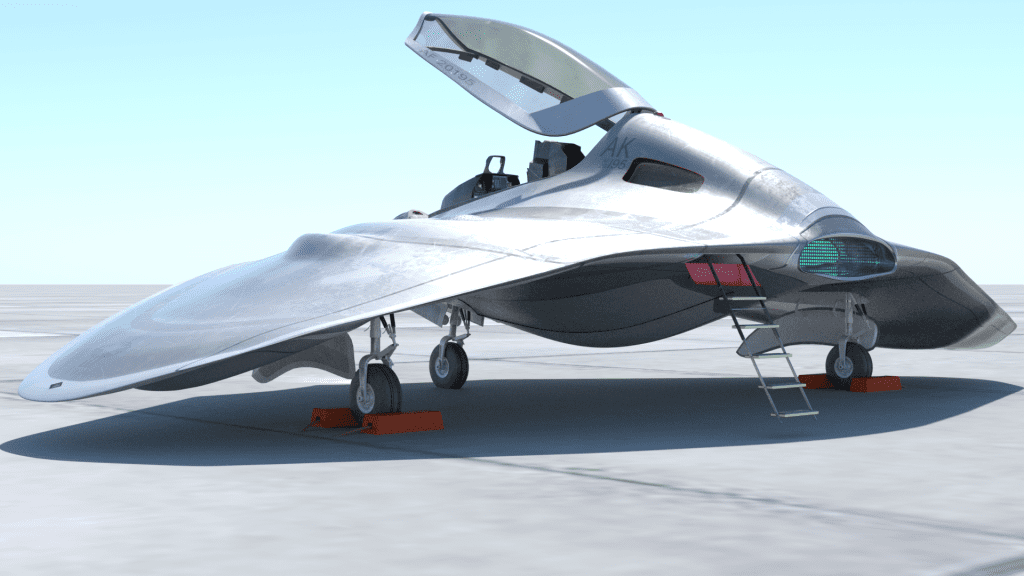
Private jet ownership is often seen as the ultimate symbol of success, luxury, and convenience. It offers unparalleled flexibility and efficiency for both personal and business travel, providing an experience that commercial flights simply cannot match. However, private jet ownership also comes with significant responsibilities and costs, making it essential to fully understand the intricacies of the process before making such a major investment.
This comprehensive guide will demystify private jet ownership, offering creative insights into the decision-making process, costs, benefits, and maintenance. Whether you’re contemplating your first purchase or considering expanding your aviation portfolio, this guide will give you a clear and thorough understanding of what owning a private jet really involves.
1. Why Own a Private Jet? Understanding the Benefits
Before diving into the details of ownership, it’s important to understand why you might want to purchase a private jet in the first place. Private jet ownership offers a range of benefits that go far beyond luxury travel.
- Flexibility and Convenience: With a private jet, you can travel on your schedule without the constraints of commercial airlines. You choose your departure times, flight routes, and even the airports you use, bypassing the hassle of crowded terminals and long security lines. For frequent business travelers or those with tight schedules, this flexibility is invaluable.
- Privacy and Comfort: Flying privately means you have complete control over your space. Whether you’re conducting meetings on the fly, relaxing with family, or simply enjoying solitude, a private jet offers an environment where you can do so without interruptions. Many private jets feature luxurious interiors, full beds, conference tables, entertainment systems, and even private bathrooms.
- Time Savings: In addition to reducing time spent at airports, private jets allow you to access smaller, less congested airports that are closer to your final destination. This can drastically reduce your overall travel time, as well as provide access to destinations that may not be serviced by commercial airlines.
- Enhanced Security: Private jets offer a higher level of security, both in terms of personal privacy and flight safety. You won’t have to worry about crowded public spaces or the risks associated with commercial flights, and you can tailor your flight plans to avoid high-risk areas or times of political instability.
Owning a private jet gives you not just a mode of transportation, but an extension of your lifestyle, one that prioritizes freedom, security, and unparalleled comfort.
2. Evaluating Your Private Jet Needs
Before purchasing a private jet, it’s essential to evaluate your needs and understand what type of jet will best serve your purposes. Buying the right jet for your specific requirements will help ensure that your investment delivers the most value.
- Flight Range: One of the first considerations is the flight range of the aircraft. If you frequently fly long distances, you’ll need a jet with the capability to cover those distances without frequent stops for refueling. Long-range jets, such as the Gulfstream G650ER or Bombardier Global 7500, are ideal for transcontinental and international flights, while light jets like the Embraer Phenom 300 or Cessna Citation CJ4 are better suited for shorter regional flights.
- Passenger Capacity: The size of the jet is also an important factor. A light jet might be sufficient for solo or small-group travel, while a heavy jet might be required if you frequently fly with a large number of passengers. It’s important to consider not just the number of passengers, but also their comfort. For instance, do you need space for business meetings, or will you often have family or colleagues aboard for leisure trips?
- Frequency of Use: How often you plan to use the jet will also impact the type of aircraft you buy. If your flights are frequent and long-haul, you may want to invest in a larger, more advanced jet. However, if you are only using the jet occasionally, a mid-sized jet or light jet may be more cost-effective, offering a balance of comfort, capacity, and cost.
Defining these key factors will allow you to narrow down your options and ensure that you select a jet that is well-suited to your needs.
3. Understanding the Costs of Private Jet Ownership
While the luxury of owning a private jet is tempting, it comes with significant ongoing expenses. Understanding these costs is crucial to making an informed decision. There are two primary types of costs to consider: fixed costs and variable costs.
- Fixed Costs: These are the regular, predictable expenses that are required to keep the jet in operation. They include:
-
- Purchase Price: The most obvious cost is the initial purchase price of the jet. Prices can range from $3 million for smaller used jets to over $75 million for brand-new, long-range jets.
- Insurance: Aircraft insurance is essential to protect your investment. The cost can vary based on the value of the jet, its intended use, and where it will be operated.
- Hangar Fees: If you don’t have your own private hangar, you’ll need to pay for hangar space at an airport. These fees can vary significantly depending on location, size of the jet, and whether you’re storing the jet at a private facility.
- Crew Salaries: If you don’t plan to pilot the jet yourself, you’ll need to hire professional pilots, cabin crew, and maintenance staff. Salaries for flight crews can vary, with the cost being higher for larger jets requiring multiple pilots.
- Variable Costs: These are costs that fluctuate based on the number of flights you take and the maintenance requirements of your jet. They include:
-
- Fuel Costs: Jet fuel is one of the largest operating expenses. The price can fluctuate depending on the distance traveled, fuel efficiency of the jet, and market conditions.
- Maintenance: Regular maintenance is required to keep your jet in top condition. This includes both scheduled maintenance (e.g., engine checks, avionics updates) and unscheduled repairs. Older jets may require more frequent and expensive repairs.
- Landing and Handling Fees: When flying into different airports, you’ll incur landing and handling fees, which can vary based on the size of the aircraft and the airport.
As you can see, owning a private jet is a significant financial commitment. By considering these costs carefully, you can ensure that your purchase is financially sustainable in the long term.
4. Financing Your Private Jet
There are several ways to finance a private jet purchase. The right option depends on your financial situation, goals, and whether the jet is for personal or business use. Here are a few financing options to consider:
- Cash Purchase: If you have the capital, buying the jet outright with cash is the simplest and least expensive option in the long run. While it requires significant upfront funds, it eliminates monthly payments and interest charges.
- Bank Loans: Many banks offer loans specifically for private jet purchases. Interest rates and loan terms will vary depending on the value of the aircraft and your creditworthiness. Be aware that securing a loan for a private jet can be more challenging than for other types of loans, and typically requires a substantial down payment.
- Leasing: If you need flexibility but don’t want to commit to a full purchase, leasing a jet can be a good option. There are operating leases, where you pay for the jet’s use over a fixed period, and finance leases, which allow you to eventually own the jet.
- Fractional Ownership: If full ownership isn’t necessary, fractional ownership allows you to buy a share of the jet and share usage with other owners. This is an ideal option for those who need access to a private jet but don’t want the full responsibility of ownership.
By exploring these financing options, you can find the best solution for funding your private jet and ensuring that your purchase is financially sound.
5. Jet Management and Operations
Once you’ve purchased your jet, you’ll need to consider how to manage it. This includes scheduling flights, maintenance, and overall operational management. Fortunately, many jet management companies offer comprehensive services that handle all aspects of jet ownership, from coordinating flight schedules to providing the necessary crew.
- Full-Service Management: If you want a hands-off approach, hiring a jet management company to handle all operations is the best option. They will manage everything, from scheduling flights to overseeing maintenance and staffing pilots.
- Chartering Your Jet: If you’re looking for a way to offset some of the costs of ownership, consider chartering your jet when it’s not in use. By renting out your jet to others, you can generate revenue that helps cover operating costs.
- DIY Management: If you’re hands-on and have the time and resources, you can manage the jet yourself, hiring pilots, maintenance staff, and taking on the responsibility of scheduling flights. While this is the most cost-effective option, it’s also the most time-consuming.
The right approach depends on how much time you’re willing to dedicate to managing your jet and the level of involvement you want.
Conclusion
Private jet ownership is a thrilling and rewarding experience, but it requires a thoughtful, informed approach to ensure it’s both financially feasible and operationally efficient. By carefully evaluating your needs, understanding the costs involved, and selecting the right financing and management options, you can make private jet ownership a seamless and enjoyable part of your lifestyle. With the right jet, maintenance plan, and team in place, you’ll be soaring through the skies with freedom and luxury at your fingertips.


