


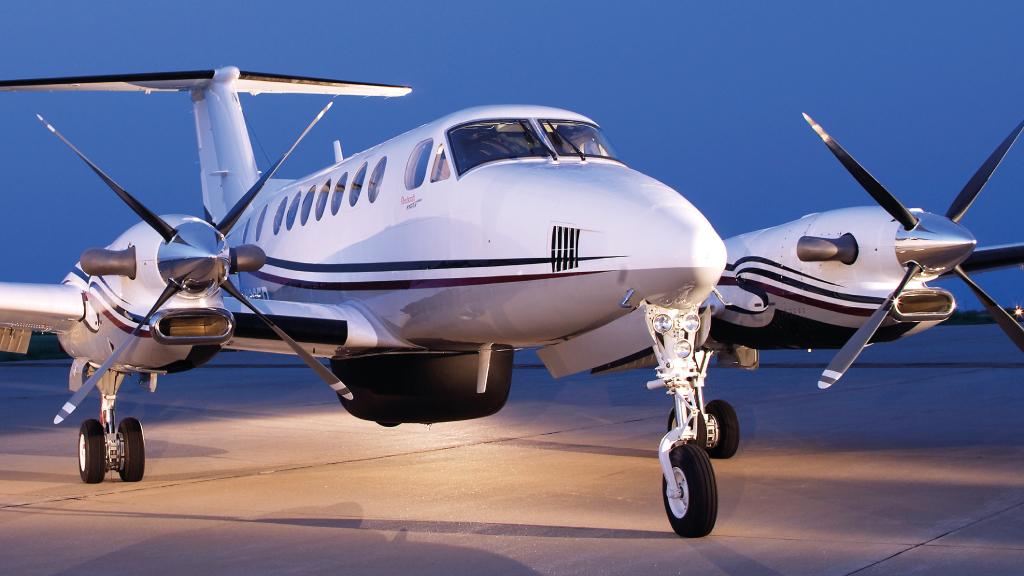
A Simple Guide to Private Jet Ownership
Owning a private jet offers unparalleled flexibility, comfort, and prestige. However, purchasing and maintaining an aircraft requires careful planning, financial commitment, and a deep understanding of various factors. Whether you’re a first-time buyer or looking to upgrade your current jet, this guide will provide easy-to-follow steps to help you navigate the process of buying and managing a private jet.
Step 1: Determine Your Private Jet Needs
Before diving into the private jet market, it’s essential to define your needs clearly. Consider the following factors:
- Usage: Do you need a jet primarily for business, personal travel, or both?
- Flight Range: How far do you typically travel? Some jets are better suited for long-haul flights, while others excel at regional trips.
- Passenger Capacity: How many passengers do you plan to accommodate on a regular basis? Jet sizes vary from light jets with seating for 4-6 passengers to larger jets that can seat over 15 people.
- Budget: Be sure to factor in the total cost of ownership, including the initial price, maintenance, fuel, and insurance.
Step 2: New or Pre-Owned Private Jets
One of the first decisions you’ll face when buying a private jet is whether to purchase a brand-new or pre-owned aircraft. Both options come with their own advantages and considerations:
- New Jets: Buying a brand-new jet allows you to customize the aircraft to your preferences, including interiors, avionics, and performance specifications. You’ll also get the latest technology and manufacturer warranties. However, new jets come at a premium price.
- Pre-Owned Jets: Purchasing a pre-owned jet can offer significant savings. Many used jets are well-maintained and can serve you for years to come. However, you may have to invest in upgrading certain features, such as interior refurbishment or avionics updates.
Step 3: Key Considerations for Buying a Private Jet
When considering your purchase, keep these important factors in mind:
- Aircraft Type and Size: There are different categories of jets based on size, range, and performance. Choose one based on your travel needs:
- Light Jets: Ideal for regional travel with 4-6 seats (e.g., Cessna Citation Mustang).
- Midsize Jets: Offers more cabin space and longer range (e.g., Hawker 800XP).
- Heavy Jets: Best for international flights, offering luxurious interiors and ample space (e.g., Gulfstream G650).
- Super Mid-Size Jets: Balances performance and comfort, with good range for long-haul flights (e.g., Bombardier Challenger 350).
- Operational Costs: Don’t just consider the purchase price. You’ll need to account for ongoing costs, such as:
- Fuel: Private jets consume a lot of fuel, and costs can vary depending on the aircraft size and distance traveled.
- Maintenance and Upkeep: Regular maintenance is essential for safe operation and preserving the value of your jet.
- Insurance: Aircraft insurance is mandatory and varies depending on the aircraft type, age, and usage.
- Performance Specifications: Consider the aircraft’s range, speed, and fuel efficiency. These factors will impact your operational costs and the convenience of your trips.
- Interior and Customization: When buying a jet, consider the cabin layout, seat configurations, and interior design options. Many jets offer customizable interiors to suit your style and comfort.
Step 4: Aircraft Inspection and Pre-Purchase Checks
Before finalizing any purchase, it’s critical to conduct a thorough inspection. Hire a certified aircraft inspector to review the following:
- Maintenance History: Ensure the aircraft has been regularly maintained and properly serviced.
- Flight Logs: Check the jet’s flight hours, any previous damage, and repair history.
- Structural Integrity: Inspect for any wear and tear that may need attention.
- Avionics and Systems: Ensure all instruments and systems are up-to-date and functioning.
Step 5: Financial Considerations and Financing Options
The price of a private jet can range from a few million dollars to over $70 million for a top-of-the-line aircraft. Financial planning is essential. Some buyers choose to finance the purchase, while others pay in full.
- Financing Options: There are a variety of financing options available, including loans, leasing arrangements, and fractional ownership programs.
- Leasing vs. Buying: If you don’t want the responsibility of full ownership, consider leasing an aircraft. This provides flexibility without the long-term commitment.
- Tax Implications: Consult with an aviation attorney or tax advisor to understand any tax benefits or implications of owning a jet.
Step 6: Negotiating the Purchase
Once you’ve chosen the jet you want, it’s time to negotiate the purchase price and finalize the deal. You may want to enlist the help of a private aviation consultant or broker to assist with the negotiation process. They can help you get the best price and ensure the transaction is handled smoothly.
Step 7: Finalizing the Purchase and Ownership Transfer
When the terms are agreed upon, finalize the transaction and ownership transfer. Key steps include:
- Ownership Transfer: Ensure the aircraft is registered with the appropriate aviation authorities.
- Insurance Coverage: Secure the necessary insurance coverage to protect your investment.
- Customization and Upgrades: If you purchased a pre-owned jet, you may wish to customize or upgrade certain aspects of the interior.
Step 8: Ongoing Maintenance and Jet Management
Owning a private jet involves ongoing maintenance and management. Some owners choose to hire a jet management company to handle the operational responsibilities, including staffing, maintenance, and scheduling flights. This ensures the jet is always in top condition and ready for use.
Step 9: Enjoying the Benefits of Private Jet Ownership
The final step is to enjoy the many benefits of owning a private jet, including:
- Convenience: Skip the hassles of commercial airports and enjoy direct, non-stop flights to your desired destinations.
- Flexibility: Fly on your schedule, change plans easily, and travel to more remote locations.
- Privacy: Enjoy the luxury of a private cabin for personal or business use.
Conclusion
Owning a private jet offers a lifestyle of freedom, convenience, and luxury. By following these user-friendly buying steps, you can make an informed decision and ensure that your jet ownership experience is as smooth as possible. From initial research to final purchase and beyond, this guide has everything you need to understand the world of private jet ownership.


