


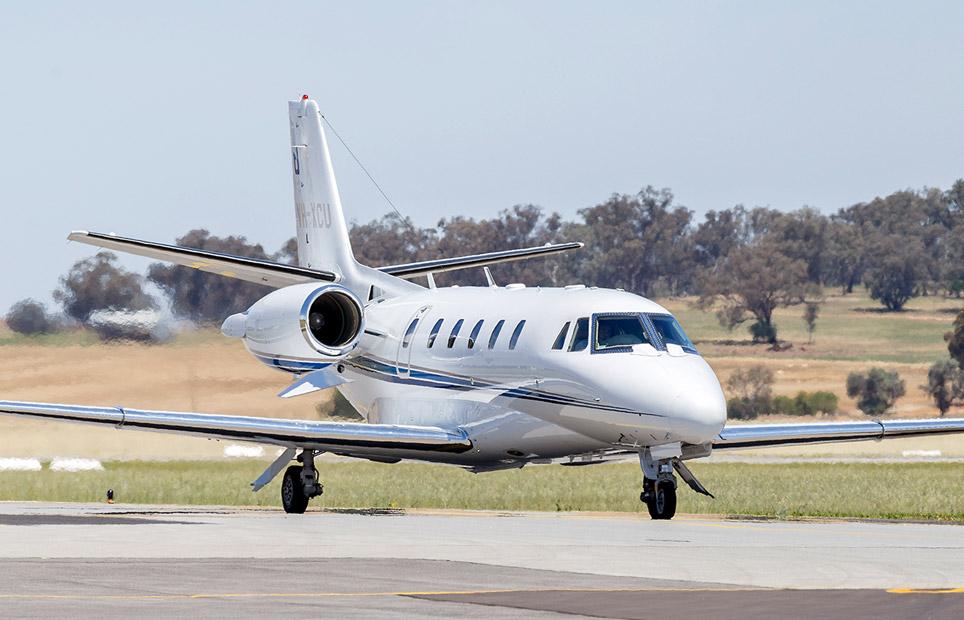
Purchasing a private jet is more than just acquiring a luxury asset; it’s an investment that requires careful consideration, a strategic approach, and a deep understanding of the aviation market. Whether you are a seasoned investor or a first-time buyer, making the right choice will not only enhance your lifestyle but also ensure that your financial investment in the jet pays off in the long run.
In this comprehensive guide, we’ll explore the essential steps and strategies for purchasing a private jet that aligns with your personal or business needs. By focusing on smart investment practices, creative techniques, and market insights, you can secure an aircraft that offers both luxury and long-term financial value.
- Understanding Your Jet Ownership Objectives
Before diving into the purchase process, it’s crucial to define your ownership goals. What do you hope to achieve with your private jet purchase? Whether you plan to use the jet primarily for business, leisure, or a combination of both, understanding your objectives will guide your decision-making and ensure that your investment aligns with your lifestyle.
Business vs. Personal Use: If you are purchasing a jet for business purposes, you may prioritize efficiency, speed, and the ability to transport a team. On the other hand, if the jet is primarily for personal leisure, comfort, luxury features, and range might take precedence.
Frequency of Use: Assess how often you plan to use the jet. If it’s going to be used frequently, you might prioritize efficiency and operational cost-saving features, such as fuel efficiency and reduced maintenance costs. For infrequent users, you might focus on comfort and luxury features instead.
Resale Value: Consider your long-term investment goals. Even if you plan to use the jet primarily for personal use, you may want to ensure that it retains its value should you decide to sell it in the future. Resale value is influenced by factors like model popularity, condition, and market demand.
By having a clear understanding of your objectives, you can streamline your options and make a more informed purchase.
- Selecting the Right Aircraft: Size, Type, and Features
The aircraft you choose will greatly impact your experience as an owner and the overall value of your investment. Several key factors influence which jet is right for you:
Size and Capacity: Different jets come in varying sizes, from light jets that carry a handful of passengers to heavy jets that accommodate large groups. Your decision will depend on the number of passengers you need to accommodate and the typical length of your flights.
Jet Range: The range of the jet is another important consideration. Light jets may be sufficient for regional travel, while midsize and heavy jets are necessary for long-haul flights. Choosing the right range ensures that you don’t overpay for features you won’t use, while still meeting your travel needs.
Aircraft Age and Condition: Newer jets generally offer the latest technology, enhanced performance, and better fuel efficiency. However, they come at a higher price tag. Used jets can provide a more affordable option, but it’s important to thoroughly inspect the aircraft’s history and condition to avoid future maintenance issues.
Interior Features: Luxury is a significant factor in private jet ownership, and customization options can make a huge difference. Consider factors like cabin configuration, seating, entertainment systems, and in-flight services that will enhance your experience.
Technology and Safety Features: Modern jets come equipped with advanced technology, including autopilot systems, navigation, and safety features. Investing in a jet with cutting-edge technology ensures not only a smooth and efficient flight but also superior safety for you and your passengers.
Taking the time to select an aircraft that meets your specific needs will help you avoid unnecessary expenses and ensure that your purchase is aligned with your goals.
- Budgeting and Financing Your Private Jet
Private jet ownership is a significant financial commitment, and proper budgeting is key to ensuring the investment is financially viable. In addition to the upfront cost of purchasing the jet, you need to factor in operating and maintenance costs, which can add up quickly.
Initial Purchase Cost: The price of a private jet can range from a few million dollars for a light jet to over $100 million for a new heavy jet. Setting a clear budget helps you narrow down your options and avoid overspending.
Operating Costs: Operating costs include fuel, insurance, crew salaries, and maintenance. These costs vary depending on the size of the aircraft and its usage. For example, a larger jet may require more crew members, fuel, and maintenance, resulting in higher costs.
Maintenance and Repairs: Like any other piece of machinery, private jets require regular maintenance to ensure they remain operational and safe. Be sure to set aside a portion of your budget for unexpected repairs and routine maintenance.
Financing Options: If you’re not able to pay for the jet outright, there are financing options available. Many buyers choose to finance their purchase with a loan or lease. Understanding the terms and interest rates of these financing options is essential to avoid overextending your finances. If you’re leasing, make sure to factor in any additional fees for maintenance and operational support.
By thoroughly assessing the total cost of ownership, including both the initial and ongoing expenses, you can better determine the financial feasibility of purchasing a jet.
- Utilizing Tax Benefits and Financial Incentives
One of the major financial advantages of owning a private jet is the ability to capitalize on tax benefits, particularly if the jet is used for business purposes. Many buyers overlook these opportunities, but proper tax planning can help offset some of the high costs associated with ownership.
Depreciation: The IRS allows for depreciation on business aircraft. If you use your jet primarily for business, you can depreciate the cost of the aircraft over several years, which reduces your taxable income.
Operating Deductions: Operational expenses such as fuel, maintenance, and insurance may also be deductible if the jet is used for business purposes. This can significantly reduce the overall cost of ownership.
Sales Tax: Depending on the state in which you purchase the jet, you may be able to take advantage of tax exemptions or reductions. Some states offer tax incentives to encourage aircraft purchases, so it’s important to research your options before buying.
Consulting with a tax advisor who specializes in aviation can help you make the most of these financial incentives, potentially saving you a significant amount over time.
- Ensuring Long-Term Value: Maintenance and Management
Owning a private jet is an ongoing commitment that requires careful management to ensure it remains a valuable asset. Proper maintenance and management practices will not only protect your investment but also preserve its resale value over time.
Routine Maintenance: Regularly scheduled maintenance is vital to keeping the aircraft in peak condition. Work with a reputable service provider to develop a long-term maintenance plan that covers everything from engine checks to cabin upkeep.
Resale Value: By maintaining your jet in excellent condition, you help preserve its resale value. Keeping detailed records of all maintenance and repairs makes it easier to sell the aircraft when you decide to upgrade.
Operational Efficiency: Optimizing the use of your jet through careful flight planning and efficient operations can reduce wear and tear, helping to lower long-term maintenance costs and preserve the aircraft’s value.
Management Companies: If you lack the time or expertise to handle all aspects of jet ownership, consider hiring a jet management company. These professionals can handle scheduling, maintenance, crew management, and other logistical aspects, ensuring that your jet is well-maintained and ready for use.
By putting in place a robust management and maintenance plan, you can ensure that your jet remains an asset that delivers value for years to come.
- Exploring Resale and Leaseback Opportunities
While it’s not always the primary goal of jet owners, resale and leaseback opportunities can help you maximize the financial return on your investment. There are a few strategies to consider:
Resale: When you’re ready to sell your jet, the market conditions and the condition of your aircraft will largely determine the price you can ask for it. Stay informed on market trends to time your sale for maximum value.
Leaseback: If you no longer need full ownership but want to keep access to the jet, leaseback arrangements offer an opportunity to sell the aircraft to a leasing company while continuing to lease it for personal or business use. This allows you to recoup some of the purchase price while still retaining access to the aircraft.
By understanding the potential resale and leaseback opportunities, you can plan ahead to maximize the financial return when the time comes to transition from ownership.
Conclusion
Purchasing a private jet is a significant decision that requires careful consideration, research, and strategic planning. By following these essential steps, defining your objectives, selecting the right aircraft, managing costs, and leveraging financial opportunities, you can make a smart investment that aligns with your goals.
A private jet is more than just a luxury item; it’s a valuable asset that can provide both personal satisfaction and financial benefits. Whether you use it for business, leisure, or both, making the right choices during the purchase process ensures that your investment delivers lasting value. With a creative approach to ownership, you’ll be able to fully enjoy the benefits of private jet travel while maximizing your return on investment.


