


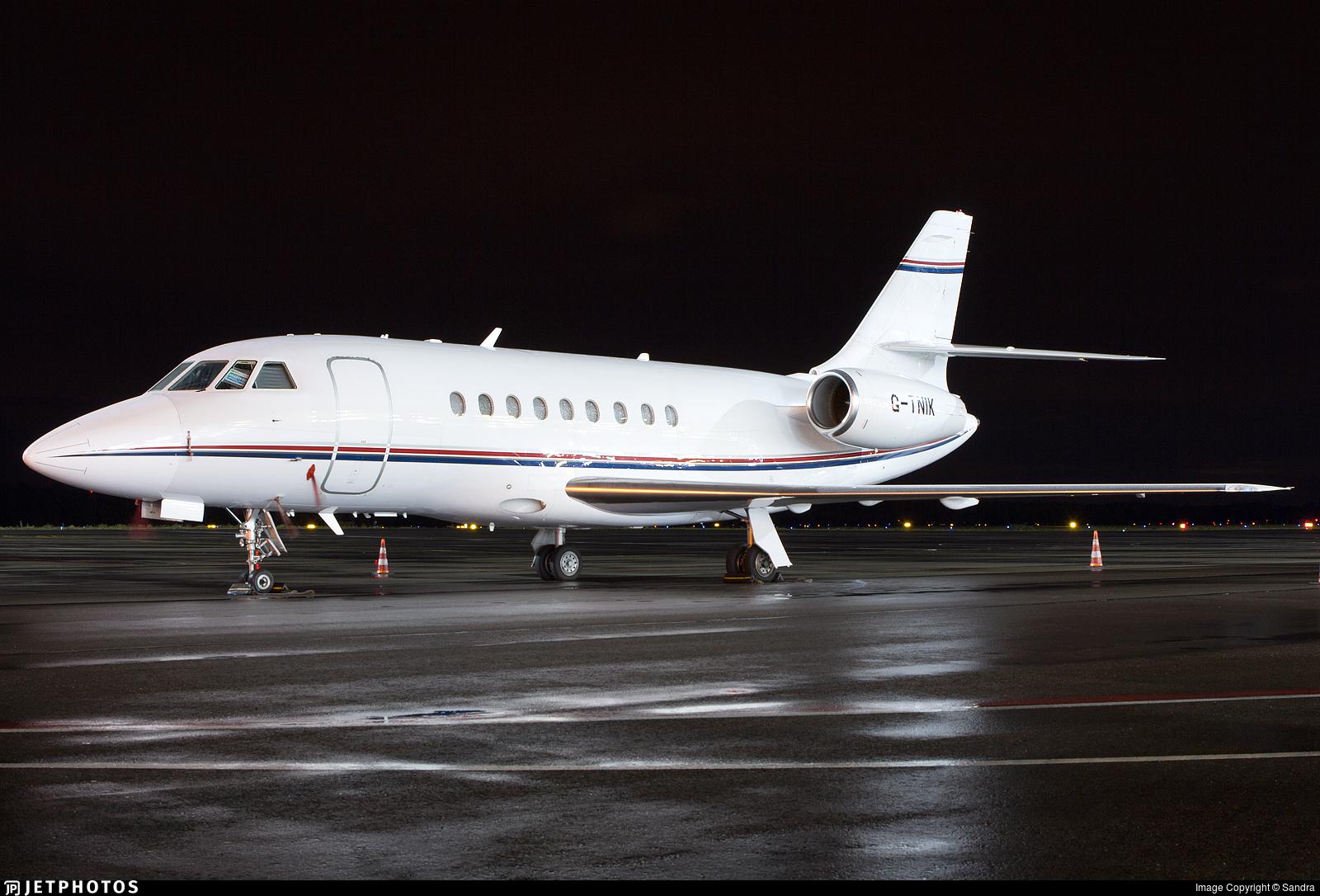
When it comes to private jet purchases, securing the perfect aircraft can feel overwhelming, especially for those unfamiliar with the nuances of the luxury aviation market. However, with the right approach, even the most complex transactions can be transformed into seamless, rewarding experiences. This guide presents elite financial success strategies and creative techniques to navigate the world of private jet ownership with confidence and ease.
Understanding the Private Jet Market
Before diving into the purchase process, it is crucial to gain a comprehensive understanding of the private jet market. The luxury aviation industry is vast and varied, with a wide range of aircraft options that cater to different needs, preferences, and budgets. Whether you’re interested in a small, private plane for personal travel or a larger aircraft for business and leisure, the market offers diverse options to match your specific criteria.
Aircraft Categories and Classifications
Private jets are typically categorized into four distinct classes based on size, range, and amenities:
Light Jets – These are smaller jets designed for short to medium-range travel, perfect for quick getaways and smaller groups. Popular models include the Cessna Citation CJ4 and Embraer Phenom 300.
Midsize Jets – Offering a bit more space and comfort, midsize jets are ideal for longer trips, carrying 6-8 passengers. Common examples include the Hawker 800XP and Bombardier Learjet 60.
Heavy Jets – These jets are built for long-haul flights and can accommodate larger groups, often exceeding 10 passengers. Models like the Gulfstream G650 and Bombardier Global 6000 fall into this category.
Ultra-Long-Range Jets – The summery of luxury travel, these jets are equipped for transcontinental flights and come with state-of-the-art amenities. The Gulfstream G700 and Dassault Falcon 8X are prime examples.
Key Considerations Before Making a Purchase
There are several factors to consider before committing to a private jet purchase. Understanding these factors ensures that you make an informed decision that aligns with your financial goals and travel needs.
Budget and Financing Options
Private jets represent a significant financial commitment, and it’s essential to establish a clear budget. Costs can vary drastically depending on the aircraft’s class, age, and features. It’s also worth noting that private jet ownership involves additional expenses, such as maintenance, hangar fees, and staffing.
Financing a jet purchase may involve securing a loan or working with specialized aviation financing companies. In many cases, the financing terms are tailored specifically to high-net-worth individuals, with flexible options for private jet loans and leasing agreements.
Maintenance and Upkeep
Ownership of a private jet goes beyond the initial purchase price. Regular maintenance is a necessity to ensure the aircraft remains in optimal condition. This includes inspections, engine overhauls, and more. While some buyers opt for full-service management companies that handle maintenance, others prefer to work directly with aviation maintenance providers.
Tax Implications and Benefits
Private jet ownership can offer significant tax advantages, especially for business owners. In certain situations, you may qualify for tax deductions related to business travel. Understanding the tax implications of your purchase is crucial for optimizing financial outcomes. Consulting with a tax advisor who specializes in aviation-related matters can provide valuable insights.
Aircraft Performance and Range
When considering a private jet purchase, it’s essential to evaluate the performance specifications of the aircraft. Key metrics such as range, cruising speed, and fuel efficiency play a crucial role in determining the most suitable jet for your needs. For instance, if you frequently travel long distances or across continents, an aircraft with a long-range capability is essential.
The Right Aircraft for Your Needs
Choosing the right aircraft is critical for long-term satisfaction and utility. For business owners, a jet capable of accommodating meetings and providing a productive work environment is essential. On the other hand, personal travelers may prioritize comfort, luxury, and cabin space. Take the time to match your requirements with the specifications offered by various aircraft models.
Building a Strong Network of Industry Experts
One of the most effective ways to navigate the private jet market is by building relationships with industry experts. These professionals offer invaluable insights into the buying process, helping you avoid costly mistakes and securing the best possible deal.
Aviation Brokers
Aviation brokers are intermediaries who specialize in connecting buyers with sellers. These professionals have an in-depth understanding of the market and can guide you in selecting the right aircraft for your needs. A reputable broker also helps negotiate favorable terms and conditions, ensuring a smooth transaction.
Aircraft Management Companies
If you decide to hire an aircraft management company, they will be responsible for overseeing all aspects of your jet’s operations, including maintenance, crew management, and scheduling. Their expertise can prove invaluable, especially if you lack the time or knowledge to manage these tasks personally.
Private Jet Lawyers and Consultants
Navigating the legal and regulatory aspects of private jet ownership can be complex. A private jet lawyer can help you understand the legal frameworks surrounding aviation ownership, including aircraft registration, insurance, and contracts. Additionally, consultants can assist in evaluating aircraft values, appraising models, and determining the best options for tax advantages.
Negotiation Tactics for Securing the Best Deals
Negotiating the best deal for a private jet purchase requires a blend of expertise, creativity, and strategy. Here are a few negotiation tactics that can help you achieve a favorable outcome:
Market Research
Before engaging in negotiations, conduct thorough market research to understand the current market value of the aircraft you’re interested in. Knowing the fair market price allows you to spot overpricing or undervaluation, giving you an upper hand during discussions.
Leverage Multiple Sellers
If you’re looking to purchase a new jet, leverage multiple sellers to compare prices and terms. Similarly, if you are considering a pre-owned jet, don’t settle for the first offer you receive. The more options you have, the better your chances of securing a favorable deal.
Understand the Seller’s Motivation
In private jet transactions, understanding the seller’s motivation is key to negotiating the best price. If the seller is eager to close the deal quickly, you may have room to request a discount. On the other hand, if the seller is firm in their price, exploring additional incentives, such as maintenance credits or upgrade packages, can sweeten the deal.
Use a Broker to Facilitate the Deal
A skilled aviation broker can assist in negotiating terms and conditions, especially when dealing with complex transactions. Brokers are often adept at securing value-added services, such as complimentary training or extended warranties, which enhance the overall value of the purchase.
Finalizing the Purchase and Ensuring Success
Once you’ve successfully negotiated the terms and secured the aircraft, it’s time to finalize the purchase and ensure that all aspects of ownership are covered. This process involves paperwork, transfer of ownership, and setting up logistics to ensure your jet is ready for immediate use.
Legal Documentation
The transfer of ownership is an essential part of any jet purchase. A private jet lawyer should review all contracts, ensuring that the documentation aligns with your goals. This includes reviewing purchase agreements, insurance policies, and warranty documents to ensure you’re fully protected.
Aircraft Inspection
Before taking possession of the jet, a thorough aircraft inspection is crucial. Even if you trust the seller, an independent inspection by a certified aviation professional ensures that the aircraft is in the best possible condition. This step helps identify potential issues that may need to be addressed before finalizing the deal.
Post-Purchase Support
Finally, ensure that post-purchase support is in place to maintain the aircraft and optimize its use. Working with an aircraft management company or a dedicated support team helps ensure that your jet remains in top condition, ready to meet your needs whenever you need it.
Conclusion
Mastering the private jet purchase process requires a mix of strategic thinking, creativity, and expert insights. By taking the time to understand the market, building a network of professionals, and applying proven negotiation tactics, you can achieve elite financial success and enjoy the luxury of private jet ownership. Remember, this is an investment that, when done right, offers both immediate and long-term rewards. Whether for business or leisure, the right jet can enhance your lifestyle in ways you never imagined.


