


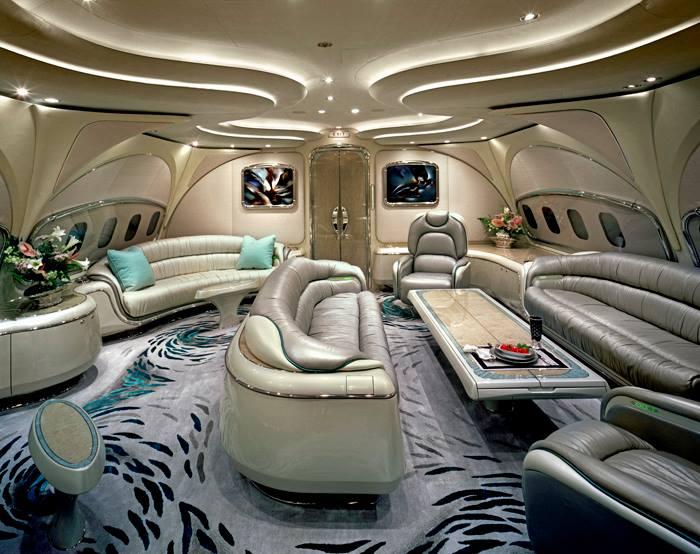
Purchasing a private jet is a significant decision that involves much more than simply choosing the right aircraft. Whether you are an individual looking to elevate your lifestyle or a business seeking to optimize travel efficiency, this decision requires strategic thinking and an understanding of both the financial and operational aspects of jet ownership.
A private jet offers unparalleled convenience and luxury, but it also comes with substantial responsibilities and costs. To ensure that your investment in a private jet is financially sound and aligns with your long-term goals, it’s important to approach the purchase process with a roadmap that maximizes value and minimizes risk.
This guide will provide you with a comprehensive and creative roadmap for maximizing your private jet investment, covering everything from evaluating your needs to optimizing your purchase and ongoing ownership costs.
- Evaluate Your Needs: The Foundation of Your Purchase
The first step in maximizing your private jet investment is understanding your unique needs. Whether you plan to use the jet for business, leisure, or both, identifying how you intend to use the aircraft will influence the type of jet you choose and the costs associated with ownership.
- Determine Your Travel Frequency and Range
How often will you be flying? If you’re using the jet primarily for business, your frequency of travel might dictate the need for a larger, long-range jet. On the other hand, if you’re purchasing the jet for occasional leisure travel, a smaller jet with a shorter range might suffice.
What is the range of your typical flights? If your routes are domestic or regional, a mid-size jet with a range of up to 3,000 miles will be sufficient. For international or long-haul flights, you’ll want a jet with a range of 5,000 miles or more.
- Consider Cabin Capacity and Amenities
When evaluating your needs, consider the number of people who will be flying with you. Some jets can comfortably accommodate fewer than 10 passengers, while others are designed to carry 20 or more. Think about the following:
Passenger capacity: Do you need seating for just yourself, or will you often travel with family, colleagues, or clients? A light jet can accommodate 4 to 8 people, while a heavy jet can seat up to 20.
Interior amenities: Do you need luxurious amenities like sleeping quarters, full-sized bathrooms, or a fully equipped conference room? The more features you require, the more the jet will cost, both upfront and in terms of maintenance.
- Financial Considerations: Creative Ways to Maximize Your Investment
Private jet ownership requires a significant financial investment, both upfront and ongoing. However, there are strategies you can use to maximize your investment and make the most of the benefits private jet ownership provides.
- Understand the Total Cost of Ownership
The total cost of ownership extends far beyond the purchase price. Consider these ongoing costs:
Maintenance: Routine inspections, repairs, and upgrades can add up over time. Be sure to set aside a maintenance budget, which can range from $200,000 to over $1 million annually, depending on the size of your jet and its usage.
Insurance: Insurance premiums are another ongoing expense to factor into your financial plan. The cost can vary depending on the jet’s size, age, and usage, but it’s typically between $100,000 and $500,000 per year.
Fuel and Operational Costs: Fuel costs, depending on the size of your jet and the number of hours flown, can range from $500,000 to several million dollars annually. You’ll also need to consider hangar fees, crew salaries, and other operational expenses.
- Leverage Financing Options
Rather than paying the full purchase price upfront, you can explore financing options to make your purchase more manageable.
Loans: Aircraft loans are commonly used by private jet buyers to finance their purchase. Similar to a mortgage, you will need to make a down payment, typically 20-30% of the jet’s value, and then repay the loan over time with interest.
Leasing: Leasing a jet can be an attractive option for those who don’t want the long-term commitment of ownership. Aircraft leasing allows you to pay a monthly fee for the right to use the jet, typically with an option to purchase at the end of the lease term.
- Tax Advantages and Deductions
Private jet owners can also take advantage of various tax benefits, particularly if the jet is used for business purposes. These benefits can include:
Depreciation: Aircraft are eligible for depreciation, which allows you to write off the value of the jet over time.
Business Use Deductions: If you use your jet for business travel, you may be able to deduct operational costs such as fuel, maintenance, and crew salaries. Be sure to consult with a tax professional to ensure you’re maximizing your deductions.
- Choosing the Right Jet: Market Trends and Creative Considerations
The market for private jets can be competitive and constantly evolving. Understanding the market dynamics and choosing the right jet for your needs are crucial to making a wise investment.
- New vs. Pre-Owned Jets
Deciding whether to buy a new or pre-owned jet is a key decision that will impact both your budget and the overall cost of ownership.
New Jets: New jets come with the latest technology and customization options but come with a higher price tag. Newer jets also tend to have a higher resale value, but depreciation can be steeper in the first few years.
Pre-Owned Jets: Pre-owned jets are typically more affordable and may already be outfitted with the features you need. However, you must carefully assess the jet’s condition, age, and maintenance history to avoid costly repairs in the future.
- Explore Market Trends
Keep a close eye on market trends, as the prices of private jets can fluctuate based on factors like demand, new aircraft models being introduced, and economic conditions. Working with an aviation broker can help you stay ahead of the market, and they can provide valuable insights into when is the best time to buy.
- Customization Options
Private jets can be highly customized, but customization can be an expensive process. Work with the jet manufacturer or an aircraft designer to ensure that the customization meets your needs without exceeding your budget. Consider whether you want to upgrade the cabin’s interior, add new communication systems, or incorporate other luxury features.
- Negotiation and Closing the Deal: Securing the Best Price
Once you’ve decided on the right jet and financial strategy, the next step is negotiating the best deal. Effective negotiation is essential for maximizing the value of your purchase and ensuring that you get the best terms possible.
- Engage an Experienced Broker
An experienced aviation broker can be invaluable when it comes to negotiating the purchase price and terms. Brokers have industry connections and access to off-market deals, which can give you an edge in securing a better price.
- Understand Seller Motivations
Understanding the motivations of the seller can give you an advantage in negotiations. For instance, if the seller needs to offload the jet quickly, they may be more willing to negotiate on price or offer added incentives like free maintenance for a year or extended warranty coverage.
- Evaluate Additional Costs
Negotiate the inclusion of any additional costs in the purchase price, such as delivery fees, inspections, or taxes. These costs can add up quickly, so ensure they are included in the overall deal.
- Post-Purchase Management: Maximizing Efficiency and Minimizing Costs
Once your private jet is purchased, your goal is to maximize efficiency and minimize ongoing costs. The best way to ensure that your jet continues to provide value is by properly managing its operations and maintenance.
- Hire a Dedicated Aircraft Management Company
An aircraft management company can help handle the day-to-day operations of your jet, including staffing, scheduling, and maintenance. By outsourcing these tasks, you can ensure that your jet is well-maintained and ready to fly at any moment.
- Consider Chartering Your Jet
If you don’t use the jet frequently, consider chartering it when it’s not in use. This can help offset the costs of ownership and generate income from your aircraft.
- Regularly Monitor Costs
Monitor operational costs and assess whether there are any areas where you can reduce expenses. For example, flying with a more efficient flight plan or adjusting your flight schedule to avoid peak fuel prices can help minimize costs.
- Conclusion: A Strategic, Rewarding Investment
Purchasing a private jet is a major financial commitment, but by approaching the acquisition process with a creative roadmap and strategic planning, you can maximize your investment and enjoy the luxury and convenience of private jet ownership for years to come. By evaluating your needs, leveraging financing options, and working with industry experts, you’ll be well on your way to securing the best deal and ensuring that your jet provides the value and returns you expect.


