


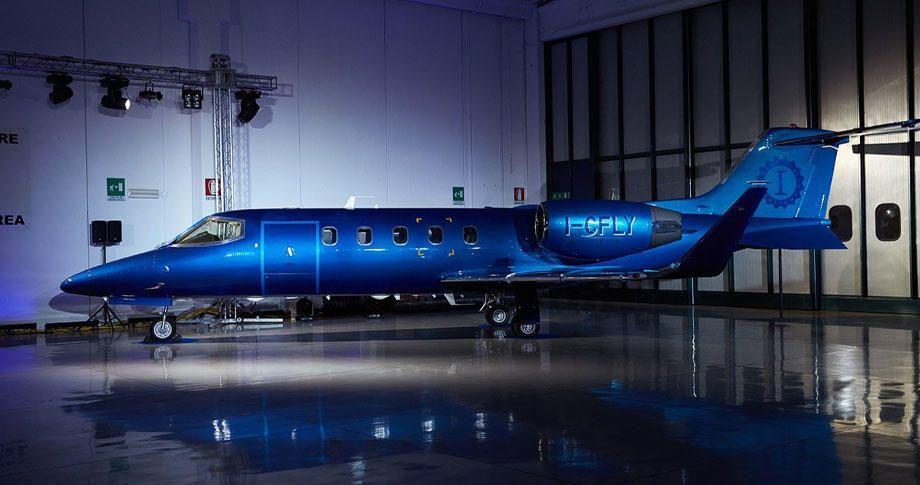
In this guide, we’ll explore the most creative strategies to ensure a smooth and profitable acquisition. From understanding your unique needs to navigating the private jet market, we’ll outline the key steps to unlocking the door to exclusive jet ownership.
- Understanding Your Unique Needs: Tailoring the Jet to Your Lifestyle
Before diving into the technicalities of purchasing a private jet, it’s essential to fully understand your own needs and lifestyle. This involves identifying your specific travel requirements, preferences for jet features, and overall goals for the acquisition. When buying a private jet, the process is not one-size-fits-all, your jet should be designed to fit your personal or business use as well as your financial situation.
Key Considerations:
Purpose of the Jet: What will the primary use of the jet be? Business travel, leisure, or both? The size and capabilities of the jet will vary depending on whether it’s used primarily for international flights or shorter domestic trips.
Passenger Capacity: Consider how many people typically accompany you on your travels. Do you regularly fly with family, clients, or business partners? Your jet’s size should match your typical travel party.
Luxury and Comfort Features: Are you looking for state-of-the-art technology and luxurious amenities? Features like custom seating, entertainment systems, kitchens, and even private sleeping quarters can be added to your jet, depending on your preferences.
Range and Speed: How far and how fast do you plan on flying? Jets with longer ranges will be necessary for transcontinental or international flights. Similarly, the speed of the jet can be crucial for minimizing travel time between destinations.
- Conducting Market Research: Identifying Opportunities
In order to make a smart investment, it’s critical to conduct thorough research on the private jet market. Knowing what’s available and understanding the trends in jet prices, demand, and availability can help you uncover opportunities for securing the best deals.
Key Market Insights:
Understanding the Types of Jets: Private jets come in a variety of categories, each suited for different types of travel. Light jets are great for shorter trips, while heavy jets or ultra-long-range jets are perfect for international travel.
New vs. Pre-Owned Jets: New jets may come with the latest technology and customizations, but they also come with a premium price tag. Pre-owned jets, on the other hand, may offer great value, especially if they have been well-maintained and are available at a lower cost.
Jet Market Trends: The private jet market fluctuates based on several factors, including economic conditions, fuel prices, and demand for travel. Understanding these trends can help you time your purchase to get the best possible value.
Steps to Take:
Monitor Pricing Trends: Keep an eye on pricing trends for different jet models. Market conditions can influence the prices of both new and pre-owned jets.
Leverage Relationships with Brokers: Private jet brokers can be invaluable in helping you navigate the market. Establishing a good relationship with a trusted broker will provide access to exclusive listings and valuable insights.
- Crafting a Smart Budget: Financing and Ownership Costs
While the upfront purchase price is a major consideration, it’s important to factor in all of the ongoing costs associated with jet ownership. The total cost of ownership includes maintenance, insurance, fuel, and staff salaries, among other expenses.
Breaking Down Ownership Costs:
Initial Purchase Price: Depending on the jet size and type, initial prices can range from a few million dollars for smaller jets to tens of millions for larger, more luxurious models.
Maintenance Costs: Expect to spend anywhere from $300,000 to $1 million annually on maintenance and inspections, depending on the jet’s age and condition.
Fuel and Operating Costs: The cost of fuel is one of the largest operating expenses. A larger jet will consume more fuel, so consider the ongoing costs based on how much you plan to fly.
Crew and Staffing: If you hire a full-time crew (pilots, flight attendants, maintenance staff), salaries can add significant costs. Some owners may choose to hire seasonal or contracted crew members to reduce ongoing expenses.
Insurance: Depending on the value of your jet, insurance premiums can cost upwards of $50,000 to $150,000 annually.
- Leveraging Creative Financing Strategies: Funding Your Jet Purchase
Purchasing a private jet requires significant capital, and many buyers choose to explore different financing options rather than paying in full upfront. Whether you’re purchasing a new jet, a pre-owned aircraft, or considering fractional ownership, there are various creative financing solutions that can make the acquisition more manageable.
Key Financing Options:
Outright Purchase: If you have the funds available, paying for the jet outright can be the most straightforward and cost-effective option. However, this requires substantial liquidity, which may not always be feasible for investors.
Aircraft Loans: Jet loans allow buyers to finance their purchase, often with lower interest rates than traditional loans due to the value of the asset. Many private jet owners use loans to manage cash flow while still acquiring the asset.
Leasing: For those who prefer flexibility, leasing a private jet can be an ideal option. Depending on your needs, you can lease a jet for a few months or several years. This strategy works especially well for those who don’t need to fly frequently enough to justify outright ownership.
Fractional Ownership: Fractional ownership allows you to buy a share of a jet rather than the entire aircraft. This is an effective option if you don’t need full-time access to a jet but still want the benefits of private aviation.
Tax and Depreciation Considerations: Consult with an aviation tax expert to explore the potential tax advantages of owning a private jet, including depreciation deductions and possible tax write-offs for business-related travel.
- Conducting Thorough Due Diligence: Ensuring a Safe and Secure Investment
When purchasing a private jet, due diligence is essential to ensure the aircraft you’re investing in is safe, well-maintained, and free of hidden issues. Failure to perform proper inspections can result in costly repairs, safety concerns, and a decrease in the jet’s value over time.
Key Areas for Inspection:
Airframe and Engine Health: An independent aviation inspector should conduct a thorough examination of the aircraft’s airframe and engine. This includes looking for any signs of wear and tear, accidents, or past maintenance issues.
Maintenance History: Always request and review the aircraft’s maintenance log. This will help you identify any recurring issues and ensure that the jet has been properly cared for.
Ownership and Usage History: Investigate the ownership history of the jet, as this can reveal any potential red flags. A jet with multiple previous owners or one that has been heavily used for charter services may have a higher risk of wear and tear.
- Securing the Best Deal: Negotiation and Timing
One of the most important elements of private jet ownership is securing the best deal possible. Private jet transactions are often complex, and negotiation plays a crucial role in ensuring a successful purchase.
Effective Negotiation Tactics:
Work with a Trusted Broker: A reputable broker can assist with negotiations and ensure that you’re getting the best price. Their expertise can be especially valuable in terms of securing exclusive deals.
Understand Market Conditions: The timing of your purchase can greatly impact the deal. Buying when demand is lower (such as during economic downturns) may result in a better deal.
Leverage Your Network: Networking within the private aviation community can uncover off-market jets and opportunities for private deals that might not be available to the general public.
Customize Your Offer: In some cases, offering a non-standard financing structure or bundling other services may help you get the jet at a favorable price.
- Finalizing the Transaction: Closing the Deal
Once all inspections have been completed and you’ve secured the financing, it’s time to close the deal. The final stages of purchasing a private jet involve a formal agreement and the transfer of ownership.
Key Steps in Closing the Deal:
Purchase Agreement: A legally binding agreement will outline the terms of the purchase, including price, payment schedule, and delivery conditions.
Legal and Tax Documentation: Work with aviation attorneys and tax professionals to ensure all legal and tax matters are properly addressed.
Aircraft Registration: Once ownership has transferred, you’ll need to register the aircraft with the appropriate aviation authorities, which may vary based on your location.
Conclusion
Unlocking exclusive private jet ownership requires careful consideration, planning, and creativity. From understanding your needs and budgeting to securing financing and negotiating the best deal, each step in the process is critical to ensuring a successful acquisition. By following this creative blueprint, you can confidently navigate the world of private jet ownership, ensuring that your investment aligns with your lifestyle, business goals, and long-term aspirations.


