


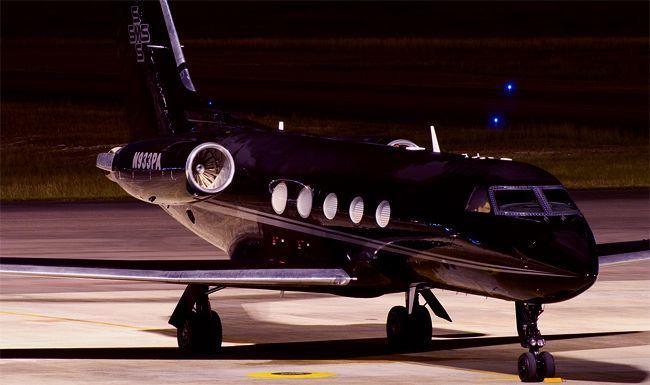
Private jet travel has grown in popularity over the years, offering travelers a very uniqueed convenience, comfort, and flexibility. However, as with any form of air travel, safety remains a top priority. While private jet flights may offer a more personalized experience compared to commercial airlines, they come with their own set of safety protocols, regulations, and considerations. Whether you’re flying for business, leisure, or political purposes, understanding the safety measures involved in private jet travel is essential for ensuring a secure and comfortable journey. In this comprehensive guide, we will explore the various aspects of private jet safety, including the regulations, technologies, maintenance procedures, and best practices that contribute to safe air travel.
The Regulatory Framework for Private Jet Safety
Private jet safety is governed by a set of stringent regulations and standards that ensure the aircraft, crew, and passengers are protected during flight. These regulations are enforced by national aviation authorities, such as the Federal Aviation Administration (FAA) in the United States, the European Union Aviation Safety Agency (EASA) in Europe, and other regulatory bodies across the world. These authorities are responsible for overseeing the safety and operational standards of private jets, ensuring compliance with established rules and guidelines.
The regulatory framework governing private jet safety includes a variety of factors, such as pilot certification, aircraft maintenance, and air traffic control coordination. While commercial airlines are subject to more frequent and rigorous checks due to the larger number of passengers they carry, private jets are still required to meet high safety standards. Pilots operating private jets must hold a valid commercial pilot’s license (CPL) or an airline transport pilot’s license (ATPL), depending on the type of aircraft they are flying. They must also undergo regular training and recurrent safety checks to maintain their qualifications and ensure they are prepared for any emergency situations that may arise during flight.
In addition to pilot certification, private jets are subject to regular safety inspections and maintenance checks. These inspections are designed to identify potential safety issues, such as faulty equipment, structural problems, or engine malfunctions, that could compromise the safety of the flight. Depending on the aircraft type and the number of flight hours, private jets undergo a range of maintenance procedures, from routine checks to more in-depth inspections. These maintenance schedules are governed by regulations established by aviation authorities and aircraft manufacturers to ensure that every jet is airworthy and safe to operate.
The Role of Technology in Enhancing Private Jet Safety
Modern private jets are equipped with state-of-the-art technology designed to enhance safety and improve the flying experience for passengers and crew members. One of the most important technological advancements in private jet safety is the introduction of advanced avionics systems. These systems provide pilots with real-time information about the aircraft’s performance, weather conditions, and air traffic, allowing them to make informed decisions during the flight. For example, modern avionics systems can detect potential weather hazards, such as thunderstorms or turbulence, and provide pilots with alternative routing options to avoid these dangerous conditions.
In addition to avionics systems, private jets are often equipped with collision avoidance technology, such as the Traffic Collision Avoidance System (TCAS) and the Ground Proximity Warning System (GPWS). These systems alert pilots to potential collisions with other aircraft or obstacles on the ground, providing them with ample time to take evasive action if necessary. TCAS works by monitoring the positions of nearby aircraft and advising pilots when they are on a collision course. If a conflict is detected, the system will issue a warning and suggest a maneuver to avoid the collision. GPWS, on the other hand, provides pilots with early warnings about potential terrain or obstacles in their flight path, helping them avoid accidents due to poor visibility or navigational errors.
Private jets are also equipped with weather radar systems that provide real-time data on weather patterns, such as thunderstorms, turbulence, and other hazardous conditions. This information is vital for ensuring safe flight planning and decision-making, as pilots can use the radar data to navigate around areas of severe weather. Additionally, many private jets are equipped with satellite communication systems that allow pilots and passengers to stay connected with air traffic control and other parties on the ground. This communication system is essential for coordinating flight routes, receiving updated weather information, and ensuring that the aircraft remains on course throughout the flight.
Another key technological advancement in private jet safety is the use of enhanced vision systems (EVS). These systems use infrared cameras and other sensors to provide pilots with better visibility in low-light or poor weather conditions. EVS helps pilots navigate during night flights, fog, or heavy rain by providing a clear image of the terrain and other aircraft. This technology enhances situational awareness and allows pilots to make more accurate decisions in challenging flying conditions, reducing the risk of accidents.
Private Jet Maintenance: Ensuring Safety Through Regular Inspections
Regular maintenance is one of the most important factors contributing to the safety of private jets. Aircraft are complex machines that require frequent checks and servicing to ensure that all systems are functioning correctly. Maintenance is typically divided into routine inspections, scheduled maintenance, and unscheduled repairs. Routine inspections are performed at regular intervals and involve checking key components of the aircraft, such as engines, avionics, and airframes. These inspections are designed to identify any wear and tear or issues that could affect the safety of the flight.
Scheduled maintenance is more comprehensive and involves detailed checks of the aircraft’s systems and components. These checks are usually based on the manufacturer’s recommendations and take place at specific intervals, such as after a set number of flight hours or months. For example, after a certain number of flying hours, private jets may undergo a major inspection, which can include disassembling parts of the engine, checking fuel systems, and replacing any worn-out components. Scheduled maintenance is essential for keeping private jets in peak operating condition and ensuring that they meet all safety standards.
Unscheduled repairs are typically required when an issue is detected during a routine inspection or if the aircraft experiences an unexpected malfunction during flight. These repairs can range from minor fixes, such as replacing a faulty light bulb, to more serious issues that require significant downtime for repairs. Private jet operators are required to address any maintenance issues promptly and ensure that the aircraft is grounded until it is deemed safe to fly.
The safety of private jet passengers is directly tied to the quality and reliability of the aircraft’s maintenance. Private jet operators and owners must adhere to strict maintenance schedules and protocols to ensure that their aircraft remain airworthy and meet safety standards. In addition, the use of certified and qualified maintenance personnel is essential for performing repairs and inspections. This ensures that all work is completed to the highest standards and that any potential issues are addressed before they can pose a risk to the flight.
Safety Features for Passengers
In addition to the technological advancements and maintenance procedures that contribute to the safety of private jets, there are also various safety features designed specifically for passenger protection. These features ensure that passengers remain safe and secure throughout the flight, even in the event of an emergency.
One of the key safety features on private jets is the use of advanced seating and restraint systems. These systems include seat belts, airbags, and other mechanisms designed to secure passengers during takeoff, landing, and turbulence. Unlike commercial airlines, where passengers are often required to fasten their seat belts only during specific times, private jet passengers are encouraged to keep their seat belts fastened throughout the flight to minimize the risk of injury in the event of unexpected turbulence or an emergency situation.
Private jets also feature advanced cabin fire suppression systems that are designed to detect and extinguish fires quickly. These systems use smoke detectors, heat sensors, and fire extinguishers to prevent the spread of fire within the cabin. In the event of a fire, the system automatically activates to suppress the flames and alert the crew to take appropriate action. Additionally, private jets are equipped with emergency oxygen masks that deploy in the event of a cabin depressurization, ensuring that passengers have access to breathable air if the cabin loses pressure during flight.
Emergency exits are another important safety feature on private jets. Depending on the size and type of aircraft, private jets typically have multiple emergency exits, including doors and windows that can be quickly opened in the event of an emergency. These exits are designed to provide passengers with a safe and efficient means of evacuation in case of an emergency landing or other crisis.
In addition to these physical safety features, private jets also adhere to strict safety protocols, which include comprehensive emergency training for crew members. Pilots and flight attendants undergo extensive safety training to handle a wide range of potential emergencies, from medical issues to engine malfunctions. This training ensures that the crew is prepared to respond quickly and effectively to any situation that may arise during the flight.
Conclusion: Prioritizing Private Jet Safety
Private jet travel offers numerous benefits, including flexibility, comfort, and convenience, but safety must always remain the top priority. By adhering to strict regulatory standards, implementing advanced technology, and conducting regular maintenance, private jet operators ensure that their aircraft remain safe and reliable. Additionally, with advanced safety features for passengers, such as secure seating, fire suppression systems, and emergency oxygen masks, private jet passengers can enjoy peace of mind knowing that their safety is being prioritized. Whether you are traveling for business or leisure, understanding the safety protocols and features of private jet travel will help ensure a secure and enjoyable flying experience.


