


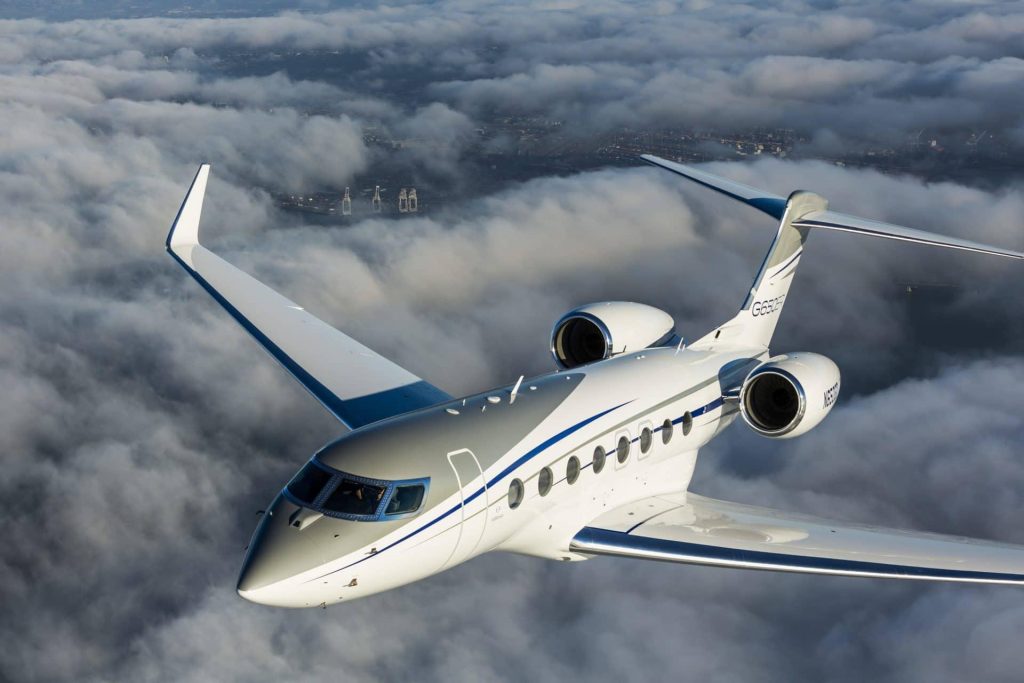
Flying privately offers unmatched luxury, convenience, and privacy. However, with the freedom that comes with private jet travel, there are also unique security considerations that every passenger should be aware of. While private jets offer a significantly lower risk of common security threats that are present in commercial aviation, the responsibility of ensuring security still falls on both the jet operators and the passengers themselves.
Private jet security encompasses a range of factors, including safeguarding personal information, securing the aircraft, and ensuring safety protocols are followed both on the ground and in the air. In this article, we will explore everything you should know about private jet security before you board, so you can travel with confidence and peace of mind.
Meta Description:
Learn everything you need to know about private jet security. Understand the essential safety measures, personal privacy protocols, and tips to ensure your flight is safe and secure.
Understanding Private Jet Security
Private jet security is about more than just the physical protection of the aircraft; it includes safeguarding your personal data, ensuring confidentiality, and complying with aviation regulations. Unlike commercial flights, where passengers are subject to standard security checks, private jet travel requires a more personalized, discreet approach to security.
From your arrival at the private terminal to takeoff and landing, private jet operators offer a more customized approach to security, but you should still be aware of the various measures in place to protect your flight. Here are the main areas of private jet security that you should be familiar with before you board.
1. Aircraft Security: Ensuring the Jet Is Safe
The first step in private jet security is ensuring that the aircraft itself is secure. Unlike commercial airlines that have centralized security procedures, private jet owners or operators are responsible for the safety of their aircraft. This includes both on-the-ground security measures and in-flight precautions.
- Pre-flight Inspections: Before any private jet departs, a thorough inspection of the aircraft is conducted. This includes checking for any mechanical issues, ensuring that all security systems are functioning, and verifying that the aircraft is free from any suspicious items. Operators typically use certified security personnel to inspect the aircraft for threats.
- Access Control: One of the unique features of flying privately is the level of access control. Only authorized individuals, such as the passengers and crew, are allowed near the aircraft. Passengers are often required to pass through a private terminal or FBO (Fixed Base Operator), where only those on the guest list are permitted access. This helps to eliminate the risk of unauthorized persons gaining access to the plane.
- Secure Parking and Hangars: After the jet lands, it’s stored in a secure hangar or parking area, where security personnel monitor the aircraft around the clock. This is essential for preventing tampering or theft of equipment or luggage.
2. Personal Security: Protecting Your Privacy
When you fly privately, your data and personal information are extremely valuable, making privacy and confidentiality essential components of private jet security. Here are some key measures to protect your privacy during your flight.
- Private Terminals: Private jet terminals, or FBOs, offer a higher level of privacy compared to commercial airports. These terminals are typically separated from the main airport facilities, allowing passengers to bypass crowded security lines and customs. Security personnel at these terminals are well trained to handle VIP passengers and ensure their privacy is maintained.
- Confidentiality of Flight Information: Unlike commercial flights, where flight details are available to the public, your flight information on a private jet is kept confidential. This includes the flight path, passenger list, and any other sensitive details. It’s important to ensure that the private jet operator you choose has proper protocols in place to protect your flight data, including encryption and secure communications.
- In-Flight Privacy: In addition to protecting your personal information, private jet operators take steps to ensure your privacy during the flight. This includes the use of secure communication systems for making calls or sending emails. In some cases, private jets are equipped with soundproof cabins, allowing passengers to conduct business or relax without worrying about prying eyes or ears.
3. Security Measures for Passengers and Crew
While the aircraft and its systems are secured, the security of passengers and crew members is equally important. The flight crew is trained in maintaining the safety and privacy of the passengers, while also adhering to important regulations to ensure a safe journey.
- Crew Training: Private jet crew members, including the pilots and flight attendants, undergo regular training in safety protocols, emergency procedures, and cybersecurity. They are also educated on how to deal with situations involving potential security threats or breaches. This includes understanding how to handle unauthorized access attempts, responding to medical emergencies, and ensuring the safety of all passengers onboard.
- Restricted Access to the Aircraft: Before you board, the crew conducts a security check to ensure that no unauthorized individuals are in the area. Passengers should be aware that only those who are listed on the flight manifest are allowed on board. Furthermore, crew members are trained to monitor and control access to the cabin during the flight, ensuring that only authorized personnel interact with the passengers.
- Passenger Identification: Security measures may include verifying the identities of all passengers before boarding. This is particularly important for VIP and high-profile individuals. Some private jet operators may use biometric identification systems, such as facial recognition, for added security.
4. Data Security: Protecting Your Digital Footprint
In today’s digital age, data security is a major concern. When flying privately, passengers often rely on in-flight Wi-Fi for business communications, emails, and other activities. It’s essential to take measures to protect your digital footprint during the flight.
- In-Flight Wi-Fi Security: Many private jets offer Wi-Fi connectivity, which can be used for personal or business purposes. However, an unsecured internet connection can leave your data vulnerable to hackers. To mitigate this risk, private jet operators should provide secure, encrypted Wi-Fi networks, or passengers should use virtual private networks (VPNs) to protect their internet activity.
- Secure Communication Devices: In-flight communication devices, such as satellite phones or onboard intercom systems, should be equipped with encryption to prevent eavesdropping. Passengers should ensure that any communication devices they bring on board, such as laptops or smartphones, are secured with passwords and encryption software.
- Protecting Files and Documents: Whether you are working on a presentation, reviewing confidential documents, or handling sensitive communications, it’s vital to ensure that your files are protected. Use encrypted storage methods or secure cloud platforms to store important documents. Avoid sending sensitive data over unsecured email or messaging systems.
5. Handling Special Security Concerns for VIPs
For high-net-worth individuals, celebrities, or business executives, private jet security goes beyond the standard protocols. These individuals often face additional risks due to their public profiles, so extra precautions must be taken.
- Executive Protection and Bodyguards: VIP passengers may require the assistance of personal security teams, including bodyguards, to ensure their safety both on the ground and in the air. Private jet operators can work with these security teams to coordinate arrivals, departures, and in-flight safety.
- Security at Remote Airports: Many VIPs prefer to fly to remote or private airports that are not accessible by commercial airlines. While this offers greater privacy and security, it’s important to ensure that these airports have proper security measures in place, including surveillance and emergency response systems.
- Tracking and Monitoring: In some cases, VIP passengers may request that their flight is monitored for additional security. This can include tracking the aircraft’s location in real time, maintaining communication with ground security teams, and implementing additional safety measures during the flight.
6. Customs and Immigration Considerations
While private jet passengers enjoy faster and more convenient access to airports, they must still comply with customs and immigration regulations, especially when flying internationally. Here’s what you should know:
- Private Customs and Immigration Services: Many private airports offer expedited customs and immigration services for international flights. You can clear customs in a private terminal, avoiding the long lines and crowds typically associated with commercial travel. However, you should always ensure that all necessary paperwork, such as passports, visas, and flight manifests, are prepared in advance.
- Compliance with International Security Regulations: Different countries have different security regulations when it comes to private jet travel. Some may require additional screening or special clearance for certain passengers or luggage. Private jet operators and their teams should be well-versed in these regulations and ensure that all international travel is compliant.
7. Post-Flight Security
Once your private jet has landed, security doesn’t end. It’s important to ensure that the aircraft and any personal belongings are protected after the flight.
- Secure Ground Transportation: Private jet operators often arrange secure ground transportation for passengers upon landing. This includes ensuring that the vehicle is appropriate for the level of security needed and that it’s monitored from the moment you leave the airport.
- Aircraft Security After Landing: After your flight, the aircraft may be parked in a secure hangar or on a private tarmac. It’s important to ensure that the aircraft is guarded, and that access to the plane is restricted. The aircraft should also be inspected before the next flight to prevent any tampering.
Conclusion
Private jet security is a multi-layered system designed to protect both passengers and aircraft from potential threats. Whether you’re a frequent flyer or embarking on your first private jet experience, understanding the various security measures in place is essential to ensuring a safe and secure journey. From aircraft security and crew training to data protection and post-flight safety, every aspect of the private jet experience is designed with your security in mind.
By being proactive and working with trusted private jet operators who prioritize security, you can enjoy your flight with confidence and peace of mind. With these precautions in place, you can fully immerse yourself in the luxury and convenience of private jet travel, without having to worry about the safety of your personal information or well-being.


