


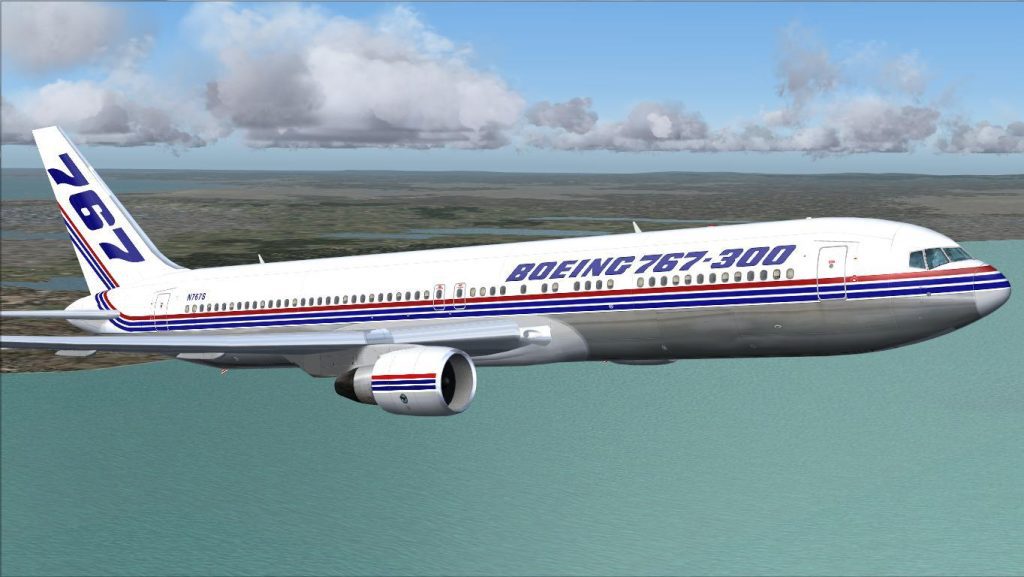
Owning a private jet is a luxurious and advantageous investment, but it also comes with a complex set of legal and tax implications. Whether you are acquiring a new jet, a pre-owned aircraft, or engaging in fractional ownership, understanding the essential legal frameworks and tax benefits that come with jet ownership can significantly impact your return on investment and ensure smooth operations.
In this comprehensive guide, we’ll explore how private jet owners can navigate the complex tax and legal landscapes, from understanding ownership structures to leveraging tax advantages, and complying with aviation laws. With the right approach, you can maximize the financial benefits of jet ownership while staying within legal bounds.
- Understanding Ownership Structures
Before diving into tax benefits and legal considerations, it’s important to first understand the various ownership structures for private jets. The structure you choose will influence how the aircraft is taxed, how it can be used, and how liability is managed.
Sole Ownership
The simplest and most direct form of ownership is sole ownership, where an individual or company owns 100% of the aircraft. This structure provides full control over the jet, including its use and management. However, it also means taking on 100% of the legal and tax obligations, which can be significant.
While sole ownership provides maximum flexibility, it may expose the owner to higher tax liabilities and risk. For this reason, many private jet owners opt for other structures to minimize exposure.
Fractional Ownership
Fractional ownership allows several individuals or businesses to co-own a jet, sharing both the costs and benefits of ownership. This is a more cost-effective option for those who don’t require full-time access to a jet. Fractional ownership generally involves an agreement where owners have a set number of hours they can use the jet each year, and the company managing the aircraft handles its operations, maintenance, and leasing.
One of the tax benefits of fractional ownership is that it may allow for the depreciation of the aircraft, which can provide significant tax deductions. However, there are specific IRS rules governing the allowable deductions, so it’s crucial to understand how they apply to your specific situation.
Aircraft Leasing
Another ownership structure is aircraft leasing, where the jet is owned by one entity but leased to another (either an individual or company). Aircraft leasing provides tax benefits, as the owner can often deduct the cost of depreciation on the aircraft as well as other operating expenses. The lessee may also claim certain deductions if the aircraft is used for business purposes.
Leasing can be an advantageous structure for private jet owners who are not planning to use the aircraft full-time. It allows them to generate revenue through charter services or other business opportunities while still retaining ownership of the aircraft.
- Maximizing Tax Benefits for Private Jet Owners
Owning a private jet offers several tax advantages, particularly when the aircraft is used for business purposes. The IRS allows jet owners to claim depreciation, write off operating expenses, and even deduct the costs of maintenance, fuel, insurance, and crew salaries. However, these tax benefits are subject to specific rules, and understanding them can help you maximize your deductions and avoid audits.
Depreciation
One of the most significant tax advantages of owning a private jet is the ability to depreciate the aircraft. Depreciation allows you to deduct the cost of the jet over a period of time, reducing your taxable income. According to the IRS, jets used primarily for business purposes are eligible for depreciation, which can be claimed annually.
The IRS generally allows a 5-year depreciation schedule for private jets, meaning that the aircraft will lose value on paper over five years, and each year you can write off a portion of the depreciation cost. This is a valuable deduction for reducing your tax liability. However, if the jet is used for both business and personal purposes, the depreciation deduction will need to be prorated based on the percentage of business use.
Operating Expenses
Private jet owners can deduct many of the operating expenses related to their aircraft. These expenses include:
- Fuel and maintenance costs
- Insurance premiums
- Crew salaries and training
- Hangar fees
- Landing fees and other airport costs
If the jet is used for business purposes, these costs can be deducted from your taxable income, which can significantly reduce your overall tax burden. However, it’s crucial to keep detailed records and receipts for all expenses to ensure that you can substantiate your deductions if needed.
Business Use and the 50% Rule
To fully maximize the tax benefits of jet ownership, it’s important to ensure that the jet is used for business purposes more than 50% of the time. If the aircraft is used for business purposes at least 51% of the time, the owner is eligible for significant tax deductions, including the ability to deduct most of the operating expenses and claim depreciation.
The 51% rule is a critical factor, as failing to meet it can lead to restrictions on your deductions and even penalties. It’s essential to keep accurate logs of the jet’s flight hours to demonstrate its business usage.
Tax Credits for Aviation Improvements
In some cases, private jet owners can also benefit from tax credits or deductions for improvements made to the aircraft, such as upgrading avionics, upgrading the cabin, or implementing environmental upgrades like noise reduction systems. These improvements can often qualify for Section 179 deductions, which allow for the full cost of the upgrades to be deducted in the year the improvements are made.
- Legal and Regulatory Compliance for Private Jet Owners
Beyond taxes, owning a private jet involves navigating a series of legal regulations that ensure the aircraft operates safely and lawfully. Private jet owners must be aware of both federal and state regulations governing everything from FAA compliance to liability issues.
FAA Regulations
The Federal Aviation Administration (FAA) governs the operation of private aircraft in the United States. Jet owners must comply with FAA regulations regarding aircraft maintenance, flight hours, and pilot qualifications.
Aircraft operators must also adhere to strict flight crew requirements, including ensuring that pilots are licensed and properly trained to operate the specific type of aircraft. The FAA also mandates regular maintenance inspections to ensure that the jet remains airworthy.
Failure to comply with FAA regulations can lead to significant penalties, including the suspension of your aircraft’s registration or the revocation of your pilot’s license. Therefore, it’s essential to stay up-to-date with regulatory changes and ensure that your jet is maintained to the highest standards.
State-Specific Aviation Laws
In addition to federal regulations, private jet owners must also consider state-specific laws regarding the operation of their aircraft. Some states impose taxes on aviation fuel, aircraft sales, and property tax on jets. For instance, states like California and New York impose higher taxes on aircraft, while others may offer tax breaks or incentives for aviation owners.
It’s essential to work with an aviation attorney who is familiar with both federal and state laws to ensure full compliance and to optimize your tax planning.
Liability Protection and Insurance
Another critical legal consideration for private jet owners is ensuring proper liability protection through insurance. Private jets require specialized insurance coverage that can include:
- Hull insurance (coverage for the aircraft itself)
- Liability insurance (coverage for damage to third parties or property)
- Passenger insurance (coverage for passengers in case of injury or death)
Liability coverage is particularly important, as it can protect the owner in the event of an accident. Aircraft owners must ensure that their insurance policy covers all potential risks and that they have adequate coverage limits in place. Working with an aviation insurance specialist is highly recommended to ensure that your policy meets all regulatory requirements and provides the necessary protection.
- International Considerations for Global Jet Owners
For those who plan to operate their private jets internationally, additional international laws and tax considerations come into play. Each country has its own set of regulations governing the importation, operation, and taxation of foreign-owned aircraft.
For instance, many countries require import duties or VAT taxes on private jets, while others may offer tax exemptions or incentives for international aircraft operators. Understanding these regulations is crucial for those who plan to fly internationally or acquire jets in foreign markets.
In some cases, it may be advantageous to register the jet in a country with favorable tax laws or to create an offshore ownership structure to minimize taxes and protect assets. However, international regulations can be complex, so it’s essential to consult with legal and tax experts in international aviation law.
- Conclusion: Navigating the Legal and Tax Landscape of Private Jet Ownership
Owning a private jet is not just a luxurious lifestyle choice but also a strategic financial investment. By understanding the tax benefits available through depreciation, operating expense deductions, and business use, jet owners can significantly reduce their overall tax liability. At the same time, adhering to the legal requirements set by the FAA and state and international regulations is essential to ensuring the smooth operation of the aircraft and avoiding costly legal issues.
By taking a creative approach to managing the tax and legal aspects of private jet ownership, you can maximize the financial and operational benefits of your aircraft, turning your jet into not just a luxury asset but a smart investment that enhances your business and personal life.
With the right guidance, private jet ownership can be both a rewarding experience and a financially sound decision.


