


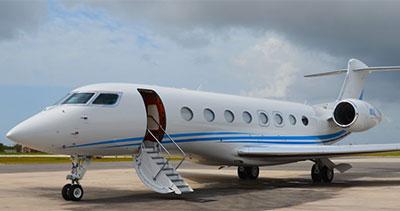
Owning a private jet is a significant financial commitment, but for international owners, it introduces even more complexity. Beyond the substantial costs of purchasing, maintaining, and operating the aircraft, international jet owners must also navigate the intricate world of tax laws and tax strategies that vary by country. Whether you are using the jet for personal or business purposes, understanding the global tax implications is critical to maximizing tax benefits while ensuring compliance with regulations.
This guide will explore the legal perspectives on tax strategies for international private jet owners, examining key considerations and offering insights into how to legally minimize tax liabilities and ensure smooth operations across various tax jurisdictions.
- Understanding International Taxation for Private Jet Owners
International private jet ownership presents challenges related to tax compliance across multiple jurisdictions. Unlike domestic ownership, where tax rules tend to follow a single country’s legal framework, international owners must deal with a complex web of international treaties, bilateral agreements, and local tax regulations.
Key Tax Considerations for International Jet Owners
The first critical step in managing your jet ownership from a tax perspective is understanding how the international tax system works. The tax laws governing international ownership of private jets are often complicated, with key issues including:
- Sales and Use Taxes: In many countries, sales tax or value-added tax (VAT) is applicable to the purchase price of a private jet. The tax rate can vary widely, so understanding the rules in your country of residence as well as the country of purchase is vital.
- Aircraft Registration: Where the aircraft is registered can influence taxes and tariffs. Countries with favorable aviation tax regimes, such as the Isle of Man, the Cayman Islands, or Luxembourg, are often chosen by international jet owners to reduce tax liabilities.
- Import Duties: Some countries impose import duties on aircraft when they are brought into the country, which can add a significant cost to owning a private jet. However, some jurisdictions offer exemptions or lower duties based on where the aircraft is registered or if it will be used for certain purposes.
- Operational Taxes: These taxes can include excise duties on aviation fuel, air traffic control fees, and other operational taxes that are assessed based on where the aircraft is flying. International owners need to be aware of the applicable taxes in all countries where the jet will operate.
Given these variables, it is crucial for international jet owners to work with aviation tax experts who can help navigate the rules in each relevant jurisdiction.
- The Role of International Tax Treaties in Jet Ownership
For international private jet owners, tax treaties between countries play an important role in determining tax liabilities. These treaties are agreements between countries to avoid double taxation, ensuring that income or assets are not taxed by both countries. In the context of aircraft ownership, these treaties may address issues such as:
- Residency and Taxation: Countries often determine their tax jurisdiction over aircraft based on the owner’s residency or where the aircraft is primarily used. For example, if you are a resident of the United States but own an aircraft that is based in the UK, the country of registration and where the jet is primarily operated will determine the tax obligations.
- Relief from Double Taxation: If an international jet owner faces double taxation in both their home country and the country of registration, tax treaties may allow for relief. These treaties often provide mechanisms to offset tax paid in one country against tax owed in another, ensuring that owners are not taxed excessively on the same income or asset.
The OECD’s Model Tax Convention often serves as the basis for these bilateral treaties, outlining provisions related to tax credits, exemptions, and other strategies for alleviating double taxation for international jet owners.
- Structuring Jet Ownership: The Legal and Tax Benefits of Aircraft Leasing
One of the most effective tax strategies for international private jet owners is to lease the aircraft through a company or a special-purpose vehicle (SPV) registered in a tax-friendly jurisdiction. The benefits of aircraft leasing extend beyond simple cost savings; leasing provides opportunities for tax planning and can offer advantages in terms of depreciation, operating expenses, and other financial strategies.
Establishing an Offshore Leasing Company
An increasingly common strategy for international owners is to create an offshore leasing company to handle the acquisition and operation of the jet. By establishing a legal entity in a jurisdiction with favorable tax treatment, such as Bermuda or the Cayman Islands, owners can take advantage of more beneficial tax rules for aircraft ownership. These jurisdictions typically have low or zero tax rates on corporate income, sales, and capital gains, which can significantly reduce the overall tax burden.
When structured correctly, this strategy can allow jet owners to:
- Claim Depreciation: By leasing the jet to themselves or their business, the leasing company can depreciate the aircraft, offering substantial tax deductions. These deductions can offset the income generated by the lease and reduce the overall taxable profit.
- Offset Operating Costs: The leasing company can also cover the operating costs of the aircraft, such as maintenance, insurance, and fuel, which can be deducted as operating expenses under the local tax laws of the jurisdiction where the lease company is established.
- Flexible Use and Deduction: This structure allows for more flexible use of the aircraft while maintaining the ability to deduct operating expenses and depreciation.
However, it’s important to consult with legal and tax advisors to ensure that the lease agreement is structured properly, as the tax authorities in various countries may scrutinize the lease arrangements to ensure they are legitimate and comply with international tax laws.
- International Owners and the Section 1031 Exchange
For U.S.-based owners of private jets who hold aircraft as a business investment, a Section 1031 Exchange could present a tax-saving strategy. Under this provision, business owners can defer paying capital gains taxes on the sale of an aircraft if they reinvest the proceeds in a similar property (in this case, another jet or similar business-related asset).
The Section 1031 Exchange can be particularly useful for international jet owners who need to upgrade or replace an aircraft. By deferring capital gains taxes on the sale of one jet, owners can free up capital for future investment without incurring a large immediate tax burden.
This strategy is typically more effective for owners who use their jets primarily for business purposes, as the IRS may limit or disallow the exchange if the aircraft is used for personal flights.
- VAT and Sales Tax Planning for International Owners
Many international jet owners seek to minimize VAT and sales taxes through careful planning. Since VAT and sales tax rates can vary dramatically between countries, some owners choose to purchase or register their jets in tax-friendly jurisdictions.
Using VAT Refund Schemes
In the European Union (EU), for example, some jurisdictions provide VAT refunds for private jet owners who can demonstrate that the aircraft will primarily be used for business purposes. If the jet is used exclusively for business travel, owners may be eligible for a VAT refund of up to 50% or more of the VAT paid on the purchase price.
However, to qualify for VAT refunds, owners must carefully document their business use of the jet and ensure compliance with the local tax authorities’ requirements. This process can be time-consuming and requires accurate record-keeping to ensure that the business use is legitimate.
Sales Tax Exemptions in Certain Jurisdictions
In addition to VAT, many countries offer sales tax exemptions for aircraft purchases that are registered in specific tax jurisdictions. By structuring the purchase and registration of the jet in a jurisdiction with favorable tax laws, international owners can avoid high sales tax rates, which can often exceed 10% or more of the purchase price.
- Final Considerations for International Private Jet Owners
International private jet owners face a range of legal and tax challenges, but with careful planning and the right structure, it is possible to mitigate tax liabilities and optimize the use of the aircraft. Key strategies include:
- Establishing an offshore leasing company to take advantage of tax benefits in low-tax jurisdictions.
- Utilizing international tax treaties to avoid double taxation and streamline ownership.
- Taking advantage of VAT refunds and sales tax exemptions by registering the jet in tax-friendly jurisdictions.
- Exploring Section 1031 Exchange opportunities to defer capital gains taxes when selling and replacing jets used for business.
Given the complexity of international tax laws and the significant financial investment involved in private jet ownership, international owners should consult with aviation tax professionals and legal advisors who specialize in cross-border tax issues. By leveraging the right tax strategies, owners can reduce their tax burden, maximize the financial efficiency of their aircraft, and remain compliant with international tax regulations.


