


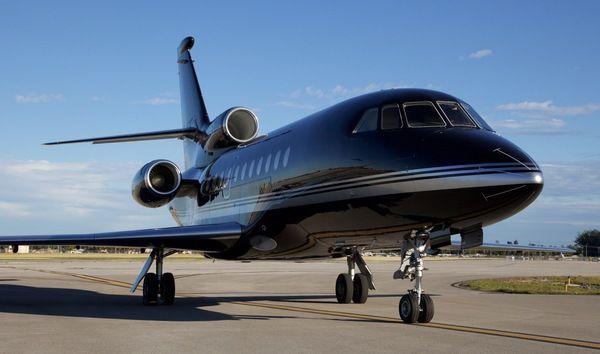
offering passengers a very uniqueed comfort and privacy. As technology continues to evolve, one of the most exciting advancements in the aviation industry is AI-powered noise control. Noise has always been an issue on aircraft, with the hum of the engines, air conditioning, and cabin activity all contributing to a less-than-ideal flying experience. However, with AI-based noise control systems, private jets are now able to offer a level of tranquility and comfort that was previously unimaginable. This revolutionary technology promises to transform the way passengers experience air travel, ensuring a serene and peaceful environment throughout the flight.
AI-powered noise control systems utilize advanced algorithms to actively monitor and adjust cabin noise in real-time. Unlike traditional noise reduction methods, which often rely on passive techniques such as insulation or earplugs, AI systems can adapt to changing conditions and optimize sound quality dynamically. By using sensors placed throughout the cabin, the AI system continuously analyzes the types and frequencies of sounds present in the environment. These sensors detect everything from the low rumble of the engines to the subtle sounds of cabin activities. The AI system then processes this data and creates counteracting sound waves, known as “anti-noise,” which cancel out the unwanted noise.
The key advantage of AI-powered noise control is its ability to adjust to different environments and cabin conditions. For example, if there is a sudden increase in engine noise due to a change in altitude or speed, the AI system can instantly detect the change and adjust the anti-noise waves to neutralize the sound. This ensures that the cabin remains consistently quiet, no matter how the flight conditions evolve. This level of adaptability makes AI-powered noise control far superior to traditional noise reduction methods, which are often static and unable to respond to real-time changes.
In addition to engine and mechanical noise, AI systems can also target other sources of noise that may impact passenger comfort, such as conversations, food preparation, or the opening and closing of overhead compartments. These systems can create a more peaceful environment by neutralizing these distractions, allowing passengers to relax and enjoy their time on board without being disturbed by external sounds. Whether passengers are trying to sleep, read, or work, AI-powered noise control provides an optimal setting for focus and relaxation.
One of the most notable benefits of AI noise control in private jets is its ability to enhance the overall passenger experience. For individuals who frequently travel for business or leisure, maintaining a sense of calm and relaxation is crucial for maximizing the productivity and enjoyment of the flight. AI-powered noise control creates a serene environment that allows passengers to unwind, eliminating the stress and discomfort associated with traditional aircraft cabins. Whether passengers want to have a quiet conversation, meditate, or simply enjoy the view, the AI system ensures that the cabin remains free from disruptive sounds.
Moreover, AI noise control systems can also integrate with other technologies on board the jet, such as smart lighting, temperature control, and entertainment systems. By working in tandem with these other features, the noise control system can help create an overall optimal flying experience. For example, the AI can adjust both the noise levels and the lighting to create a relaxing atmosphere for passengers who wish to sleep. By customizing the entire environment to meet the needs of the passengers, AI-powered systems ensure that every aspect of the flight is as comfortable and enjoyable as possible.
The introduction of AI-powered noise control also benefits jet operators by reducing the need for expensive physical modifications to the aircraft. Traditional methods of noise reduction often require substantial investments in insulation, soundproofing, or acoustic panels. These measures can be costly, time-consuming, and sometimes ineffective in completely eliminating unwanted noise. AI-powered noise control, on the other hand, is a more cost-effective solution that can be easily integrated into existing aircraft systems. With the ability to adapt to different aircraft configurations and passenger needs, AI systems provide a flexible and scalable solution for private jet operators looking to improve the comfort of their fleet.
In addition to enhancing passenger comfort, AI-powered noise control also offers long-term benefits for the health and well-being of travelers. Prolonged exposure to high levels of noise can contribute to stress, fatigue, and even hearing damage. By minimizing these harmful sounds, AI systems help protect passengers from the adverse effects of noise pollution, promoting a healthier and more restful flight experience. This focus on well-being is particularly important for frequent travelers, who may spend a significant amount of time in the air and require a peaceful environment to maintain their physical and mental health.
Furthermore, AI-powered noise control is not limited to private jets alone. As the technology continues to develop, it could eventually be applied to commercial aircraft, offering a new level of comfort for the wider public. Commercial airlines could use AI systems to create quieter cabins, improving the overall flying experience for passengers and reducing the negative impacts of air travel on health. By incorporating AI into noise reduction efforts, the aviation industry could revolutionize air travel, making it more comfortable and sustainable for passengers around the world.
In conclusion, AI-powered noise control represents a groundbreaking advancement in the world of private aviation. By offering real-time, adaptive noise reduction, this technology ensures that private jet passengers can enjoy a quiet and relaxing environment, free from the distractions and discomfort of traditional aircraft noise. Whether for business, leisure, or wellness, the benefits of AI noise control are far-reaching and promise to enhance the flying experience for travelers. With its ability to create a serene cabin atmosphere, AI-powered noise control is set to become an essential feature in the future of private aviation, bringing a new level of comfort and tranquility to the skies.


