


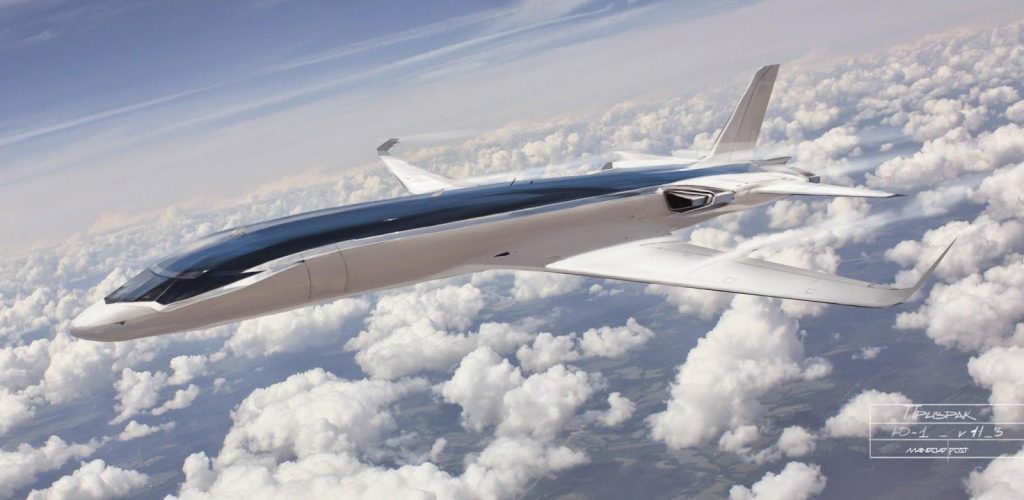
The future of luxury travel is evolving at an incredible pace, and the integration of AI and biofeedback technology in private jets is setting new standards for personalized comfort. Imagine a cabin that adjusts its conditions based on your heart rate, breathing patterns, or stress levels. This innovative concept is becoming a reality as private jets adapt cabin conditions in real-time, ensuring the most comfortable and relaxed flying experience for every passenger.
What is Biofeedback in Private Jet Travel?
Biofeedback technology involves monitoring and analyzing biological signals such as heart rate, skin temperature, muscle tension, and brain wave patterns to assess a person’s physical and emotional state. In the context of private jet travel, biofeedback sensors can be integrated into seats, seat belts, and even clothing to track a passenger’s well-being during the flight.
By collecting real-time data on passengers’ physiological responses, these systems provide valuable insights into their comfort levels and stress indicators. AI-powered systems can then interpret this biofeedback and make immediate adjustments to the cabin environment, including temperature, humidity, lighting, air pressure, and sound levels.
How Biofeedback Technology Works in Private Jets
- Real-Time Biofeedback Monitoring
Biofeedback sensors embedded in seats or wearable devices continuously monitor passengers’ physiological responses. This data can be gathered using smart fabrics, wristbands, or advanced biometric scanners that detect various indicators of health and well-being, such as:
Heart rate variability (HRV)
Skin conductivity (a measure of stress or relaxation)
Breathing patterns
Muscle tension
Body temperature
These measurements are transmitted to an onboard AI system, which interprets them in real-time to gauge the passenger’s emotional and physical state.
- AI-Based Adaptation of Cabin Conditions
Once the system receives biofeedback data, the AI system processes it and adjusts the cabin conditions accordingly. These adjustments can be made instantly and dynamically throughout the flight, ensuring that passengers’ needs are met continuously. Common cabin conditions that can be optimized include:
Temperature: If a passenger shows signs of stress or discomfort, the cabin temperature can be adjusted for warmth or cooling, promoting relaxation.
Lighting: The lighting can shift between different color temperatures to either energize passengers or create a more calming atmosphere, depending on their current emotional state.
Air Quality: If biofeedback signals indicate that a passenger is feeling anxious or fatigued, the system can adjust the cabin’s air pressure, humidity, or air purification to ensure a more comfortable, oxygen-rich environment.
Sound Levels: Noise reduction technology can be activated to create a peaceful and tranquil environment, especially if biofeedback shows signs of stress or discomfort.
- Tailored In-Flight Experience
Biofeedback-driven adjustments offer a highly personalized experience for passengers. The AI system not only learns each passenger’s preferences over time but can also adapt to individual responses during the flight. For example, if a passenger has a history of motion sickness, the system may adjust the cabin pressure, lighting, and temperature to reduce discomfort. Similarly, if a passenger is more likely to become stressed during travel, the cabin can proactively make adjustments to create a more calming atmosphere.
- Stress Reduction and Relaxation Techniques
Biofeedback-based systems can even offer relaxation techniques if they detect heightened levels of stress or anxiety. For example, if a passenger’s heart rate spikes, the system may play calming music, activate soothing lighting sequences, or project visual patterns (like slow-moving clouds or ocean waves) to promote relaxation. Breathing exercises or guided meditations can also be integrated into the cabin’s system to help bring the passenger’s physiological state back to a calmer, more balanced condition.
- Sleep Optimization
Biofeedback can be used to optimize the sleep experience during long-haul flights. For passengers who are attempting to sleep, the system can monitor signs of sleep quality, such as heart rate, skin temperature, and muscle relaxation, and adjust the cabin conditions accordingly. By controlling lighting intensity, air quality, and cabin temperature, the system helps create the optimal environment for restful sleep.
If the system detects signs of restlessness or disrupted sleep patterns, it can make further adjustments to help the passenger fall asleep and stay comfortable throughout the night.
Benefits of Biofeedback-Driven Cabin Adjustments
The integration of biofeedback technology into private jets brings numerous benefits, enhancing comfort, well-being, and the overall flying experience. Let’s take a look at the key advantages:
- Personalized Comfort
The most significant benefit of biofeedback technology is the ability to create a completely personalized flying experience. Each passenger has unique preferences and needs, and AI-powered systems can adapt to those preferences in real-time. Whether it’s adjusting temperature, lighting, or air quality, passengers no longer have to settle for one-size-fits-all cabin conditions. The cabin becomes a reflection of their personal comfort requirements, offering a level of customization that was previously unimaginable.
- Enhanced Well-Being
With the ability to monitor stress levels, sleep quality, and physical discomfort, biofeedback-based systems can help reduce travel fatigue, improve mental clarity, and enhance overall well-being during the flight. For passengers with medical conditions or health concerns, biofeedback can ensure that their unique needs are met in the most effective way.
- Stress and Anxiety Reduction
Flying can be a stressful experience for many passengers. Whether it’s the fear of flying or the discomfort of sitting in a cramped cabin, air travel often contributes to heightened anxiety. Biofeedback systems can help alleviate these issues by adjusting the environment to match the passenger’s emotional state, promoting a calm, peaceful atmosphere.
- Increased Productivity and Focus
For business travelers, creating the optimal environment for focus and productivity is crucial. By reducing distractions, adjusting lighting, and enhancing comfort, biofeedback-driven cabin adjustments can help passengers remain alert and focused, allowing them to get work done or hold productive meetings during their flight.
- Improved Sleep Quality
Biofeedback technology also ensures better sleep quality on long-haul flights, which is often a concern for private jet passengers. By providing optimal cabin conditions customized to the passenger’s sleep patterns, biofeedback can help passengers get the rest they need, ensuring they arrive at their destination feeling refreshed and ready for their next steps.
- Proactive Health Monitoring
In addition to enhancing comfort, biofeedback systems can serve as a health-monitoring tool, tracking changes in passengers’ vital signs over time. By continuously collecting data on heart rate, temperature, and other vital metrics, the system can detect early signs of discomfort or health issues and adjust cabin conditions to prevent more serious problems from arising.
The Future of Biofeedback-Driven Private Jets
As AI and biofeedback technology continue to evolve, the possibilities for enhancing the private jet experience are endless. Future developments could include:
Advanced predictive systems: These systems would not only adapt to passengers’ real-time biofeedback but also predict their needs based on historical data and flight conditions, optimizing the environment before discomfort even arises.
Integration with wearable technology: Passengers could wear biometric sensors or smart fabrics that provide continuous data to the cabin’s system, enabling even more precise adjustments based on physiological responses.
Integration with personal health data: For passengers who opt-in, biofeedback systems could sync with their personal health data, such as from fitness trackers or health apps, to create a fully customized environment based on their long-term wellness goals.
As these technologies continue to develop, we can expect the private jet experience to become even more customized , efficient, and comfortable, creating a new standard of luxury and care in air travel.
Conclusion
AI-powered biofeedback-driven cabin adjustments are transforming the private jet industry by offering passengers a level of personalized comfort that was once unimaginable. By continuously monitoring and adapting to passengers’ physiological responses, private jets can create an environment that promotes well-being, reduces stress, enhances productivity, and improves sleep quality. As these technologies advance, we can expect private jet cabins to become even more intuitive and responsive to individual needs, redefining the future of luxury air travel.


