


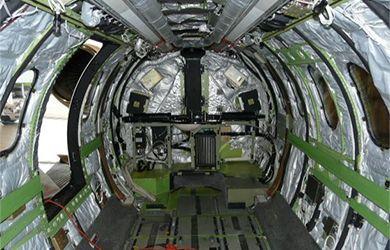
This article explores the concept of magnetically-assisted flight, its potential to revolutionize private jet design, the physics behind how magnetism can reduce drag, and the benefits it offers for private jet owners, passengers, and the environment.
The Challenge of Drag in Aviation
Drag is one of the most critical challenges faced by aircraft in terms of performance. It refers to the resistance an object encounters when moving through a fluid (in this case, air). This resistance not only consumes fuel but also limits the speed and efficiency of the aircraft.
The two main types of drag that affect aircraft are form drag (resistance created by the shape of the aircraft) and induced drag (which occurs due to the generation of lift). Reducing drag is crucial for improving the aircraft’s fuel efficiency, range, and speed. Over the years, aircraft designers have employed various methods to minimize drag, such as optimizing the aerodynamic shape, using lightweight materials, and improving engine efficiency.
However, these traditional methods have their limitations. To push the boundaries of aviation performance, engineers are turning to unconventional technologies, including the use of magnetism. By applying magnetic forces to the aircraft’s design and performance, private jets could achieve significant improvements in speed, fuel efficiency, and overall performance.
The Concept of Magnetically-Assisted Flight
Magnetically-assisted flight refers to the use of magnetic fields to reduce drag and improve the performance of aircraft. This concept draws inspiration from the phenomenon of magnetic levitation (maglev), which is already used in high-speed trains to minimize friction and allow them to travel at much higher speeds compared to conventional trains.
In the case of private jets, magnetism could be harnessed in several innovative ways to reduce drag and improve aerodynamic efficiency. The fundamental idea is to use magnetic fields to alter the interaction between the aircraft and the surrounding air, reducing friction, and thereby improving the aircraft’s speed and fuel efficiency.
How Magnetism Reduces Drag and Increases Speed
The application of magnetism in aviation hinges on electromagnetic fields and their ability to interact with conductive materials. Here’s how it works:
- Magnetic Levitation for Reducing Contact with the Air
One of the key ways magnetism could reduce drag is by employing a magnetic levitation system to help the aircraft “float” above the air to a certain degree. This is similar to how maglev trains operate, where superconducting magnets generate a repulsive force that lifts the vehicle above the tracks, eliminating friction.
For private jets, magnetic levitation could be used to reduce the amount of direct contact between the aircraft’s body and the surrounding air molecules. By creating a cushion of magnetic force, the jet would experience less friction as it moves through the atmosphere. This reduction in friction leads to a decrease in drag, allowing the aircraft to travel faster while consuming less fuel.
- Manipulating Airflow Using Electromagnetic Fields
Another potential application of magnetism is using electromagnetic fields to control the airflow around the aircraft. By strategically placing electromagnets or superconducting magnets on the body of the jet, the aircraft could generate localized magnetic fields that manipulate the movement of air over the wings and fuselage.
These electromagnetic fields could influence the boundary layer of air surrounding the aircraft, which is responsible for a significant portion of drag. By altering the behavior of the boundary layer, these systems can reduce the amount of drag generated and increase the overall efficiency of the jet. This could be especially beneficial at high speeds, where drag becomes a significant factor limiting performance.
- Improved Aerodynamics Through Magnetic Control Surfaces
One of the key elements in reducing drag is controlling the flow of air over the wings and tail surfaces of the aircraft. With the use of magnetism, magnetic control surfaces could replace traditional control surfaces such as flaps and ailerons. These magnetically controlled surfaces could adjust the aircraft’s aerodynamics in real-time, depending on flight conditions, in a far more efficient manner than traditional mechanical systems.
For instance, electromagnetic actuators could be used to manipulate the position of wings or other aerodynamic surfaces, improving the aircraft’s overall lift-to-drag ratio. This would allow private jets to achieve higher speeds and better fuel efficiency by constantly adjusting their shape based on external conditions, optimizing performance during each phase of flight.
The Benefits of Magnetism for Private Jets
The integration of magnetism into private jet design offers a number of benefits that can drastically improve the experience for both operators and passengers. Some of these advantages include:
- Increased Speed
By reducing drag through magnetic levitation and magnetic control systems, private jets could reach significantly higher speeds than current aircraft. The reduction in friction between the aircraft and the surrounding air would allow for faster acceleration and cruising speeds. This would be particularly advantageous for private jet owners who prioritize quick travel and efficiency.
- Improved Fuel Efficiency
Fuel efficiency is a critical factor in aviation, especially for private jets, which often fly long distances. Magnetically-assisted flight systems could reduce the drag experienced by the aircraft, thereby improving fuel consumption. With lower drag, engines would need to exert less power to maintain speed, resulting in lower fuel consumption and longer flight ranges.
- Enhanced Range
With improved fuel efficiency, private jets equipped with magnetically-assisted flight systems could achieve greater range without needing to refuel. This is especially important for long-haul flights, as private jets often need to make stops for refueling, which can add to travel time and operational costs. The ability to travel farther on a single tank of fuel would make private jet travel more convenient and cost-effective.
- Less Wear and Tear
The reduction in friction and drag would also have a positive impact on the overall wear and tear on the aircraft. Traditional aircraft engines and components experience significant strain due to the friction with the air and the constant need to generate lift. By reducing drag, magnetic systems could help preserve the longevity of the aircraft’s components, leading to lower maintenance costs and more reliable performance over time.
- Sustainability and Environmental Benefits
In addition to improving fuel efficiency, magnetically-assisted flight could also have environmental benefits. With reduced fuel consumption, private jets would produce fewer emissions, making them a more sustainable option for travelers concerned about their environmental impact. Although the technology is still in its early stages, magnetism could help the aviation industry move toward greener, more sustainable flight options.
- Smoother and More Comfortable Flight
Magnetic levitation and improved aerodynamic control would also result in a smoother flight experience for passengers. Reduced drag would lead to fewer turbulent interactions with the air, resulting in a quieter, more stable flight. This is particularly important for private jet owners who are accustomed to the highest levels of comfort and luxury.
Challenges and Future Outlook
While the concept of magnetically-assisted flight offers exciting possibilities for private jets, there are several technical and practical challenges that need to be overcome before it becomes a mainstream technology. Magnetic levitation and electromagnetic control systems are still in the early stages of development, and significant engineering challenges remain in integrating these systems into an aircraft that can safely operate in the skies.
Moreover, the power requirements for generating strong enough magnetic fields to reduce drag on a large scale are substantial. The energy consumption of these systems must be carefully managed to ensure that the benefits outweigh the costs in terms of fuel efficiency and operational sustainability.
Despite these challenges, the potential of magnetism in aviation is undeniable. As superconducting magnets, electromagnetic actuators, and quantum technologies continue to advance, the future of private jets powered by magnetism looks increasingly promising.
Conclusion
The use of magnetism to reduce drag and increase speed in private jets represents a thrilling step forward in aviation technology. By leveraging the principles of magnetic levitation and electromagnetic control, aircraft could experience unprecedented improvements in speed, fuel efficiency, range, and passenger comfort. While still in its developmental stages, this technology has the potential to redefine the future of private aviation, offering a more sustainable and efficient way to travel.
As engineering and technological advancements continue to shape the future of aviation, magnetically-assisted flight may soon become a reality, providing private jet owners with faster, more efficient, and more comfortable travel options than ever before.


