


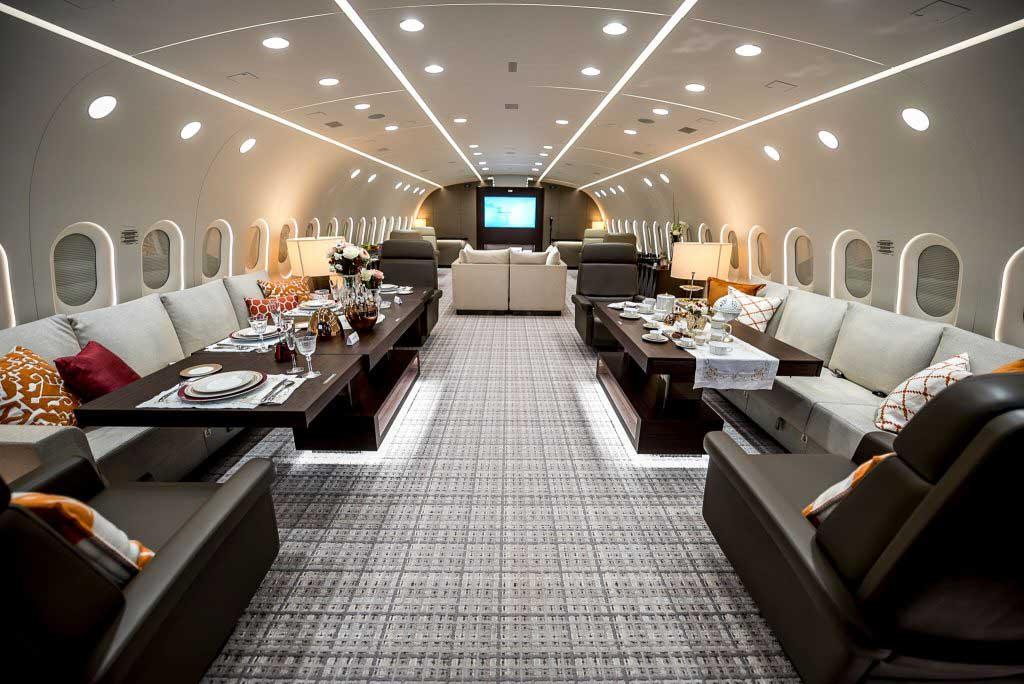
Designing the interior of a private jet is an intricate process that blends luxury, functionality, and personalization. A private jet is more than a mode of transportation; it is a statement of status, taste, and identity. With advances in technology and design, private jet interiors are increasingly being crafted to meet the unique needs and desires of their owners. This article delves into the art of designing a private jet interior, exploring the steps, trends, and considerations that make each aircraft a flying masterpiece.
Understanding the Client’s Vision
The foundation of any successful private jet interior begins with understanding the client’s vision. Designers work closely with jet owners to identify their preferences, lifestyle, and functional needs.
Defining Priorities
Some clients prioritize luxurious aesthetics, while others emphasize functionality or technological integration. Defining these priorities ensures the design aligns with their expectations.
Personal Touches
Whether it’s a specific color palette, favorite artwork, or cultural motifs, personal touches help create a space that reflects the owner’s individuality.
Choosing the Right Materials
Materials play a crucial role in achieving both the aesthetic and functional goals of the design. Durability, weight, and luxury are key considerations.
Lightweight Luxury
To optimize performance and fuel efficiency, designers select lightweight materials that do not compromise on elegance. Carbon fiber, lightweight alloys, and advanced composites are popular choices.
Sustainable Options
Eco-conscious jet owners are increasingly opting for sustainable materials, such as recycled woods, organic fabrics, and vegan leather alternatives, to minimize their environmental impact.
Designing the Layout
Space is at a premium in a private jet, making the layout a critical aspect of the design process. The goal is to create a functional flow while maximizing comfort.
Zoning the Cabin
Cabin zoning divides the space into distinct areas, such as lounges, workstations, dining areas, and sleeping quarters. This ensures optimal use of the available space.
Custom Configurations
Tailored layouts cater to the specific needs of the owner, whether they require a dedicated office, a family-friendly environment, or entertainment spaces for hosting guests.
The Role of Technology
Modern private jets are equipped with state-of-the-art technology to enhance comfort, productivity, and entertainment.
Smart Systems
Intelligent cabin management systems allow passengers to control lighting, temperature, and entertainment with ease. Voice-activated commands and app-based controls add convenience.
Connectivity
High-speed internet and secure communication systems ensure seamless connectivity for business and personal use, even at cruising altitude.
Aesthetic Themes and Styles
The aesthetic theme of a private jet interior sets the tone for the entire experience. Designers often draw inspiration from art, architecture, and culture.
Minimalist Elegance
Clean lines, neutral tones, and understated luxury create a calming and sophisticated atmosphere.
Opulent Designs
For those who prefer extravagance, opulent designs featuring rich materials like gold, marble, and crystal add grandeur to the cabin.
Custom Furniture and Decor
Bespoke furniture and decor elements elevate the interior’s exclusivity and comfort.
Multi-Purpose Furniture
Adaptable furniture, such as convertible sofas and foldable tables, ensures functionality without sacrificing style.
Artisanal Touches
Handcrafted details, such as embroidered upholstery or custom woodwork, add a layer of artistry to the design.
Lighting and Ambiance
Lighting plays a pivotal role in setting the mood and enhancing the overall experience.
Dynamic Lighting Systems
LED lighting that adjusts to time zones and mimics natural daylight helps passengers combat jet lag and creates a comfortable environment.
Accent Lighting
Strategically placed accent lights highlight key design features, such as artwork or architectural details, adding depth and drama to the interior.
Wellness and Comfort Features
Wellness is becoming a key focus in private jet design, with features aimed at promoting relaxation and health.
Air Quality
Advanced air filtration systems ensure a clean and refreshing cabin environment, enhancing passenger well-being.
Soundproofing
Noise-canceling technology and soundproof materials create a serene and peaceful atmosphere, free from engine noise and external distractions.
Entertainment Options
Private jets are equipped with cutting-edge entertainment systems to keep passengers engaged and entertained.
Immersive Experiences
Ultra-high-definition screens, surround sound systems, and virtual reality setups transform the cabin into an entertainment hub.
Personalized Content
Passengers can enjoy customized playlists, movies, and interactive content customized to their preferences.
Culinary Excellence Onboard
A well-designed galley is essential for delivering a top-tier dining experience during flights.
Gourmet Kitchens
Modern galleys are equipped with advanced appliances, such as convection ovens and wine refrigerators, allowing for the preparation of exquisite meals.
Tailored Menus
Catering services provide personalized menus that cater to dietary preferences and cultural tastes, ensuring an exceptional culinary experience.
Conclusion
The art of designing a private jet interior lies in balancing luxury, functionality, and personalization. From understanding the client’s vision to incorporating cutting-edge technology and bespoke design elements, every step of the process is customized to create a unique flying experience. As private aviation continues to evolve, the possibilities for creating extraordinary jet interiors are virtually limitless.


