


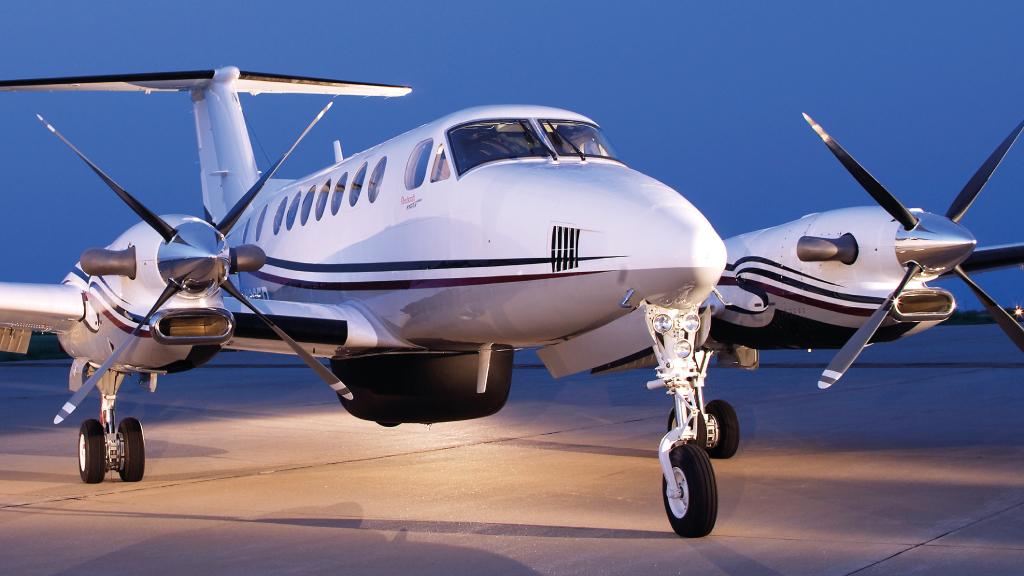
The aviation industry has long been at the forefront of innovation, pushing the boundaries of technology and design to create a more efficient and luxurious flying experience. Among the most intriguing and futuristic ideas emerging today is the concept of floating private jet airports in the sky. This innovative idea envisions the creation of airports in the sky, where private jets can land and take off mid-flight, bypassing the limitations of traditional airports on the ground.
In this article, we’ll explore the concept of floating private jet airports, how they would work, and the potential impact they could have on the future of aviation, travel, and luxury air travel.
What Are Floating Private Jet Airports?
Floating private jet airports are conceptual airports that exist high above the earth’s surface, typically situated in the upper atmosphere or the stratosphere, where private jets could land and take off without the need for traditional ground-based airports. These floating airports would be supported by advanced technology, such as high-altitude airships, drones, or aerial platforms.
In essence, these floating airports would function as self-contained hubs, providing passengers with the luxury and convenience of accessing services, refueling, and taking off or landing without ever needing to touch the ground. Imagine flying in a private jet to a point in the sky where you can land at an airport floating above the clouds, offering a very uniqueed views and a unique experience.
How Would Floating Private Jet Airports Work?
The concept of floating private jet airports requires a combination of advanced aerospace engineering, high-tech materials, and innovative design solutions. Here’s how floating private jet airports might work:
- High-Altitude Airships
One of the key technologies behind floating airports could be high-altitude airships. These airships are large, lightweight platforms that could be stationed in the sky at a specific altitude, serving as a base for private jet landings and take-offs. These airships would need to be powered by sustainable energy sources, such as solar panels or wind turbines, to maintain their altitude and stability.
The floating airport airship could be equipped with landing pads, runways, or landing zones for private jets. It would also offer luxurious amenities like lounges, restaurants, and even shopping areas, creating a high-end, seamless experience for passengers before they continue their flight or return to the ground.
- Autonomous Drones and Aircraft Platforms
Another possibility for floating private jet airports is the use of autonomous drones or aerial platforms to facilitate the landing and take-off of private jets. These platforms could operate at various altitudes, such as in the upper atmosphere, allowing them to serve as mid-flight hubs for private jets.
These aerial platforms would be equipped with advanced AI and navigation systems to guide private jets to and from their landing spots. The platforms could also have automated refueling stations and provide other essential services to maintain aircraft while they are in mid-flight.
- Cloud-Based Technology for Airport Management
To manage floating private jet airports, cloud-based technologies could be used to coordinate the landing, takeoff, and scheduling of private jets. Through advanced communication systems, jets would be able to connect with floating airports to schedule their landings and access services. These systems would ensure the smooth flow of aircraft, preventing congestion and delays.
Floating airports would need to integrate with the existing aviation system, ensuring that private jets could smoothly transition from these aerial hubs to ground-based airports when necessary.
- Luxury Amenities for Passengers
Floating private jet airports would offer the height of luxury and exclusivity for passengers. These high-altitude hubs would feature top-tier amenities, similar to what is found in the most luxurious private jet cabins, but in an airport setting. Passengers could enjoy:
Spacious lounges with panoramic views of the sky
Fine dining experiences prepared by world-class chefs
Spa services, including massages and relaxation treatments
Exclusive shopping experiences with high-end brands
These floating airports could even offer private cabins for long-haul travelers to rest before continuing their journey.
Benefits of Floating Private Jet Airports
Floating private jet airports could offer several major benefits, including:
- Reduced Airport Congestion
One of the major challenges with traditional airports is congestion. Airports on the ground can become overcrowded, causing delays and frustrating passengers. Floating airports would bypass these challenges by providing additional landing zones and reducing the load on existing airports.
With floating airports positioned in the sky, private jets could land and take off without waiting in long lines, making air travel more efficient and less stressful.
- Enhanced Luxury Experience
Floating airports would provide an entirely new luxury travel experience, allowing passengers to enjoy a seamless transition between flying and airport services. With high-end amenities and the ability to travel at new heights, passengers would enjoy exclusive experiences that are unmatched by current aviation standards.
These airports would cater to the elite, providing personalized services and experiences customized to the needs of luxury travelers.
- Convenience and Accessibility
Floating airports would make air travel more convenient by offering mid-flight services. Passengers could access floating airports without the need to land at a traditional ground-based airport, saving time and offering greater flexibility.
This innovation could also benefit those in remote or hard-to-reach locations, as floating airports could be stationed in strategic areas to provide easier access to flights, bypassing the need for lengthy connections or ground transportation.
- Environmental Impact
The use of sustainable technologies, such as solar power and wind energy, to power floating private jet airports could have a positive impact on the environment. By reducing the reliance on ground-based infrastructure and reducing air traffic congestion, floating airports could contribute to reducing emissions associated with air travel.
In addition, floating airports could be located in areas where they minimize their environmental footprint, avoiding disruption to natural landscapes and ecosystems on the ground.
Challenges and Considerations
While the concept of floating private jet airports is exciting, there are several challenges and considerations that need to be addressed:
- Technology and Engineering
The construction and operation of floating private jet airports would require significant advancements in aerospace technology, material science, and engineering. The platform must be stable and durable enough to support the weight of multiple jets while floating at high altitudes.
Additionally, the ability to maintain consistent power and navigation systems in mid-air is a key concern for the development of floating airports.
- Regulatory and Safety Issues
The introduction of floating airports in the sky would require careful regulation to ensure the safety of both the floating airport itself and the jets using it. Governments and aviation authorities would need to implement strict safety standards for these floating hubs to prevent accidents and ensure that air traffic is properly managed.
There would also need to be clear protocols for emergency landings and weather-related disruptions, ensuring that floating airports can continue to operate safely in all conditions.
- Cost and Investment
Building and maintaining floating private jet airports would be a significant financial investment. These airports would require a large amount of capital to develop the technology, design the structures, and ensure they are functional for aviation operations. The cost of using these airports would also be a consideration, as only a select group of travelers could afford such a high-end experience.
- Environmental Concerns
While floating private jet airports could reduce congestion on the ground, there could still be environmental concerns related to their construction and operation. Floating airports would need to be carefully planned to avoid disrupting the environment and ecosystems in the areas where they operate.
Conclusion
The concept of floating private jet airports in the sky is an exciting and innovative idea that could fundamentally change the way we think about air travel. By offering a unique, high-altitude experience for luxury travelers, floating airports would reduce congestion, enhance convenience, and offer unmatched views of the sky. While challenges remain in terms of technology, safety, and cost, the potential for floating private jet airports to revolutionize air travel is undeniable.
With advancements in engineering, aerospace technologies, and sustainable practices, the floating private jet airport could become a reality in the not-so-distant future, ushering in a new era of aviation that is both luxurious and efficient.


