


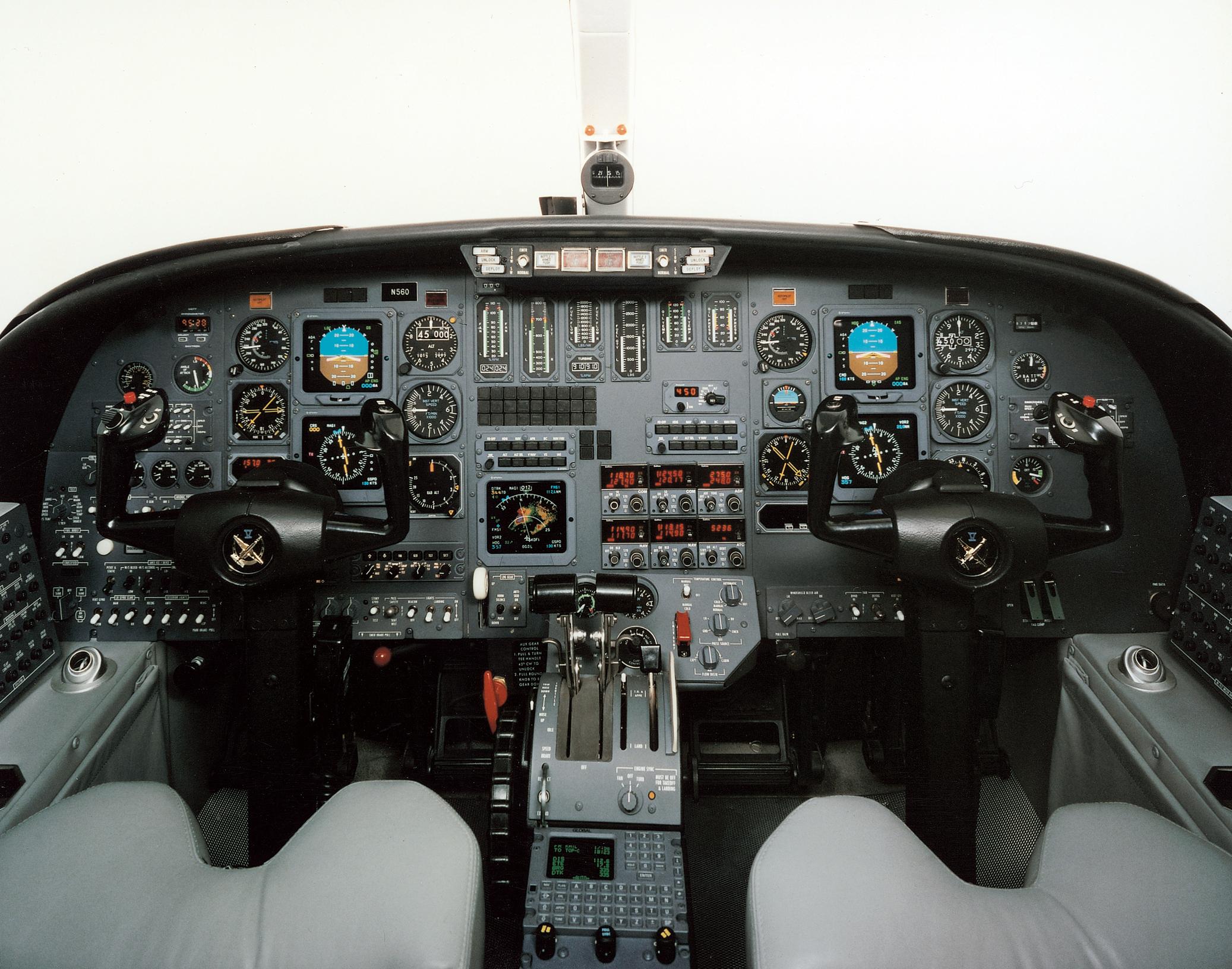
Owning a private jet is a symbol of luxury and success, but it also brings a set of financial responsibilities. One of the key factors that can make a significant difference in the overall cost of owning a private jet is tax deductions. With the right legal strategies in place, private jet owners can take advantage of tax laws to reduce their liabilities and maximize the financial benefits of their investment. However, navigating the world of private jet tax deductions requires a thorough understanding of the various regulations and creative strategies that can help unlock these potential savings.
In this guide, we will explore the legal strategies and tax deductions available to private jet owners. From business use deductions to depreciation benefits, we’ll outline the steps and tactics that can lead to substantial savings, all while ensuring compliance with tax laws.
- Understanding the Basics of Private Jet Tax Deductions
Before diving into the specific strategies, it’s essential to understand how private jet tax deductions work. The IRS treats private jets as business assets when they are used primarily for business purposes. As such, owners can deduct various expenses related to the operation, maintenance, and depreciation of the aircraft.
However, it’s important to note that personal use of the jet will generally not qualify for deductions, and the tax benefits available will be proportional to the business use of the jet. Keeping meticulous records of the jet’s business use is crucial for substantiating any claims for deductions.
- Maximizing Business Use Deductions
The most significant tax benefit for private jet owners comes from using the aircraft for business purposes. A private jet that is used for business travel can offer a wide range of deductions, provided the aircraft is used for legitimate business needs. Some of the key business-related deductions include:
Operational Expenses
Operating a private jet involves significant expenses, many of which can be deducted when the jet is used for business. These expenses may include:
- Fuel: The cost of fuel for the jet is a major expense that can be fully deducted if the jet is used for business travel.
- Maintenance and Repairs: The cost of routine maintenance, repairs, and inspections can be deducted, provided the work is done to keep the aircraft in flying condition.
- Pilot Salaries: If you employ a pilot or crew for business travel, their salaries and associated costs can be deducted as business expenses.
- Insurance: The cost of aircraft insurance is deductible if the jet is used for business purposes.
- Hangar Fees: Storage costs for the aircraft, including hangar space rental, can be deducted.
For the business deductions to apply, owners must demonstrate that the primary purpose of the jet is business-related. It’s important to keep accurate flight logs and business trip records, detailing the nature of each flight and the business purpose it served.
Travel Expenses for Employees and Clients
When using the private jet for business purposes, the associated travel costs for employees, executives, and clients can also be deductible. If the jet is used to transport key personnel or clients to meetings, conventions, or business events, the costs related to their transportation, meals, and accommodations may be eligible for deductions.
- Depreciation: A Powerful Deduction Strategy
One of the most advantageous tax strategies for private jet owners is depreciation. Depreciation allows owners to write off a portion of the aircraft’s value each year, providing significant tax savings over time. The IRS allows private jet owners to depreciate their aircraft using two methods: Section 179 and Modified Accelerated Cost Recovery System (MACRS).
Section 179 Depreciation
Under Section 179 of the IRS tax code, private jet owners can depreciate the entire value of the jet in the first year of ownership, provided the jet is used primarily for business purposes. This can result in a substantial deduction in the year of purchase, which is ideal for owners looking to maximize their tax savings quickly.
However, there are limits to the amount that can be deducted under Section 179, and the jet must be used predominantly for business to qualify for this deduction. If the jet is used for both personal and business purposes, the deduction will be based on the business-use percentage.
MACRS Depreciation
If the Section 179 deduction is not applicable or if the owner prefers to spread out the depreciation over time, MACRS depreciation can be used. Under MACRS, private jets can be depreciated over 5 to 7 years, with the largest deductions taking place in the first few years of ownership. This allows owners to continue claiming deductions for the jet’s value over an extended period.
For both Section 179 and MACRS depreciation, the business-use percentage of the jet will determine the proportion of depreciation that can be claimed. Detailed flight logs and documentation are necessary to ensure that business use is properly substantiated.
- Leasing the Jet to a Business
Another creative tax strategy for maximizing deductions is to lease the jet to a business entity. By leasing the jet to a corporation or LLC, the business can claim the expenses associated with the aircraft, including operating costs, maintenance, and depreciation. The owner of the jet can still enjoy the use of the aircraft, but the business can benefit from the tax advantages associated with ownership.
In this scenario, the private jet owner can receive rental income from the business entity, while the business can claim deductions for the operational costs. This strategy can be particularly beneficial for high-net-worth individuals who want to separate their personal assets from their business operations, all while optimizing tax deductions.
- Tax Deductions for Charitable Donations
Another creative way to utilize private jet tax deductions is through charitable donations. If the owner of a private jet donates the use of the aircraft to a qualified charity, the associated costs of operating the jet can be deductible. This includes fuel, maintenance, and other operational expenses.
It’s important to ensure that the donation complies with IRS rules for charitable contributions, and the charity must be a recognized 501(c)(3) organization. Also, the deduction is typically limited to the costs associated with the donated flight, and any income derived from the donation may be taxable.
- State and Local Tax Considerations
In addition to federal tax deductions, private jet owners should also be aware of potential state and local tax benefits. Certain states offer tax advantages for private jet owners, such as exemptions from sales tax or property tax for aircraft used in interstate commerce. It’s essential to consult with a tax advisor who is familiar with state-specific regulations to determine if additional deductions or exemptions are available.
Some states, such as Florida and Nevada, are known for their tax-friendly environment for private jet owners. By registering the jet in a state with favorable tax laws, owners can potentially reduce their overall tax burden.
- International Tax Considerations
For private jet owners who frequently travel internationally, it’s important to consider the international tax implications. Many countries impose value-added tax (VAT) or import duties on aircraft, and these taxes can vary significantly depending on where the jet is registered and where it is used. Certain countries, such as the Cayman Islands and Isle of Man, offer favorable tax treatment for aircraft owners.
Additionally, owners may be able to claim tax deductions for international travel if the trip is related to business operations. However, keeping track of business use across borders and complying with international tax regulations can be challenging, so consulting with an international tax expert is highly recommended.
- Conclusion: Strategic Tax Planning for Private Jet Owners
Private jet tax deductions offer significant opportunities for owners to reduce their financial liabilities and maximize the benefits of their investment. By understanding the various tax strategies available, from business use deductions to depreciation and leasing strategies, owners can effectively manage their jet-related expenses while ensuring full compliance with tax laws.
It’s important to work with an experienced tax professional who can help craft a personalized tax strategy based on the unique needs and circumstances of your ownership structure. With careful planning and creative legal strategies, private jet owners can unlock substantial tax savings while enjoying the luxury and freedom that comes with private jet ownership.


