


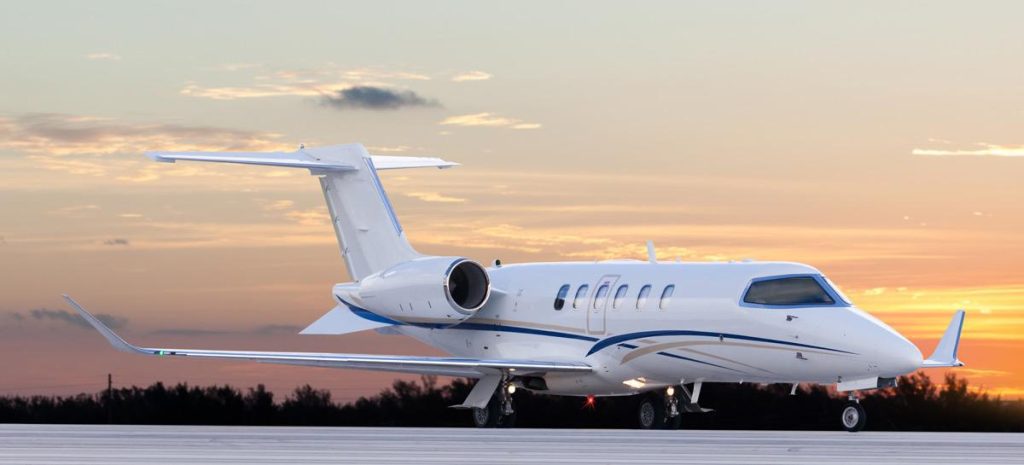
Private jets have long been a symbol of luxury, convenience, and exclusivity. They allow individuals to bypass the hassles of commercial air travel, offering unmatched comfort and privacy. However, as concerns about climate change continue to grow, private jets have come under increasing scrutiny for their environmental impact. Critics argue that private jets are among the most inefficient and polluting forms of travel, contributing significantly to the climate crisis. On the other hand, proponents of private aviation argue that these aircraft make up a small fraction of global emissions and that their environmental footprint is overstated. This ongoing debate raises important questions about the role of private jets in climate change, their contribution to global warming, and what can be done to mitigate their environmental impact.
In this article, we will explore the arguments surrounding private jets and their potential role in climate change. We will examine the environmental consequences of private aviation, compare private jets to other forms of transportation, and consider the broader implications of luxury travel in the context of the global climate crisis. By the end of this article, you will have a clearer understanding of whether private jets are a major contributor to climate change or if they are simply a convenient scapegoat in the fight against global warming.
The Environmental Impact of Private Jets
One of the central issues in the debate over private jets and climate change is their environmental impact, particularly in terms of carbon emissions. The aviation industry, as a whole, is responsible for around 2-3% of global carbon dioxide (CO2) emissions. However, private jets are a disproportionately large contributor to these emissions. Due to their small size, lower passenger capacity, and less efficient fuel consumption, private jets tend to emit more CO2 per passenger mile than commercial airliners. On average, private jets emit between 2.5 and 3 times more CO2 per passenger than a commercial flight on the same route.
For example, a private jet flying from New York to Los Angeles can emit up to 10 times more CO2 than a commercial flight on the same route. While commercial airlines have made significant strides in improving fuel efficiency and reducing emissions, private jets remain relatively inefficient. This is largely due to their smaller size and design, which prioritize luxury and speed over fuel economy. Private jets also tend to fly shorter distances than commercial airlines, which further increases their environmental impact since planes burn more fuel during takeoff and landing than while cruising at higher altitudes.
In addition to carbon emissions, private jets also produce other greenhouse gases, such as nitrogen oxides (NOx) and water vapor, which contribute to global warming. These pollutants can have a more significant warming effect when released at high altitudes, where private jets typically operate. The phenomenon, known as aviation-induced warming, occurs because certain emissions, such as nitrogen oxides, can contribute to the formation of ozone, a potent greenhouse gas. Water vapor released by jet engines can form contrails, which trap heat in the atmosphere and further exacerbate climate change.
The Disproportionate Environmental Impact of Private Jets
While the aviation industry as a whole is a major contributor to global CO2 emissions, private jets represent a disproportionately large share of these emissions. According to some estimates, private jets account for about 10-15% of the aviation industry’s total emissions, despite representing only a small fraction of global air travel. This disparity is due to the relatively high carbon footprint of private jets compared to commercial flights.
The fact that private jets are primarily used by wealthy individuals, corporations, and celebrities has also led to criticism. While billions of people around the world rely on commercial air travel, the small percentage of people who use private jets are responsible for a significant portion of global emissions. This has led to questions about the fairness of private jet use and its role in the climate crisis. Critics argue that the luxury and exclusivity of private aviation should not come at the expense of the planet, especially when the world’s most vulnerable populations are already bearing the brunt of climate change.
The Argument for Private Jets: Small Scale, Small Impact?
Despite the environmental concerns surrounding private jets, proponents of private aviation argue that these aircraft make up only a small percentage of global emissions and that their overall contribution to climate change is relatively minimal. According to this argument, while private jets are inefficient and emit more CO2 per passenger mile than commercial planes, they represent a fraction of the total emissions from the aviation sector, let alone global emissions as a whole.
For example, while private jets are responsible for a large share of emissions within the aviation industry, they account for only around 0.04% of total global CO2 emissions. In contrast, other forms of transportation, such as automobiles, trucks, and ships, contribute far more to global emissions. Advocates of private jet travel argue that focusing on this small segment of the aviation industry is a distraction from the much larger issues of industrial emissions, deforestation, and other major contributors to climate change.
Supporters also point out that private jets often provide efficient and time-saving travel options for business executives, government officials, and other individuals who need to travel frequently for work or humanitarian efforts. Private aviation can be more efficient in certain circumstances, such as when flying to remote locations or avoiding the time and hassle of commercial air travel. Furthermore, private jets are often used for shorter flights, which tend to burn more fuel but can also serve to reduce the overall environmental impact of longer trips by allowing travelers to avoid connecting flights or long layovers.
The Role of Private Jets in Climate Change Policy
As the global debate over climate change intensifies, the role of private jets in contributing to global warming has come under greater scrutiny. Some environmental activists have called for stricter regulations on private jet travel, including higher taxes, carbon offsetting requirements, or even bans on private jets in certain regions. These proposals reflect growing concerns about the environmental impact of luxury travel and the need for more sustainable practices in the aviation industry.
One approach to addressing the environmental impact of private jets is the use of carbon offset programs. Carbon offsets allow individuals or companies to invest in projects that reduce or capture carbon emissions, such as reforestation initiatives or renewable energy projects. Many private jet companies now offer carbon offset programs as part of their service, allowing travelers to neutralize the carbon emissions from their flights. While carbon offsets are not a perfect solution, they can help mitigate the environmental impact of private jet travel and encourage more sustainable practices within the industry.
Another potential solution is the development and use of sustainable aviation fuels (SAFs). SAFs are biofuels made from renewable resources, such as algae, plant oils, or waste products, and they can significantly reduce the carbon emissions associated with air travel. SAFs are already being used by some commercial airlines, and there is growing interest in using them for private jets as well. The use of SAFs could help reduce the environmental impact of private aviation and make it more sustainable in the future.
Are There Alternatives to Private Jet Travel?
In light of the environmental concerns surrounding private jets, many people are questioning whether there are alternative forms of travel that are more sustainable. While private jet travel is often seen as a symbol of luxury and exclusivity, there are other ways to travel that have a lower environmental impact. One alternative is train travel, which is often much more energy-efficient than flying, especially for shorter distances. In some regions, such as Europe, high-speed trains offer a comfortable and environmentally friendly alternative to air travel.
Another option is the use of electric aircraft, which are still in the early stages of development but could eventually provide a more sustainable form of private travel. Electric planes have the potential to significantly reduce the carbon emissions associated with air travel, as they would be powered by renewable energy sources instead of fossil fuels. While electric aircraft are not yet widely available, they represent an exciting opportunity for the future of private aviation.
Carpooling or sharing private jets through membership programs or charter services is another way to reduce the environmental impact of private jet travel. By allowing multiple passengers to share a flight, these services can reduce the number of empty seats on a plane, making private jet travel more efficient and less wasteful.
Conclusion: The Future of Private Jets and Climate Change
The debate over private jets and their contribution to climate change is complex and multifaceted. On one hand, private jets are undeniably a significant source of carbon emissions, and their environmental impact is disproportionately large compared to their small share of global air travel. On the other hand, private aviation represents a small fraction of total global emissions, and the focus on private jets may detract from larger, more systemic issues that contribute to climate change.
Ultimately, the future of private jet travel in the context of climate change will depend on the ability of the aviation industry to innovate and adopt more sustainable practices. The development of sustainable aviation fuels, electric aircraft, and more efficient jet designs offers hope for a future where private aviation can coexist with environmental sustainability. In the meantime, it is essential for individuals, corporations, and governments to consider the environmental impact of private jet travel and take steps to mitigate that impact, whether through carbon offset programs, more efficient travel options, or by embracing alternative modes of transportation.
As the climate crisis continues to unfold, the question remains: how can we balance the desire for luxury and convenience with the urgent need to protect the planet? The answer may lie in a combination of technological innovation, responsible travel choices, and a greater commitment to sustainability across all sectors of society.


