


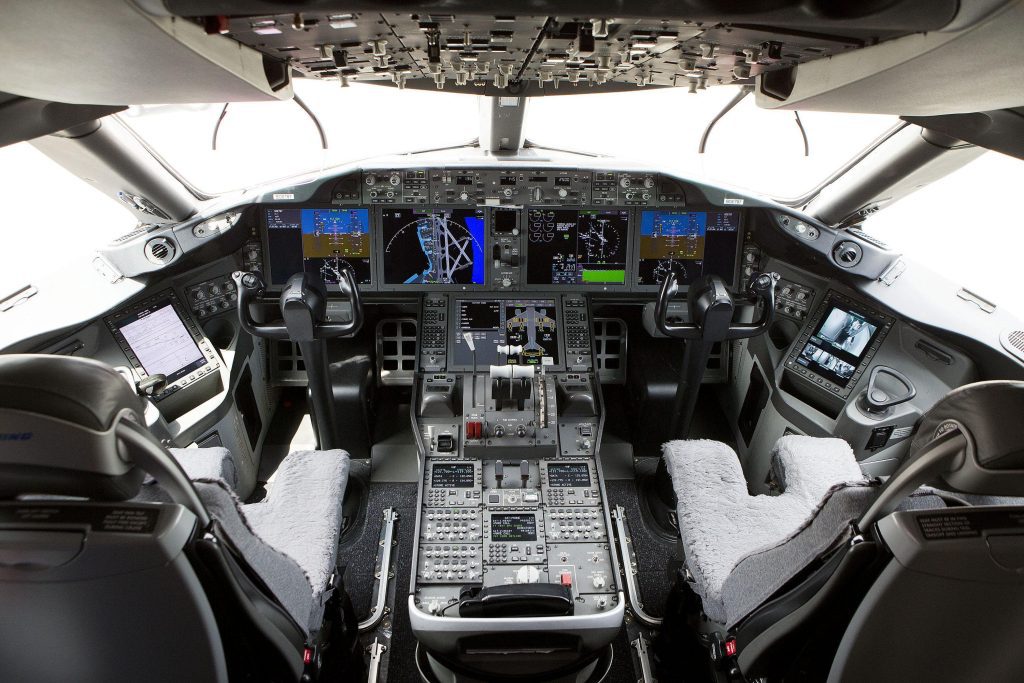
Purchasing a private jet is an aspiration for many, symbolizing freedom, luxury, and convenience. But the journey to ownership involves more than just having the financial means, it requires a strategic, thoughtful approach to ensure you make the right decisions at every step. With the right knowledge and creative strategies, buying a private jet can be an empowering and rewarding experience.
This guide covers everything you need to know about owning a private jet, from selecting the right model to finalizing the deal. By breaking down the complexities and offering modern solutions, we aim to help you make an informed decision and own your jet with confidence.
Why Buy a Private Jet?
Private jet ownership is no longer just a symbol of opulence but a practical necessity for many high-net-worth individuals, executives, and entrepreneurs. The reasons for buying a jet range from enhancing personal convenience to providing business flexibility.
- Increased Efficiency
One of the most compelling reasons for purchasing a private jet is the ability to control your travel schedule. Private jets eliminate the constraints of commercial flights, allowing you to avoid long security lines, unpredictable delays, and rigid timetables. This is particularly valuable for business leaders who need to attend multiple meetings or events in a short period, often across different cities or countries. - Personalized Comfort
Modern private jets are designed with luxury and comfort in mind. The interiors are customizable, and you have full control over your environment, from the seating arrangements to the cabin entertainment system. Whether you’re using your jet for business or leisure, the ability to enjoy total privacy and comfort is a significant advantage. - Global Accessibility
Private jets allow you to access airports that are not served by commercial airlines. Many private airports and smaller regional airports provide more direct routes and the ability to land in areas that would otherwise require multiple layovers on a commercial flight. This feature is invaluable for individuals who frequently travel to remote or hard-to-reach destinations. - Security and Privacy
In today’s world, security and privacy are critical considerations. Traveling on a private jet ensures that your travel plans, routes, and identity remain confidential. Additionally, you can rest easy knowing that you’re in control of who flies with you, which enhances your overall safety. - Long-Term Value
When purchased thoughtfully, a private jet can offer long-term value. Jets have the potential to retain their value, especially if they’re maintained well and kept in good condition. Furthermore, depending on how much you fly, the savings on commercial flights and the potential tax benefits can offset the cost of ownership.
Understanding the Market for Private Jets
The market for private jets is diverse and dynamic, with a variety of options available for every type of buyer. Whether you’re purchasing a brand-new jet or a pre-owned aircraft, understanding the market landscape is essential.
- New vs. Pre-Owned Jets
The decision between purchasing a new or pre-owned jet depends on your budget, preferences, and intended use. New jets offer the latest technology, customization options, and factory warranties, but they come with a premium price tag. Pre-owned jets, on the other hand, can provide significant savings without sacrificing quality. With proper research and inspections, you can find a used jet in excellent condition. - Jet Size and Type
Private jets come in various sizes, from light jets that can seat 4-6 passengers to heavy jets capable of carrying 15 or more passengers over long distances. Your choice will depend on your typical flight duration, passenger requirements, and available budget. Long-range jets are ideal for frequent international travelers, while smaller regional jets are perfect for short trips or domestic flights. - The Role of Jet Brokers
Jet brokers are invaluable allies in the jet-buying process. They act as intermediaries between buyers and sellers, leveraging their expertise to find the perfect aircraft for your needs. Brokers are well-versed in market trends, pricing, and aircraft availability, and can often find exclusive off-market deals. They also help with negotiations, ensuring you secure a fair price. - Manufacturers and Brands
Different manufacturers specialize in different types of jets. Popular brands like Gulfstream, Bombardier, and Dassault offer a wide range of jets, from ultra-luxurious to more efficient, cost-effective models. Researching various brands and understanding their offerings will allow you to make a more informed decision.
Steps to Buying Your Private Jet
The process of purchasing a private jet can be intricate, but with a well-structured approach, you can simplify the journey. Below are the key steps to buying a private jet.
Step 1: Determine Your Requirements
The first step in the buying process is defining your needs. Consider the following factors:
- Passenger Capacity: How many people will you typically fly with? Will you need room for just a few passengers or a larger group?
- Range: How far do you need to fly? Are you planning on long-haul international flights, or will you primarily travel within your region?
- Usage Frequency: Will you use the jet regularly, or do you anticipate occasional trips? This can impact your decision on full ownership versus fractional ownership.
- Budget: Determine your budget for the purchase, and consider additional expenses such as maintenance, fuel, staffing, and storage.
Step 2: Research Available Aircraft
Once you’ve established your requirements, begin researching available aircraft that fit your specifications. This is where working with a knowledgeable jet broker can prove beneficial. Jet brokers have access to a vast inventory of jets, including both new and pre-owned models. Consider using online resources such as AvBuyer, Controller, and Global Jet Index to browse listings and compare prices.
Step 3: Inspect the Jet
Regardless of whether you’re buying a new or used jet, conducting a thorough inspection is critical. For new jets, the inspection will focus on verifying that all features meet your specifications and ensuring that the manufacturer’s warranties are in place. If you’re purchasing a pre-owned jet, a comprehensive inspection is vital to uncover any hidden issues. Hire an experienced aviation mechanic or third-party inspector to evaluate the aircraft’s condition, engines, avionics, and other components.
Step 4: Evaluate Ownership Models
While full ownership is the most straightforward option, it’s important to explore alternative models such as fractional ownership or jet card programs. Fractional ownership allows you to buy a share of an aircraft, which can reduce your upfront costs and share the maintenance and operating expenses. Jet card programs allow you to pre-purchase hours on specific aircraft, providing flexibility without the long-term commitment.
Step 5: Negotiate the Deal
Once you’ve selected the jet that fits your needs, it’s time to negotiate. Working with an experienced broker or legal advisor can help you get the best deal, especially when it comes to complex issues like warranties, delivery schedules, and maintenance agreements. Don’t hesitate to negotiate terms such as price, extras (e.g., maintenance packages), and financing options.
Step 6: Finalize the Purchase and Arrange Delivery
After finalizing the deal, you’ll need to complete the necessary paperwork and arrange for the delivery of the jet. If you’re buying a new jet, the manufacturer will provide a delivery timeline, including the final inspection and any customization requests. For pre-owned jets, ensure that the title transfer is completed and that all legal requirements are met before taking ownership.
Step 7: Take Ownership and Enjoy Your Jet
Once the deal is closed and the jet is delivered, the fun part begins: flying in your own private jet. Ensure that you’ve made arrangements for crew staffing, maintenance, and hangar space to keep your jet in top condition. With your jet in hand, you’ll enjoy the freedom, luxury, and efficiency that come with owning your own aircraft.
Innovative Tips for Private Jet Ownership
As the private jet industry evolves, so too do the strategies for ownership. Here are a few innovative tips to ensure that your private jet remains a valuable asset:
- Consider Offsetting Emissions
Environmental consciousness is a growing trend in aviation. Many private jet owners are now looking at ways to offset the carbon emissions of their flights by investing in carbon credits or flying more fuel-efficient aircraft. - Maximize Tax Benefits
Depending on your location and how often you use the jet for business purposes, you may be eligible for certain tax deductions. Consult with an aviation tax specialist to understand the potential benefits and structure your ownership for maximum advantage. - Leverage the Jet for Business
If you’re a business owner, you may be able to leverage the jet for business purposes, which can open up additional tax advantages. Commercializing your jet by offering it for private charters during unused periods is another way to offset operating costs. - Regularly Evaluate Market Trends
The private jet market can fluctuate, with prices and demand changing based on the global economy. Regularly reviewing market trends can help you assess whether upgrading to a newer model or selling your current jet is a good move.
Conclusion: Creative Steps to Private Jet Ownership
Buying a private jet is an exciting and rewarding experience, but it requires careful planning, research, and negotiation to ensure that you make the right decisions. From defining your needs to choosing the right aircraft, inspecting the jet, and finalizing the deal, each step is crucial to securing the best value for your investment.
By approaching private jet ownership with creativity and strategic foresight, you can enjoy the freedom and convenience that come with having your own aircraft while making the most of your investment. With the right tools and knowledge, private jet ownership can be a fulfilling and long-term asset.


