


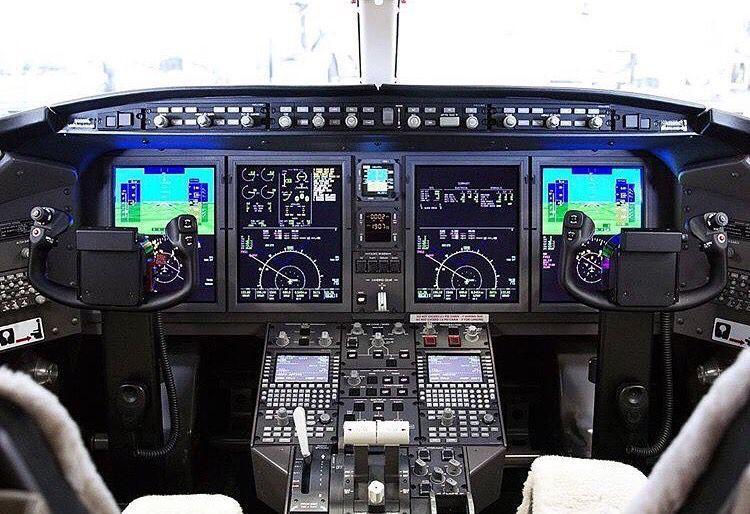
When it comes to aviation, the roles of commercial pilots and private jet pilots may seem similar at first glance, as both are responsible for flying aircraft. However, the two professions diverge significantly in terms of training, regulations, flight operations, and personalized services. While commercial pilots fly larger, scheduled aircraft for commercial airlines, private jet pilots operate smaller, private planes that cater to a more exclusive clientele.
This article will delve into the essential differences between commercial and private jet pilots, highlighting the key distinctions that define each role. Whether you’re considering a career in aviation or just curious about the nuances of the profession, understanding the unique responsibilities and qualifications of these pilots is crucial.
1. Understanding the Role of Commercial Pilots
Commercial pilots fly large aircraft for airlines that carry hundreds of passengers on scheduled flights. These pilots play an essential role in the global transportation system, ensuring that passengers travel safely and efficiently to their destinations. To operate an aircraft of this size and complexity, commercial pilots are required to undergo extensive training and adhere to strict regulations set by aviation authorities.
Training and Qualifications for Commercial Pilots
Becoming a commercial pilot requires rigorous training, which includes the following steps:
- Private Pilot License (PPL): Before becoming a commercial pilot, an individual must first obtain a private pilot license (PPL), which provides the foundational skills needed to fly an aircraft. This stage involves both theoretical knowledge and practical flight experience.
- Commercial Pilot License (CPL): After obtaining a PPL, the next step is to earn a commercial pilot license (CPL). This advanced qualification allows pilots to be compensated for their work and involves more in-depth training in subjects like flight planning, navigation, and aviation safety.
- Airline Transport Pilot License (ATPL): To fly for an airline, a commercial pilot must hold an Airline Transport Pilot License (ATPL). This is the highest level of pilot certification and requires years of experience and training. Pilots must accumulate a significant number of flight hours (usually around 1,500) and pass written exams, flight tests, and medical evaluations.
- Specialized Training for Commercial Operations: In addition to the basic licenses, commercial pilots must undergo specific training related to the type of aircraft they will fly and the airline they will work for. This includes simulator training, emergency procedures, and understanding airline-specific operating protocols.
Responsibilities of Commercial Pilots
The responsibilities of commercial pilots include:
- Flight Planning: Commercial pilots must carefully plan each flight, considering factors like weather conditions, air traffic, and fuel requirements. They work with flight operations teams to ensure that flights are scheduled and routed efficiently.
- Passenger Safety: Commercial pilots are responsible for ensuring the safety of hundreds of passengers, which includes conducting pre-flight safety briefings and performing safety checks on the aircraft.
- Coordinating with Air Traffic Control: Commercial pilots must communicate constantly with air traffic controllers to ensure safe and efficient routing during the flight. They must also follow strict regulations about altitude, speed, and flight paths.
- Operating in a Team: Commercial pilots work in teams, often with a first officer (co-pilot), and must follow a set operating procedure (SOP). They also rely heavily on automated systems during the flight but must be prepared to take manual control if necessary.
- Time and Scheduling Constraints: Commercial pilots operate on fixed schedules, with flights departing and arriving at specific times. Their shifts can vary, but they generally work within the constraints of airline schedules.
2. Understanding the Role of Private Jet Pilots
Private jet pilots, on the other hand, fly smaller aircraft that are primarily used for private, business, or luxury travel. These pilots have a significantly different role from their commercial counterparts, as they cater to a different type of clientele and fly in a less regulated environment.
Training and Qualifications for Private Jet Pilots
While the training required to become a private jet pilot is similar in some respects to that of a commercial pilot, there are key differences in terms of certifications and the types of flights they perform:
- Private Pilot License (PPL): Like commercial pilots, private jet pilots begin their careers by obtaining a private pilot license (PPL). This foundational qualification allows them to operate smaller aircraft and build flight hours.
- Commercial Pilot License (CPL): Most private jet pilots also hold a commercial pilot license (CPL), which permits them to be paid for their services. However, some private jet pilots may fly for private individuals or businesses without the need for a CPL.
- Type Ratings: For private jet pilots, a crucial aspect of their training is obtaining type ratings for specific aircraft. Type ratings are additional certifications that pilots must earn to fly particular aircraft models. Since private jets come in various shapes, sizes, and capabilities, each aircraft may require specialized training.
- Additional Training for High-End Aircraft: Private jet pilots who fly luxury or business jets may need specialized training in advanced avionics systems, luxury amenities, and customized flight services that cater to high-net-worth individuals.
Responsibilities of Private Jet Pilots
The role of a private jet pilot is distinct from that of a commercial pilot in several ways. Some key responsibilities include:
- Personalized Service: Private jet pilots often have direct contact with their passengers and are expected to provide a high level of personalized service. They may assist with specific requests from passengers, such as adjusting cabin conditions, arranging for in-flight meals, or ensuring privacy.
- Flexible Flight Planning: Unlike commercial pilots, private jet pilots do not operate on a fixed schedule. They are often tasked with adjusting flight plans on the fly to accommodate the needs of their passengers. This flexibility includes choosing flight routes that optimize convenience or privacy.
- Fewer Crew Members: Private jet flights are typically staffed by fewer crew members compared to commercial flights. Often, a captain and a first officer are all that is needed, and in some cases, a flight attendant may also be present. The pilot may need to handle various duties, such as assisting passengers with their needs or managing the aircraft’s cabin conditions.
- Communication with Smaller Airfields: Private jet pilots may not always fly into large commercial airports. They often operate from smaller, private airports or fixed-base operators (FBOs), which requires a different set of skills and coordination.
3. Key Differences Between Commercial and Private Jet Pilots
The following are some of the major differences between commercial pilots and private jet pilots:
1. Type of Aircraft
Commercial pilots typically operate large commercial airliners that can carry hundreds of passengers, while private jet pilots fly smaller aircraft, such as business jets or light jets, which typically carry fewer passengers.
2. Flight Scheduling and Flexibility
Commercial pilots operate on fixed schedules, flying from airport to airport with little room for flexibility. Private jet pilots, however, have more flexibility in scheduling, with flights often arranged on short notice and with changing itineraries.
3. Crew Requirements
Commercial airline crews typically consist of a pilot, co-pilot, and a flight attendant (for larger aircraft). Private jet crews, on the other hand, may consist of just one or two pilots, depending on the size of the aircraft, and may not always have a flight attendant.
4. Clientele and Service Expectations
The clientele for commercial pilots is the general public, and pilots are tasked with maintaining a standardized level of service. Private jet pilots cater to high-net-worth individuals and corporate clients, who often expect a more personalized and luxurious experience during their flight.
5. Training and Certification
Both commercial and private jet pilots require extensive training, but private jet pilots may need to undergo additional training specific to certain jet types or luxury aircraft. Commercial pilots, on the other hand, are trained to operate larger aircraft with complex automation systems and to handle high volumes of passengers.
4. Conclusion
Both commercial pilots and private jet pilots play essential roles in the aviation industry, yet their responsibilities, training, and operational environments differ significantly. Commercial pilots are tasked with flying large aircraft on scheduled routes, prioritizing efficiency and safety for large groups of passengers. Private jet pilots, in contrast, provide a more personalized experience, offering luxury, flexibility, and customized services to high-profile clients.
Understanding these differences is crucial for anyone considering a career in aviation or for those interested in the complex world of aviation operations. Whether it’s the strict protocols and regulations of commercial aviation or the customized, flexible nature of private jet flights, both types of pilots play an integral part in ensuring safe and efficient air travel across the globe.


