


When it comes to private aviation, selecting the right aircraft is crucial for ensuring a comfortable, efficient, and cost-effective travel experience. Two of the most popular types of private aircraft are turboprop and jet planes. While both offer luxury and convenience, each has distinct characteristics that make them better suited to different types of travel. Understanding the key differences between turboprop and jet aircraft is essential for making an informed decision about which type of private aircraft best meets your needs.
This article will explore the differences between turboprop and jet aircraft for private use, examining their performance, cost, efficiency, comfort, and more. Whether you’re a first-time private jet buyer or simply considering different types of private aircraft, this comparison will help you make an informed decision.
What is a Turboprop Aircraft?
A turboprop aircraft is a type of aircraft that uses a turbine engine to drive a propeller. These aircraft are typically smaller than jets and are well-known for their ability to operate from shorter runways, making them ideal for access to remote or regional airports. Turboprops are commonly used for short-haul flights, regional travel, and connecting smaller airports that might not have the infrastructure for larger jets.
Key Features of Turboprop Aircraft:
- Powered by a turbine engine that turns a propeller.
- Typically smaller and lighter than jet aircraft.
- Lower cruising speed compared to jets but more fuel-efficient for short distances.
- Ideal for short to medium-range flights, often under 1,000 miles.
- Can land and take off from smaller airports with shorter runways.
What is a Jet Aircraft?
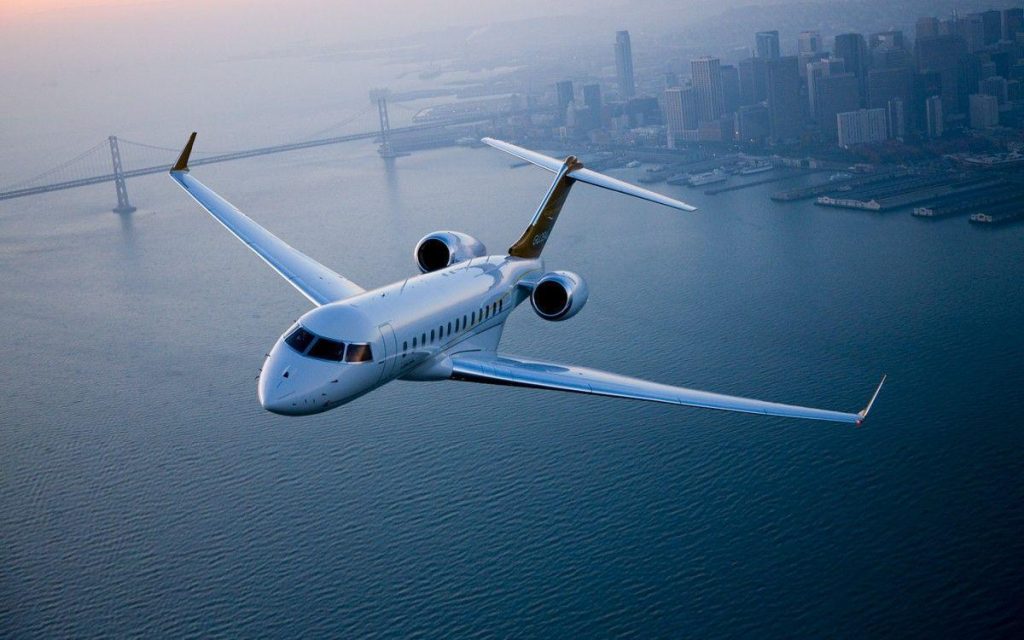
A jet aircraft, on the other hand, is powered by jet engines that propel the aircraft forward by expelling high-speed air through turbines. Jet aircraft are commonly used for long-haul flights and have a reputation for high-speed performance, luxury, and comfort. Jets tend to have larger cabins and can cover longer distances at much higher speeds compared to turboprops. While jets are typically used for longer flights, they are also favored for business trips that require the ability to cover significant distances quickly.
Key Features of Jet Aircraft:
- Powered by jet engines that expel high-speed air to propel the aircraft.
- Larger and faster than turboprops, with more powerful engines.
- Cruising speed can exceed Mach 0.85, much faster than turboprop aircraft.
- Best suited for long-distance travel, often over 1,000 miles.
- Typically require longer runways and more extensive airport infrastructure.
Key Differences Between Turboprop and Jet Aircraft
Now that we have a general understanding of both turboprop and jet aircraft, it’s time to compare them across several important categories to help you understand their strengths and weaknesses.
1. Performance and Speed
One of the most significant differences between turboprop and jet aircraft is their performance and speed.
Turboprop Aircraft: Turboprops are generally slower than jet aircraft. They typically cruise at speeds of around 250 to 350 knots, depending on the model and conditions. This makes turboprops ideal for shorter trips, where high speed is not as essential. They are more efficient for regional flights and can operate on shorter runways, which is a big advantage when flying into smaller airports.
Jet Aircraft: Jets, in contrast, are designed for high-speed travel. They can cruise at speeds of over 500 knots, with some models like the Gulfstream G650ER or Bombardier Global 7500 reaching speeds of up to 600 knots. The faster cruising speed makes jets the preferred choice for long-distance travel where time is of the essence.
2. Fuel Efficiency and Operating Costs
When considering turboprop vs. jet aircraft for private use, fuel efficiency and operating costs are two key factors to consider.
Turboprop Aircraft: Turboprops are generally more fuel-efficient than jets, especially on shorter flights. This is because turboprop engines are better suited for lower speeds and can generate more power at lower fuel consumption rates. As a result, turboprops tend to have lower operating costs, making them a more cost-effective option for short regional trips.
Jet Aircraft: While jets are faster and more powerful, they are generally less fuel-efficient than turboprops. The larger engines and higher cruising speeds mean that jets consume more fuel, which can increase operating costs significantly. However, for longer flights, the cost-per-mile may be comparable or even lower than that of a turboprop, as jets are designed to travel faster and cover more distance in less time.
3. Range and Flight Duration
The range of an aircraft is crucial when considering its suitability for long-distance or international travel.
Turboprop Aircraft: Most turboprops have a range of 1,000 to 1,500 miles, although this can vary depending on the specific model. This makes turboprops ideal for short to medium-range trips, such as flying between cities within the same region or country. For example, a turboprop like the King Air 350 is perfect for regional travel and can efficiently fly between small airports with shorter runways.
Jet Aircraft: Jet aircraft have a significantly longer range than turboprops. Jets like the Bombardier Global 7500 can fly up to 7,700 miles without stopping, while the Gulfstream G650ER has a range of 7,500 miles. This makes jets the clear choice for long-haul flights, intercontinental travel, and trips requiring rapid arrival at distant destinations.
4. Comfort and Cabin Size
Comfort and cabin size are important factors when deciding between a turboprop and a jet, especially for long flights.
Turboprop Aircraft: Turboprops tend to have smaller cabins compared to jets. The cabin layout is often more compact, with fewer amenities and less space for passengers. However, many modern turboprops feature comfortable interiors with plush seating, adequate legroom, and entertainment options. The trade-off is that passengers may feel less spacious compared to the more expansive cabins found in jets.
Jet Aircraft: Jets, especially larger models, offer significantly more comfort and space. Jets like the Gulfstream G700 or Bombardier Global 7500 are renowned for their luxurious interiors, with spacious cabins, customizable seating arrangements, and high-end amenities. Passengers can enjoy features like fully reclining seats, private suites, and even shower facilities on certain models. Jets are ideal for travelers who prioritize comfort and privacy on long flights.
5. Maintenance and Durability
The maintenance and durability of an aircraft are key considerations when choosing between turboprop and jet aircraft.
Turboprop Aircraft: Turboprop aircraft generally have fewer moving parts in their engines compared to jets, which can make them easier and less expensive to maintain. Their engines are also designed for durability and are less susceptible to wear and tear from the stresses of high-speed flight. Overall, turboprops tend to have lower maintenance costs and longer intervals between overhauls compared to jets.
Jet Aircraft: Jets, with their complex engines and high speeds, require more intensive maintenance. Jet engines are subject to more wear and tear, especially on long-haul flights. As a result, jets may incur higher maintenance costs, and their engines require more frequent inspections and repairs. However, with proper care, jets can remain reliable and operational for many years.
6. Airport Accessibility
One of the key advantages of turboprop aircraft is their ability to operate at smaller airports with shorter runways.
Turboprop Aircraft: Turboprops are ideal for accessing smaller airports, especially in remote or regional locations. Their ability to take off and land on runways as short as 2,000 feet allows passengers to reach destinations that are off the beaten path, without needing to use major commercial airports. This can be a huge advantage for travelers who need to reach remote areas or avoid busy hubs.
Jet Aircraft: Jets, due to their size and speed, generally require longer runways for takeoff and landing. The average jet requires at least 5,000 feet of runway, with larger jets needing even more. While this doesn’t eliminate the ability to reach smaller airports, it does mean that jet aircraft are more limited in terms of accessibility compared to turboprops.
Which Aircraft Is Right for You?
Ultimately, the choice between a turboprop and a jet aircraft depends on your specific travel needs and preferences. Here are some factors to consider:
- Turboprop Aircraft are ideal for short to medium-range trips, regional travel, and accessing smaller airports. They are more cost-effective, fuel-efficient, and can operate from shorter runways. However, they are slower and offer less cabin space and luxury compared to jets.
- Jet Aircraft are better suited for long-distance travel, intercontinental flights, and passengers who prioritize speed, luxury, and comfort. While they come with higher operating costs, they offer superior performance, larger cabins, and a more refined flying experience.
Conclusion
The decision between turboprop and jet aircraft ultimately comes down to your unique travel requirements. Both types of aircraft offer distinct advantages, and understanding their differences in terms of performance, cost, comfort, and accessibility can help you choose the best option for your needs. Whether you are traveling for business or leisure, both turboprops and jets can provide a superior flying experience that meets the highest standards of luxury and efficiency.


