


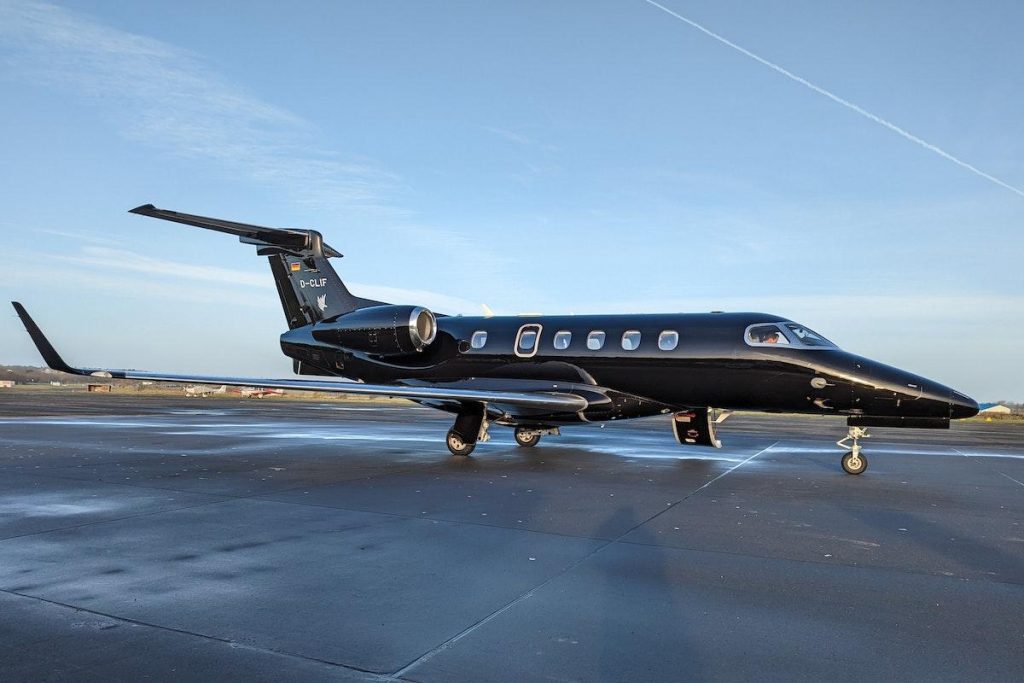
Private jet interiors have come a long way since their inception, evolving from practical yet modest designs to extraordinary showcases of innovation and luxury. As the demand for bespoke aviation experiences grows, the focus has shifted to creating interiors that reflect individuality, enhance comfort, and integrate advanced technology. From incorporating sustainable materials to introducing AI-driven amenities, the future of private jet interiors promises to redefine luxury travel. This article takes an in-depth look at the history, current trends, and future possibilities shaping private jet interiors.
A Brief History of Private Jet Interiors
The origins of private jet travel can be traced back to the mid-20th century when business executives and affluent individuals sought more efficient and comfortable ways to travel. Early private jets, like the Learjet 23 in the 1960s, offered basic interiors with functional layouts prioritizing utility over luxury.
As the market grew, so did expectations. The 1970s and 1980s saw the introduction of larger cabins and more elaborate furnishings, including leather seats and wood paneling. The Gulfstream series and Boeing Business Jets further expanded the possibilities by offering spacious interiors that could be customized to meet individual preferences.
Modern Trends in Private Jet Interiors
The private jet industry has undergone significant transformation in recent decades, driven by technological advancements and changing customer demands. Today’s private jet interiors are masterpieces of design, blending comfort, functionality, and cutting-edge technology.
- Personalization and Customization: Modern private jets offer a very uniqueed levels of customization, allowing clients to select everything from the layout to the materials used. Interiors often feature bespoke designs that reflect the owner’s lifestyle and tastes.
- Advanced Materials: Lightweight yet durable materials such as carbon fiber, composite fabrics, and engineered wood are used to enhance efficiency and aesthetics.
- Smart Cabin Technology: Touchscreen controls, high-speed Wi-Fi, and voice-activated systems are now standard features, providing passengers with seamless connectivity and control over their environment.
- Sustainability: With growing environmental concerns, manufacturers are incorporating sustainable materials, energy-efficient systems, and eco-friendly practices into interior designs.
- Health and Wellness: Features like advanced air filtration systems, circadian lighting, and ergonomic seating cater to passenger well-being during flights.
Top Examples of Modern Private Jet Interiors
The private aviation industry has several standout models that exemplify modern design and innovation:
- Gulfstream G700
The Gulfstream G700 boasts one of the most spacious cabins in its class, featuring customizable layouts, panoramic windows, and the industry’s lowest cabin altitude for enhanced comfort. - Bombardier Global 7500
This jet combines luxury and performance, offering a state-of-the-art entertainment suite, fully equipped kitchen, and private master suite with a full-size bed and shower. - Embraer Lineage 1000E
Known for its versatility, the Embraer Lineage 1000E offers five cabin zones, including an optional walk-in shower and dining area. - Dassault Falcon 10X
The Falcon 10X introduces a new level of innovation with its modular seating arrangements, advanced lighting systems, and expansive windows that enhance the sense of space. - Airbus ACJ320neo
This aircraft offers unmatched versatility, allowing owners to create unique spaces such as conference rooms, lounges, and even gym areas.
The Future of Private Jet Interiors
As private jet travel continues to evolve, designers and manufacturers are exploring new frontiers to enhance the passenger experience. Here’s what the future holds for private jet interiors:
- Hyper-Personalization
The future will bring even greater customization options, enabling passengers to create interiors that align with their personal tastes and specific travel needs. Advanced 3D modeling and VR tools will allow clients to visualize and adjust designs in real time. - Smart and Connected Cabins
The integration of IoT (Internet of Things) will revolutionize private jet interiors. Imagine cabins where climate, lighting, and entertainment systems automatically adapt to individual preferences or sync with wearable devices. - Sustainable Luxury
Sustainability will remain a central theme, with more jets featuring recycled and biodegradable materials, solar-powered systems, and advanced noise-reduction technologies. - Virtual and Augmented Reality
Future jets may incorporate AR and VR for immersive entertainment, virtual meetings, or even in-flight training sessions. - Biophilic Design Elements
To create a more calming atmosphere, designers will integrate biophilic elements such as living walls, natural materials, and layouts inspired by nature. - Flexible Layouts
The demand for multi-purpose spaces will lead to more flexible cabin designs, allowing for easy reconfiguration based on travel requirements, whether for business meetings, family vacations, or solo retreats.
Challenges in Designing Private Jet Interiors
While the possibilities are exciting, designing private jet interiors comes with its own set of challenges:
- Weight and Space Constraints
Designers must strike a balance between luxury and efficiency, ensuring that interiors are lightweight yet robust. - Compliance with Aviation Standards
Every material and component must meet strict safety and regulatory standards, which can limit design options. - Cost and Time
The level of customization and precision involved often results in high costs and extended production timelines.
Pioneers in Private Jet Interior Design
Several companies specialize in creating exceptional private jet interiors, pushing the boundaries of innovation and luxury:
- Winch Design
Renowned for their bespoke aviation interiors, Winch Design combines artistry with functionality, delivering unique designs customized to client preferences. - Greenpoint Technologies
This firm focuses on VIP aircraft interiors, offering creative solutions that transform jets into personalized flying sanctuaries. - Comlux
Comlux specializes in both the design and completion of private jet interiors, ensuring a seamless process from concept to delivery.
How to Choose the Right Design for Your Private Jet
When selecting an interior design for your private jet, consider the following factors:
- Purpose of Travel
Identify the primary purpose of your jet, whether it’s business, leisure, or both, and tailor the design accordingly. - Budget
Set a realistic budget for your project, keeping in mind that bespoke designs often come with a premium price tag. - Future-Proofing
Incorporate adaptable elements that can accommodate future technological advancements and evolving travel needs. - Collaborate with Experts
Work with experienced designers and manufacturers who understand the nuances of private aviation interiors.
The Impact of Private Jet Interiors on Travel Experience
Well-designed interiors enhance every aspect of the travel experience, from comfort and productivity to entertainment and relaxation. They provide a sanctuary in the skies, ensuring that passengers arrive at their destination refreshed and ready for their next endeavor.
Conclusion
The evolution of private jet interiors is a testament to human ingenuity and the desire for excellence. As technology and design continue to advance, private jet interiors will become even more luxurious, efficient, and sustainable. Whether you’re a frequent flyer or a first-time private jet traveler, the future of aviation promises to elevate your experience to a very uniqueed heights.


