


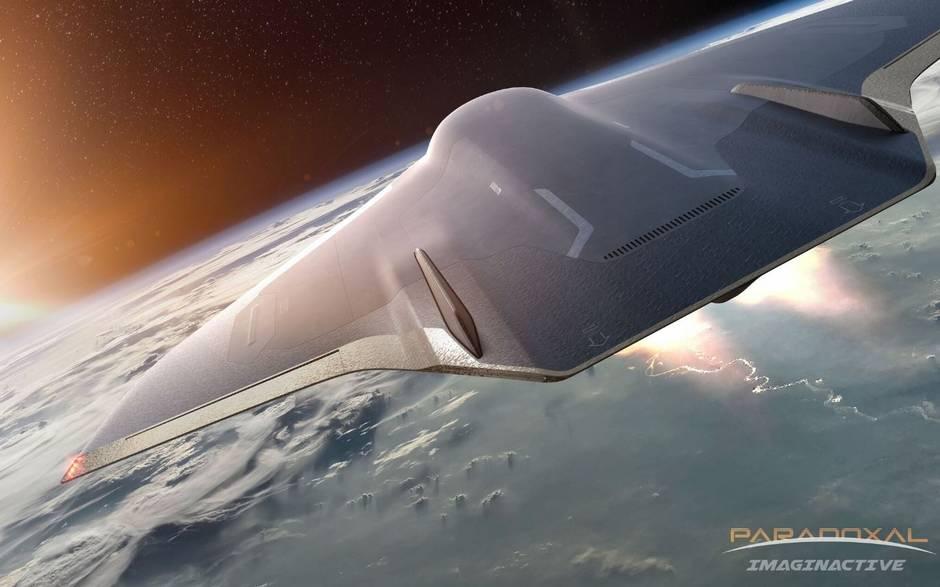
The aviation industry has long been a key contributor to global carbon emissions, leading to increasing pressure for more sustainable and eco-friendly travel solutions. In response, the concept of solar-powered private jets has emerged as a fascinating idea, drawing attention from aviation enthusiasts, environmentalists, and tech innovators alike. The idea of harnessing solar energy to power private jets has the potential to revolutionize the way we think about luxury travel, combining the sophistication of private aviation with the eco-consciousness of renewable energy. But is it merely a dream, or is the first solar-powered private jet a reality waiting to happen?
In this article, we will delve into the potential of solar-powered private jets, exploring the technological advancements that could make them possible, the challenges that need to be overcome, and how such aircraft might change the landscape of private aviation in the coming decades.
The Promise of Solar Power for Aviation
Solar power has been making waves in a variety of industries for years, thanks to its ability to provide clean, renewable energy with minimal environmental impact. Solar panels, which capture sunlight and convert it into electricity, are already used to power a wide range of devices, from small gadgets to large-scale solar farms. However, using solar power to propel an aircraft is a much more complex challenge. The energy demands of a private jet are significantly higher than those of any small device, requiring an enormous amount of power to keep the aircraft airborne.
Despite these challenges, the potential of solar energy for aviation is undeniable. Solar panels can be integrated into the wings, fuselage, and even the tail of an aircraft, providing a steady stream of electricity to power essential systems and potentially reduce fuel consumption. The concept of using solar power for flight is not entirely new; solar-powered aircraft have already completed remarkable flights, including the Solar Impulse 2, a plane that circumnavigated the globe entirely on solar energy in 2016. While these aircraft were not large enough to carry passengers, they demonstrated that solar energy could, in theory, be used for flight.
Current advancements in solar technology are also encouraging. Solar panels have become more efficient over the years, with newer models capable of capturing more sunlight and converting it into usable energy. Innovations in lightweight, flexible solar cells have also made it possible to integrate solar panels seamlessly into aircraft designs without adding significant weight. These developments are paving the way for solar-powered private jets, although there are still many hurdles to overcome before they can become a reality.
Challenges to Overcome
While the idea of a solar-powered private jet is promising, there are several challenges that need to be addressed before it can become a viable option for aviation. One of the primary hurdles is the issue of energy storage. Solar panels can only generate electricity when exposed to sunlight, meaning that solar-powered aircraft would need an efficient way to store energy for times when the sun is not shining, such as during the night or in cloudy conditions. Current battery technology is not yet capable of providing the necessary energy storage capacity to support long flights in solar-powered aircraft, and this remains one of the biggest obstacles to developing a practical solar-powered jet.
Another challenge is the limited surface area available for solar panels on an aircraft. In a traditional commercial airliner or private jet, the available space for solar panels is relatively small compared to the amount of energy needed to keep the aircraft in the air. To make solar power a feasible energy source, solar panels would need to cover a significant portion of the aircraft’s surface area, which would likely increase the weight of the plane and reduce its performance. Achieving the delicate balance between energy generation, weight, and efficiency will be crucial in the development of solar-powered private jets.
Additionally, the current efficiency of solar panels, while improved, still faces limitations when it comes to providing enough energy to power a jet for long distances. Even with the most advanced solar panels, a private jet would require a substantial number of panels to generate enough power for takeoff, cruising, and landing. It remains to be seen whether current solar technology can meet the energy demands of high-performance private jets without requiring excessive amounts of space or weight.
The Role of Hybrid Systems
One potential solution to these challenges is the use of hybrid systems. Rather than relying solely on solar power, a solar-powered private jet could combine solar energy with more traditional power sources, such as electric or hybrid-electric propulsion. This approach would allow solar panels to generate electricity to power the aircraft’s systems, while the primary propulsion system could rely on batteries or traditional jet fuel for takeoff and sustained flight.
Hybrid systems have already shown promise in the electric aviation sector, with several companies developing hybrid-electric aircraft that use a combination of electric motors and conventional engines to reduce fuel consumption and emissions. Applying this concept to solar-powered private jets could provide a more practical solution, allowing the aircraft to rely on solar energy when possible, but also switch to a more powerful energy source when needed. This could allow for longer flight times and greater range while still benefiting from the advantages of solar energy.
Solar-Powered Private Jet Concepts and Prototypes
Although no fully operational solar-powered private jets have been developed yet, several concepts and prototypes are pushing the boundaries of what’s possible. The idea of a solar-powered jet is attracting the attention of innovators in the aviation industry, and various companies are experimenting with ways to integrate solar energy into jet designs.
One of the most notable projects is the work being done by companies like AeroDelft, which has designed and tested small, solar-powered aircraft that use solar panels to generate electricity for flight. While these aircraft are much smaller than traditional private jets, they provide valuable insights into the feasibility of solar-powered flight. Companies like this are working on perfecting the technology, and their progress may eventually lead to the creation of larger, passenger-carrying solar-powered jets.
In addition, major private jet manufacturers are also exploring the potential of solar power as part of their long-term sustainability goals. Some companies have begun experimenting with integrating solar panels into their aircraft designs, even if only as a supplementary power source. These solar panels could help reduce the aircraft’s reliance on traditional jet fuel, making private aviation more eco-friendly and energy-efficient.
The Future of Solar-Powered Private Jets
The timeline for the arrival of a fully operational solar-powered private jet remains uncertain, but the concept is clearly gaining traction in the aviation industry. As solar technology continues to improve, and as the demand for sustainable travel options grows, it’s likely that solar-powered private jets will become a more viable and attractive option in the near future. While there are still challenges to overcome, such as energy storage, weight, and efficiency, the potential for solar energy to revolutionize the way we travel by air is undeniable.
In the coming decades, we may see a significant shift in the aviation industry as solar-powered aircraft take to the skies, offering a cleaner, more sustainable alternative to traditional private jets. As technological advancements continue to unfold, the dream of flying in a solar-powered private jet may soon become a reality.
For now, the dream of the first solar-powered private jet is still on the horizon. However, with the ongoing development of solar technologies and a growing commitment to sustainability in aviation, it’s clear that the future of air travel is looking brighter – and greener – than ever before.


